Print PDF version
Business Protection Bulletin
Construction Insurance Bulletin
Cyber Security Awareness
Employee Matters Bulletin
Employment Resources Bulletin
Life and Health Bulletin
Personal Protection Bulletin
Risk Management Bulletin
Workplace Safety Bulletin
Please contact me about a quick, no-obligation insurance review.
!
!
!
! !
!
!

Captcha AntiSpam Security

Visual verification
!
Please type in the code shown in the image.
CAPTCHAs are used to prevent automated software from performing actions which degrade the quality of service of a given system, whether due to abuse or resource expenditure.
Submit
CompleteMarkets
41965 Big Bear Blvd., Big Bear, CA, 92315
Construction Insurance Bulletin
909-547-6212 Website

Indoor Scaffolding Safety Tips

Fall’s the perfect time to schedule indoor home repairs or remodeling projects for your construction business. Some projects require scaffolding; here’s what you need to know about using scaffolding safely indoors. See Rigging and Scaffolding Service Insurance for coverage options.

Undergo Training

Learn how scaffolds are designed and how to operate them properly, including how to get on and off the scaffolding, prevent falls and electrocutions, and handle scaffolding emergencies.

Participate in retraining when you change scaffolding types or when workplace conditions change.

Check Operator Licensure

Everyone who operates scaffolding should be licensed where required. Only allow licensed operators to use the scaffolding to improve worksite safety.

Secure the Platform

Attach the scaffolding to the building or brace it securely. Always use braces supplied by the manufacturer rather than substituting other parts.

Use Guardrails

Scaffolding that sits more than 10 feet off the ground must have guardrails on at least three sides. Guardrails supplement the fall protection gear you also wear.

Avoid Unsafe Height Boosters

Never use boxes, ladders, stilts, or other contraptions to add height to your scaffold. Instead, raise the platform to the desired height.

Inspect the Scaffolding

Before you use the scaffolding for the first time and at the beginning of every shift, inspect its structural integrity. Perform inspections throughout the day, too, to ensure the structure remains functional and safe.

Never use a scaffold that appears damaged, tampered with, or compromised in any way.

Understand Load Capacity

Each scaffolding setup supports a limited number of workers and a maximum equipment weight. Follow the manufacturer's guidelines to avoid overloading the scaffold and compromising safety.

Be Aware of Your Surroundings

Always know where co-workers are standing and the details of the project. Proper placement of the scaffold reduces strain and helps prevent injuries to others on site.

Wear Protection

Always wear protective gear. In addition to fall-prevention equipment, wear head protection and non-slip footwear.

Remain Organized

Because space on the scaffold is limited, take only essential tools with you. Pick up tools and remove trash during your shift to reduce trip hazards, and always empty the scaffold before you leave for the day.

Purchase Adequate Insurance

Contractor and liability insurance won’t prevent accidents, but the right coverage can help pay for medical treatment and to replace or repair tools after an incident. Review your policy and update coverage as needed, and see Scaffolding Risks Insurance and Scaffold Safety Plan resources for more information.

With these safety tips, you protect yourself as you work on home projects this fall. For additional information on managing your construction risks, talk to your agent.

Preparing For Home Remodel Inspections
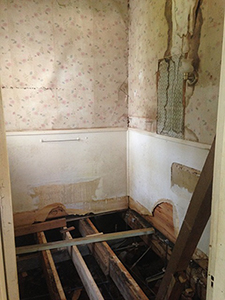
Understand What a Home Inspector Looks For

Home inspectors ensure that remodeling projects follow applicable local building codes and regulations. During an inspection, the inspector will check the home’s foundation, electrical wiring, plumbing, and other completed work.

When to Plan Home Inspections

Schedule remodeling work in phases and apply for required permits as you go. Scheduling inspections at each phase helps ensure the work meets local codes and keeps the project on track.

Include Inspections in Your Contract

Include inspection milestones in your contract to avoid costly rework and disputes. The contract should state when inspectors will check work and what happens if a phase fails inspection.

Consider tying payments to passed inspections so you’re paid for work that meets code before proceeding to the next phase.

What Happens During an Inspection

An inspector visits the worksite and evaluates progress against applicable codes. The inspector will issue a pass or fail; if work fails, you’ll get a list of items to correct before the next inspection.

After the Inspection

The inspector should file completed permits with the local building department. Obtain copies of approved inspection reports and give them to the homeowner for their records.

Hire Quality Inspectors

Use licensed inspectors who are familiar with remodeling projects. You can interview candidates or hire one based on recommendations from other contractors.

Home inspections verify that work was done properly; use these tips to run a safer, more reliable construction business.

Frequently Asked Questions

Do indoor scaffolds need guardrails?

Yes. Scaffolds above about 10 feet typically require guardrails on at least three sides in addition to personal fall protection.

How often should scaffolding be inspected?

Inspect scaffolding before first use, at the start of each shift, and periodically throughout the day or after any change to the setup.

Can workers use ladders or boxes to gain height on a scaffold?

No. Do not use ladders, boxes, or stilts on a scaffold; raise the platform to the proper height instead.

What insurance should contractors consider for scaffolding work?

Contractors should review general liability and contractor-specific coverage and consult an insurance professional to ensure adequate protection for tools and injuries.

CompleteMarkets 909-547-6212 Website
 

Different Types of Construction Bonds

Any construction project is multi-faceted and usually requires a variety of workers, equipment and skills. Construction bonds help to ensure the project is finished properly.

What are Construction Bonds?

Construction projects of a certain size, type and duration as well as most government and public works projects require construction bonds. Contractors purchase bonds from a surety company, and the cost of the bonds depends on the project's risk and the type and amount of bond required.

You may sometimes hear the term "Contract Bonds" used interchangeably with the term "construction bond." Contract Bonds guarantee the fulfillment of a project contract and are most common in construction.

Different Types of Construction Bonds

There are several different types of construction bonds.

Bid Bonds

Contractors typically submit bids on projects. Bid bonds ensure the contractors have the funds and financial credentials to accept and complete the job if their bid is accepted, and they can allow the developer to recoup certain costs if the highest bidder retracts the bid or declines the job.

Supply Bonds

Contractors rely on materials, equipment and other supplies when working on a construction project. Supply bonds reimburse the purchaser if the suppliers do not provide the items as listed on the purchase order.

Maintenance Bonds

Upon completion of a project, the owner expects the workmanship and materials to last for a specified time. Maintenance bonds cover any necessary repairs if there's a defect.

Performance Bonds

After a contractor is awarded the project, performance bonds ensure the contract is fulfilled properly. If it's not, the project developer can file a claim against the performance bond and use those funds to pay a second contractor to finish the job.

Performance bonds are usually purchased for federally funded projects that exceed $100,000. For related contract-specific surety information, see Contract (Construction) Bonds.

Payment Bonds

Unfortunately, a lead contractor may go into bankruptcy during a project and be unable to pay subcontractors, suppliers or other workers. Payment bonds cover those services and are often issued alongside performance bonds for federally funded projects.

Subdivision Bonds

Contractors who build or renovate structures within a subdivision will need subdivision bonds. They ensure the sidewalks, waste management systems, streets and other public structures are built according to specification or the bond will pay for the work to be finished properly.

Site Improvement Bonds

Renovation projects to existing properties or older structures can be challenging. Site improvement bonds help ensure these projects are completed properly.

Construction bonds are essential for many projects; to confirm you have the right coverage, discuss with your insurance agent.

Frequently Asked Questions

Who typically pays for a construction bond?

The contractor usually purchases construction bonds as a condition of the contract or bidding process.

When is a performance bond required?

Performance bonds are commonly required on public or federally funded projects and for contracts that present higher completion risk.

What is the difference between a payment bond and a performance bond?

A payment bond ensures subcontractors and suppliers are paid, while a performance bond guarantees the project will be completed according to the contract.

Can an owner make a claim against a maintenance bond?

Yes; maintenance bonds cover repairs for defects discovered during the specified maintenance period and allow owners to seek remedy through the bond.

CompleteMarkets 909-547-6212 Website
 

Preparing For Home Remodel Inspections

During and after a remodeling project, your professional construction work must be inspected to ensure it meets safety codes and building regulations. Prepare for these inspections when you follow several tips.

Understand What a Home Inspector Looks For

Home inspectors must ensure that remodeling projects follow applicable local building codes and regulations. During an inspection, the professional will check the home’s foundation, electrical wiring, plumbing, and other projects you complete.

When to Plan Home Inspections

Ideally, you’ll schedule remodeling projects in phases. Apply for applicable permits and schedule required inspections at each of these phases. This way, you know that all the work you complete is done right and meets local codes, and you can stay on track with your remodeling project.

Include Inspections in your Contract

Postpone an inspection of your remodel projects until the job is finished, and you could face a costly re-do that affects the project’s timeline. You could then be sued for breach of contract. For these reasons, include inspections in your contract.

The contract should include information about when the inspector will check your work and what you will do if the work doesn’t pass inspection. Even though your contractor liability insurance will cover a lawsuit, consider taking responsibility to fix any problems the inspector finds. You may also want to review Residential Remodeling Builders Risk Insurance to understand options for protecting on-site work and materials.

You can also include inspections in your payment schedule. In most cases, remodel projects are planned and paid for in phases. Therefore, you can agree that you will not be paid for a phase until the work you’ve done so far passes inspection.

What Happens During an Inspection

An inspector will visit the worksite and carefully check the remodeling progress you’ve made so far. The homeowner can choose to be present for the inspections if he or she wishes.

The inspector will give the work you’ve done a pass or fail grade. If you passed, you can continue working on the project. If you failed, you will receive a list of building codes you must meet. Complete the work, then schedule another inspection to have the work approved before you proceed.

After the Inspection

The inspector should file completed permits with your town’s building department. You’ll want to get copies of the permits and approved inspection reports. Give these documents to the homeowner for his or her records. Inspectors sometimes carry specialized coverage; see Occupancy Inspection Insurance for Inspection Professionals for more information about inspection-specific policies.

Hire Quality Inspectors

Be sure the inspectors you hire are licensed. They should also be familiar with remodeling inspections. You can interview inspectors or hire one based on word-of-mouth recommendations from other contractors. For inspections that involve potential hazards, consider services such as Lead Inspections when appropriate.

Home inspections on remodeling projects verify that you’ve done the work properly. Utilize these tips as you operate your construction business.

Frequently Asked Questions

When should inspections be scheduled during a remodel?

Schedule inspections at each major phase—foundation, rough electrical/plumbing, and final—so work is approved before it is covered up.

Who is responsible for arranging inspections?

Typically the contractor or homeowner applies for permits and schedules required inspections, but your contract should specify who handles this.

What happens if work fails inspection?

The inspector will provide a list of code violations; correct the issues and request a re-inspection before continuing.

Do inspectors need to be licensed?

Yes—hire licensed inspectors familiar with local codes and remodeling inspections to reduce the risk of missed issues.

CompleteMarkets 909-547-6212 Website
 

Different Types of Artisan Contractor Insurance

As an artisan contractor, you have invested years in perfecting your craft. Protect your professional reputation, personal assets and business future with Artisan & Specialty Contractor Insurance.

Who is an Artisan Contractor?

An artisan contractor performs a single trade or job. This category includes both small business owners and independent contractors who specialize in one area of work.

  • Cabinet Installers
  • Drywall Installers
  • Electricians
  • HVAC Contractors
  • Interior Decorators
  • Landscapers
  • Masons
  • Painters
  • Paperhangers
  • Plumbers
  • Roofers
  • Tree Surgeons
  • Tile Setters

What is Artisan Contractor Insurance?

Insurance protects your business, your work and your assets whether you own an artisan business or work as an independent contractor. Coverage needs can vary by project, so consider the common types of artisan contractor insurance below when evaluating your risks.

Liability Insurance

Despite your skill, accidents happen on the job site and as you perform your duties. Liability insurance covers expenses if you are sued; for general claims you can see options like Artisan Contractor General Liability Insurance.

  • Property damage
  • Personal injury
  • Negligence
  • Products
  • Cyber liability and data breaches
  • Employment practices
  • Owners and contractors protection

Workers' Compensation Insurance

If you employ others or work as a subcontractor, Workers' Compensation coverage helps cover medical expenses and lost wages after a workplace injury. Requirements vary by location and by the number of employees, so check local rules and contract requirements.

Property Insurance

Property insurance covers your business premises, including offices you own or permanent improvements you make to rented space. It helps protect against loss from fire, theft and other covered perils.

Floaters Insurance

Floaters cover valuable machinery, tools and materials while they are in transit, being stored off-site, or installed. You can insure individual jobs or report new contracts to your agent as needed.

Business Vehicle Insurance

Personal auto policies often exclude business use. A business vehicle policy provides coverage for vehicles used for work-related tasks and can protect you if an accident occurs while operating your work vehicle.

Umbrella Liability Insurance

An umbrella policy extends liability limits above your primary policies, offering additional protection for both business and personal assets when standard limits are exhausted.

Artisan contractor insurance is essential. Be sure to talk to your agent about your specific needs and purchase a customized policy with adequate coverage that protects your business.

Frequently Asked Questions

Do independent artisan contractors need workers' compensation?

Requirements depend on your location and whether you employ others; some jurisdictions and general contractors require proof of Workers' Compensation even for subcontractors.

Will my personal auto policy cover tools stored in my vehicle?

Most personal auto policies exclude business property and tools, so a commercial auto or a tools floater may be necessary to cover those items.

What does a tools floater typically cover?

Floaters generally cover loss, theft or damage to tools and equipment while in transit, at a job site, or in storage, but coverage specifics vary by policy.

When should I consider an umbrella liability policy?

Consider an umbrella when your standard liability limits may be insufficient to protect your business and personal assets in the event of a large claim.

CompleteMarkets 909-547-6212 Website
Copyright 2026. All rights reserved.