Print PDF version
Business Protection Bulletin (Erin's Agency Newsletter)
Construction Insurance Bulletin
Employee Matters Bulletin
Employment Resources Bulletin
Life and Health Bulletin
Personal Protection Bulletin
Risk Management Bulletin
Workplace Safety Bulletin
Please contact me about a quick, no-obligation insurance review.
!
!
!
! !
!
!

Captcha AntiSpam Security

Visual verification
!
Please type in the code shown in the image.
CAPTCHAs are used to prevent automated software from performing actions which degrade the quality of service of a given system, whether due to abuse or resource expenditure.
Submit
Logo
123 Main st, Big Bear, CA, 92314
Erin's Agency Newsletter
800-753-4467 Website

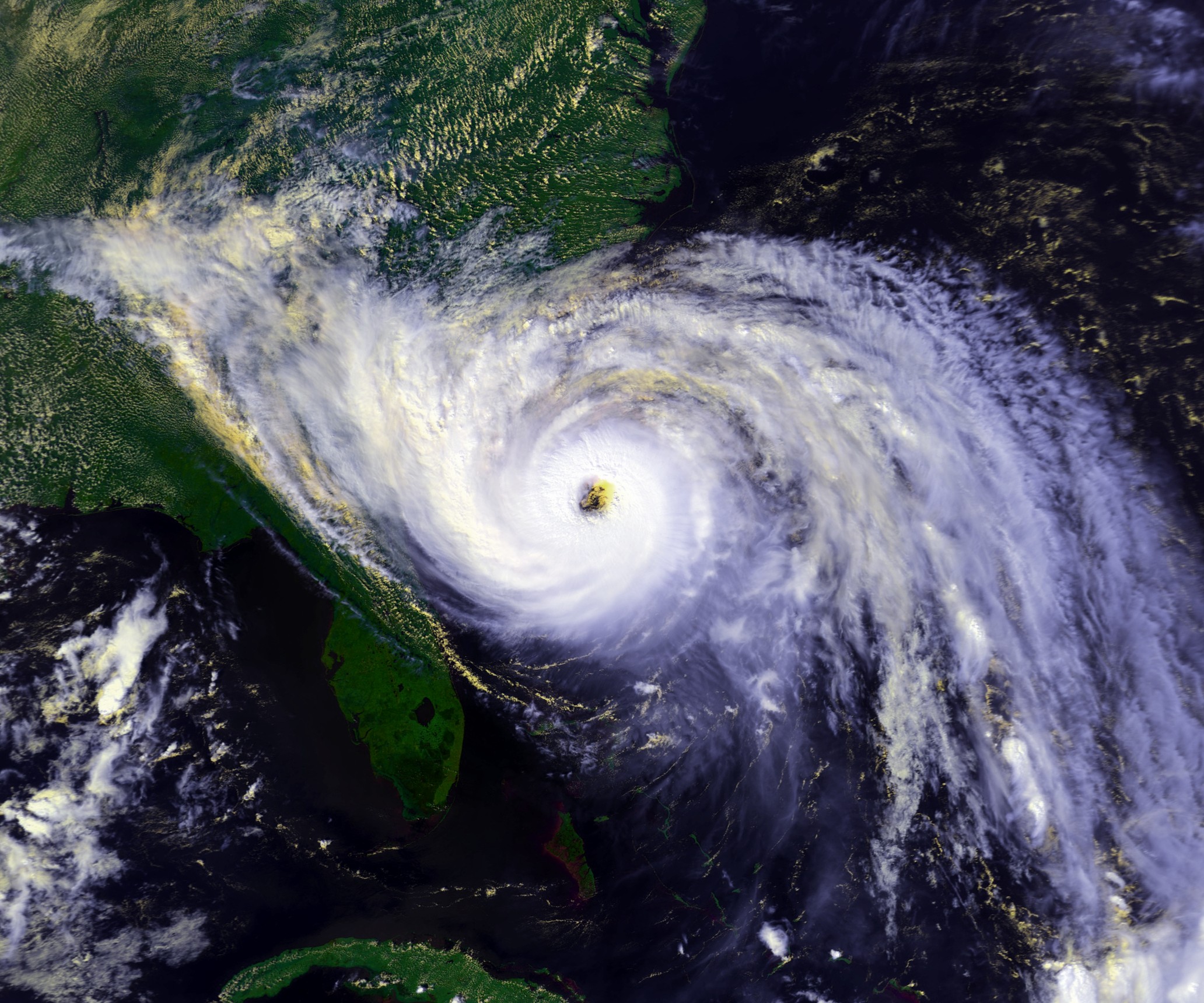
Hurricane Preparedness: Not Just for Coastal Regions

Overview

Hurricane season can affect businesses far beyond the immediate coastline through high winds, storm surge, inland flooding, and supply-chain disruption. Every business should have a clear contingency plan that identifies closure triggers, employee notification methods, and critical recovery steps.

Coastal properties face the highest direct risk, but inland companies can lose revenue when key suppliers, transport routes, or utilities are interrupted. Consider reviewing Coastal Properties Insurance as part of a broader risk assessment for locations near the water.

Key takeaways

  • Hurricanes create both direct property damage and indirect business interruption risks.
  • Create written procedures for evacuation, securing facilities, and notifying staff.
  • Back up power, water, and communications to minimize short-term outages.
  • Review suppliers and specialty coverages to reduce supply-chain exposure.

How it works

Storms cause damage through wind, flooding, and falling debris; they also often interrupt utilities and transportation networks. A preparedness plan should prioritize life-safety steps, then actions to reduce property and data loss.

Identify staff responsible for specific tasks—securing windows, shutting off utilities, and moving valuable equipment to higher ground or off-site storage. Small or home-based manufacturers should document production locations and inventory so losses can be tracked quickly; businesses run from residences may benefit from policies like Home-Based Natural Ingredient Lotion Insurance when applicable.

What it may cover (and what it may not)

Business property and commercial general liability policies can cover damage to buildings, equipment, and customer property in your care, while business interruption coverage can replace lost income during a covered shutdown. Coverage scope varies by policy and insurer.

Many standard policies exclude flood and some forms of storm surge, which require separate coverage. If your operation relies on specialized suppliers—such as those producing medical or laboratory products—review options for supplier interruption and specialty policies like Pharmaceutical Preparations & Medical Products Insurance where relevant.

Common mistakes to avoid

Failing to document inventory, equipment, and property condition before a storm makes claims slower and more difficult. Keep recent photos, serial numbers, and inventory lists off-site or in the cloud.

Assuming suppliers and carriers will operate normally can leave you without critical inputs; identify alternate suppliers and transportation routes in advance. Also avoid relying solely on verbal plans—put procedures in writing and distribute them to all employees.

Questions to ask an agent

  • Does my current policy cover wind damage, and is flood covered or excluded?
  • What limits and waiting periods apply for business interruption coverage?
  • Are there endorsements available for supplier interruption or ordinance and law costs?
  • How should I document losses to speed a claim after a storm?

If you need help reviewing options or coordinating coverage changes, talk to an agent who can explain available endorsements and gaps in protection.

Next steps

Create a concise hurricane response checklist that covers employee safety, property protection, data backups, and vendor communication. Test notification procedures and backup systems with periodic drills.

Review insurance policies at least annually and after any change in operations, location, or suppliers. Add flood or specialty coverages when exposures indicate they are needed, and maintain a list of alternate suppliers and short-term storage options to reduce downtime.

Frequently Asked Questions

Will my standard commercial property policy pay for flood damage?

Most standard commercial property policies exclude flood; separate flood insurance is usually required to cover water from storm surge or rising rivers.

How can I reduce business interruption losses if a supplier is affected by a hurricane?

Identify backup suppliers, increase on-hand inventory of critical inputs, and consider business interruption endorsements that account for supplier outages.

What documentation helps with an insurance claim after a storm?

Keep recent photos, inventory lists, equipment serial numbers, receipts, and a record of business income to support property and business interruption claims.

Erin Carlson 909-547-6212 Website
 

HOW TO BEST HANDLE CLAIMS

Whether a claim involves liability, property, workers' compensation or another type of insurance, policies describe the obligations of the policyholder when filing a claim. Regardless of claim type, policyholders should contact their insurer promptly after an incident.

Property Claims.

Insurance policies include specific wording about what a policyholder must do when making a property claim. The Business Owners Policy (BOP) typically requires several immediate steps.

  • Report legal violations to the police immediately.
  • Make immediate contact with a personal insurance agent.
  • Resume the maximum volume of regular business operations as soon as possible.
  • Make temporary repairs and take other necessary steps to protect property from further damage. Preserve damaged parts that may need to be examined by the claims adjuster.

For help navigating property claim steps and adjuster coordination, see Claims Management Services for Property Insurance.

Business Income Claims.

To establish benefit amounts for business income coverage under a BOP, policyholders must keep specific records that document lost income and extra expenses.

  • Expense and income information such as recent profit-and-loss statements and income tax returns.
  • Historical sales records for the company.
  • Detailed records of extra expenses required to resume operations after the covered loss, such as temporary equipment rental, temporary rental space, or moving costs.
  • Receipts or records for damaged inventory needed to replace lost items.
  • Any other business records that help project profits had the loss not occurred.

For more information on compiling records and presenting a business income claim, consider resources like Claims Management Services in Property and Casualty Insurance.

Workers Compensation Claims.

If an employee suffers a work-related injury, notify the insurer immediately so the employee can access medical care and rehabilitation promptly.

Employers must cooperate with the insurer's investigation and provide requested records and documentation.

Guidance and coordinated claims handling are available through programs such as Claims Management Services & Workers' Compensation Insurance.

Liability Claims.

Contact your insurer immediately if someone threatens to file a lawsuit against the company. Report incidents that could lead to a claim even if the person has not yet sued.

Include specific details, gather witness information, and follow up as needed. Do not make payments to injured parties beyond necessary first aid without insurer approval, and cooperate with the insurer's investigation if a claim is filed.

Vehicle Claims.

If employees drive company vehicles, instruct them on how to respond after an accident and provide an accident kit in each vehicle.

Notify the police after an accident, obtain names and contact information for other parties and witnesses, and contact the insurer promptly to report the accident.

Policies often outline procedures for disputing claim handling decisions. Read your policy instructions carefully and follow required procedures, and if you need assistance, contact one of our agents to discuss your concerns.

Frequently Asked Questions

How soon should I report a claim to my insurer?

You should report a claim as soon as possible after an incident to ensure timely investigation and coverage consideration.

What records are most important for a business income claim?

Key records include recent profit-and-loss statements, tax returns, historical sales, and receipts for extra expenses incurred to resume operations.

What should employers do immediately after a workplace injury?

Seek medical care for the employee, report the injury to your insurer, and preserve records related to the incident and treatment.

Can I pay an injured person directly at the scene?

Beyond necessary first aid, avoid making payments to injured parties without consulting your insurer to prevent complications with a potential liability claim.

Erin Carlson 909-547-6212 Website
Copyright 2026. All rights reserved.