 DEADHEADING OR BOBTAILING?
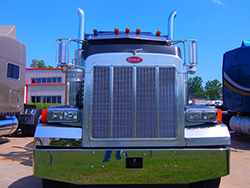
 “Bobtail” refers to operating a truck-tractor without a trailer. “Deadhead” refers to pulling an empty trailer in a non-business activity.
DAT Solutions, the biggest on-demand freight marketplace points out that deadheading is ten percent of the total mileage. Deadheading miles have no value and the expense can be overwhelming for smaller companies and owner-operators. Accidents do occur and the driver may not be at fault.
Most trucking companies offer Deadheading
Truckers General Liability Insurance to drivers; however, small companies and owner-operators do not purchase this insurance or are underinsured. The primary belief is that Deadheading Truckers Liability Insurance is not a necessity or worth the cost. This belief leaves owner-operators and small carrier companies vulnerable with every deadhead haul. Accidents
DO occur anywhere, anytime, and anyplace. An empty trailer weighs much less than a full or partially loaded trailer.
Deadheading is a necessary part of the trucking industry. After all, an empty truck can’t be empty forever; but it is an important part of the shipping industry. The reduction of deadhead miles might be easier said than done. New trends in the trucking industry include collaboration and optimization. Smaller companies might consider this alternative expensive.
Independent truckers can purchase Commercial Truckers Policies with all the coverage included, but this can create an additional purchase of coverage. If a Commercial Business Auto Coverage Form policy is purchased, special wording can remove the additional coverage situation. An optional form can add restrictions for losses involving individuals in the business of transporting property for hire and who is responsible for the named insured’s conduct. Insurers are usually open to providing additional coverage to handle the extraordinary needs of independent truckers. Insurance professionals know their business and the exposure to loss. It is important to discuss this coverage with your insurance carrier.
The risk is in
NOT Purchasing Deadheading Truckers Liability Insurance. Deadheading Truckers Liability Insurance protects you and your company from unintended mishaps. You decide!
Bobtailing and deadheading are common for owner/operators of truck-tractors (lessors), who own their own trailers. The owner/operators hire their services out to trucking firms (lessees). The lessees transport property as common carriers. It is more economical for carriers to lease than purchase and maintain their own vehicles due to the many services involved in the upkeep of the vehicles.
The owner of the truck usually provides or is the operator. Leases can be either on a permanent or trip basis. When the owner-operator uses the vehicle for pleasure vs. work exposures arise, such as, when the truck is heading home once the load has been dropped at the location. Liability can also arise if the truck is being serviced or is being worked on.
For bobtail or deadhead uses of a rig, additional Motor Carriers Insurance can be purchased. A motor carriers’ endorsement can be added to most Business Auto Policies (BAP).
Overlooking bobtailing or deadheading can drain the pocket. Things happen and it is best to be protected against this hazard.
Coverage considerations and practical options
Deadheading and bobtail exposures touch several insurance areas: commercial liability, cargo coverage, motor carriers endorsements, and non-trucking liability. Owner-operators, small carriers, leased drivers and lessees all commonly face these exposures and often bundle coverages to close gaps.
For a clear comparison of the two uses and how insurers view them, see Deadheading vs Bobtailing: Insurance Risks and Options at https://completemarkets.com/Bobtail-or-Dead-Heading-Truckers-Liability-Insurance/Storefronts/. Many fleets also balance coverages with specialty products described in Truckers Non-Trucking Liability (NTL) at https://completemarkets.com/Truckers-Non-Trucking-Liability-Insurance/Storefronts/ and broader policies for long routes in Long Haul Truck Insurance Overview at https://completemarkets.com/Long-Haul-Truck-Insurance/Storefronts/.
Typical policy tools include adding a Motor Carriers endorsement to a Business Auto Policy (BAP), purchasing Truckers General Liability coverage, or buying a stand-alone Truckers Commercial Auto policy. Underwriting factors such as driving records, fleet size, route length, cargo type and claims history influence available terms and premiums. A short risk scenario: an empty trailer slide-off during a weekend move can trigger liability and third-party property damage claims even when no freight is onboard.
Good risk management (route planning, load optimization, maintenance records) helps reduce deadhead miles and underwriting exposure. When uncertain about limits or endorsements, discuss your needs with your carrier or talk to your agent to review available options and gaps in coverage.
Practical next steps
1) Inventory how you use each vehicle (leased, owner-operator, personal use). 2) Ask insurers about motor carriers endorsements, Non-Trucking Liability options, and cargo coverage limits. 3) Keep records that underwriters value: maintenance logs, trip histories, and lease agreements.
Frequently Asked Questions
What is the difference between bobtail and deadhead?
Bobtailing is driving a truck-tractor without its trailer; deadheading is running an empty trailer. Both create distinct liability exposures that may not be covered by all auto policies.
Does my standard commercial auto policy cover deadheading?
Not always. Some Business Auto Policies exclude certain hired or non-owned operations unless a motor carriers’ endorsement or a specific truckers policy is added. Confirm exclusions and endorsements with your insurer.
Who should consider purchasing deadheading or bobtail coverage?
Owner-operators, small fleets, leased drivers and carriers that use trucks for both business and non-business trips should consider these coverages to avoid gaps when trucks are operated without loaded trailers or outside primary hauling duties.
Still have questions? Talk to a local insurance expert.