 As a chemical manufacturer or distributor, you understand the complexities and risks of your industry. Securing robust liability insurance is crucial to safeguarding your operation from unforeseen liabilities stemming from product handling, transportation, and storage. Consider specialized coverage alongside commercial liability and property protections to address exposures unique to chemicals. Environmental and worker-related risks, regulatory compliance, supply chain disruptions, and safety protocols are all key considerations.
Reach out to our local insurance specialists who specialize in chemical distributors' insurance. For more information on how this coverage can safeguard your business, continue reading below.
Shortcomings of Standard Product Liability Insurance
While product liability insurance is a cornerstone of your risk management strategy, it isn't a catch-all solution—especially for pollution and long-term environmental exposures. To effectively mitigate risks, product liability should be combined with targeted coverages and proactive risk management such as periodic risk assessments and emergency response planning.
Here's where standard product liability policies often fall short: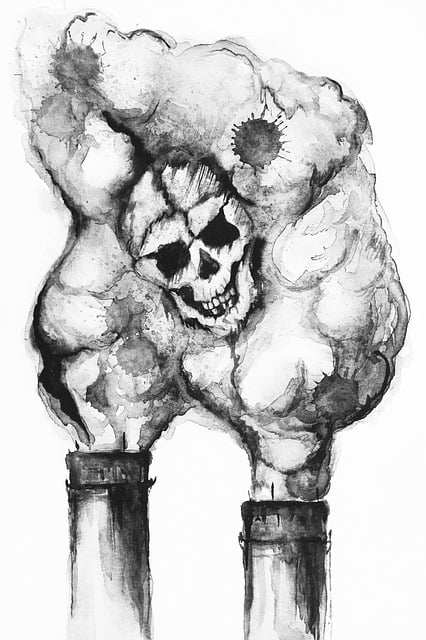
Exclusions for Environmental Damage: Many standard product liability policies exclude pollution and environmental impairment. This gap is critical in the chemical sector, where spills, leaks, and accidental discharges can trigger costly cleanup, third‑party claims, and regulatory actions.
Limited Coverage for Long-Term Exposure: Chemicals can have latent effects. Standard policies often exclude claims tied to gradual pollution or long-tail bodily injury and property damage, leaving businesses exposed to future liabilities discovered years after an incident.
Geographical Restrictions: Standard policies may not respond for pollution in all jurisdictions or during international transport. If your products move across state or national borders, verify that your policy territory and regulatory compliance support your operations.
Specialized Insurance Solutions for Chemical Manufacturers and Distributors
In addition to business insurance, consider tailored options that close gaps left by standard policies and address operational hazards, transportation risks, and environmental liability:
Environmental Impairment Liability (EIL) Insurance: Designed to cover pollution-related incidents excluded by typical liability policies. EIL responds to both sudden accidental releases and gradual contamination, covering cleanup costs, defense, and third-party damages arising from soil, groundwater, or air contamination.
Blended Policies: Hybrid policies that combine product liability and pollution liability reduce the risk of coverage gaps between product-related incidents and environmental exposures, simplifying claims handling and limits coordination. For tailored storefront solutions, see Insurance Solutions for Chemical Manufacturers and Distributors.
Customized Risk Management Programs: Work with insurers who provide on-site inspections, loss-control surveys, and emergency response planning. Proactive measures such as written handling protocols and routine audits often reduce both incident frequency and insurance costs.
Captive Insurance: Larger companies sometimes form a captive insurance company to retain certain predictable risks, gain underwriting control, and craft coverage terms for niche exposures. Captives can be useful when commercial markets are limited for particular chemical risks.
Crisis Management Coverage: Beyond indemnity, crisis management includes public relations support, legal counsel, and recall or remediation coordination to protect reputation and facilitate recovery after an incident.
For focused environmental protection at chemical sites and facilities, review Environmental Risk Protection for Chemical Facilities to compare coverages specific to plant operations and site remediation exposures.
Strategic Steps for Comprehensive Coverage
To ensure your insurance aligns with your operations, take these practical steps:
- Conduct comprehensive risk assessments, including transportation and storage audits
- Engage with specialist brokers or insurers familiar with chemical products and regulatory exposures—search Chemical Manufacturers Insurance for program options
- Stay informed about regulatory changes affecting handling, labeling, and disposal
- Invest in preventative measures such as secondary containment, spill kits, and employee training
Insurance for chemical manufacturers and distributors is about more than financial indemnity—it's about coordinating underwriting, claims response, environmental remediation, and operational controls. A realistic risk scenario: a slow leak during transport could cause gradual soil contamination discovered months later, triggering cleanup and third‑party claims if not covered by EIL or a blended policy.
For those navigating the intricate world of chemical manufacturing and distribution, insurance serves as more than just a safety net. It's about shielding your operations from environmental liabilities, regulatory complexities, and the inherent risks associated with handling potent substances. Invest thoughtfully in your insurance today to safeguard the future of your chemical distributorship.
Frequently Asked Questions
What is Environmental Impairment Liability (EIL) and do I need it?
EIL covers pollution-related cleanup, third-party bodily injury, and property damage often excluded by standard product liability policies. Businesses that handle, blend, store, or transport chemicals commonly add EIL to manage environmental exposures.
Can product liability and pollution liability be combined?
Yes. Blended or hybrid policies combine product and pollution exposures to reduce coverage gaps and simplify limits coordination. Discussing your operations with a specialist broker helps determine if a blended solution fits your risk profile.
What factors most influence the cost of chemical liability insurance?
Underwriting factors include the types and quantities of chemicals handled, storage and transport practices, emergency response plans, claims history, site controls, and the geographic scope of operations. Improved risk controls and loss prevention can lower premiums.
Still have questions? Talk to a local insurance expert.