Owning commercial horses can be daunting for anyone. No matter how well trained they are, they're still wild animals. If you run a business that depends on the cooperation of horses, then you likely already know about commercial equine liability insurance.

However, what you may not know is just how much of the insurance you need to ensure your continued survival in a truly competitive world. Learn more about what it really means to have horses on your property, and how you can prepare for the future.
Expecting the Unexpected
Most horses are born with an innate sense to please people, but certainly not all of them are predictable when it comes to their behavior. From pulling carts to giving rides to children, horses are giant animals that can do a lot of damage when they're angry or scared. Having the right amount of insurance means taking into account not just property damage, but also chronic injuries that a person may sustain after they've come into contact with a disgruntled horse. Unfortunately, even calm horses may be spooked by something that could never have been predicted.
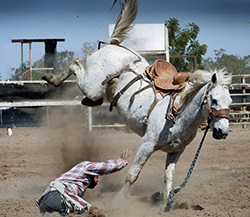
Just one car backfire could end up having lasting financial consequences for an owner.
Operators of riding schools, horse-drawn carriage businesses, and equine event organizers all face unique liability exposures. In addition to injury claims, you may be liable for spectator injuries, facility-related accidents, or losses stemming from equipment failure. These operational hazards highlight why a layered insurance strategy—possibly including participant accident coverage or property and equipment coverage—is worth considering.
Limits and More
It's the limits of Commercial Equine Liability Insurance that really count, so it's important to understand what each number really means to you, the policyholder. For example, if an owner has a limit of $100,000, then they will be responsible for any expenses above and beyond that number. When it comes to damage sustained from a horse, it's not unusual to see the financial repercussions push up far higher than owners ever expected. Owners who want to have the best possible protection should consider getting additional insurance for better peace of mind.
Higher liability limits may be especially important for those who host public events or operate in densely populated areas. Risk management considerations such as fencing, training protocols, and animal supervision can also influence how much coverage is underwritten.
If you're unsure how much coverage your operation needs, speaking with
a local licensed property and casualty insurance agent is a smart first step. They can walk you through options based on your specific business model and exposures.
For a deeper understanding of how this coverage fits into an overall protection plan, see
Equine Liability Insurance: A Critical Risk Management Tool for Equine Businesses or explore
Why Commercial Equestrian Operation Insurance Is a Must for Your Equine Business.
Frequently Asked Questions
What does commercial equine liability insurance generally cover?
It typically covers third-party bodily injury and property damage resulting from the actions of your horses or your equine business operations.
Is this insurance required by law?
Requirements vary by state and activity. While not always legally required, it is highly recommended for operators with public or client interaction.
Who should consider this type of insurance?
Horse trainers, boarding facilities, riding instructors, carriage operators, and equine event organizers are common policyholders.
Does it cover injuries to riders or participants?
Not always. You may need separate participant accident coverage or waivers for full protection. Check with your agent.
How are coverage limits determined?
Limits are based on your business size, number of horses, services provided, and exposure to public liability risks.
Still have questions? Talk to a local insurance expert.