Claims made against construction contractors became common in the 1980s and remain frequent today. Because it’s easier than ever to file suit, no construction company should operate without at least a basic general liability policy.

Having an appropriate liability program in place — including commercial liability, commercial auto exposure, equipment coverage, property coverage, and participant accident protection — can prevent major disruption and out‑of‑pocket legal costs. Here’s what construction owners and managers should know:
Lawsuits Can Happen When You Least Expect Them
Good owners and managers know that experienced crews, safety procedures, and careful planning reduce risk. Still, many claims stem from outside factors — severe weather, equipment malfunction, or an unforeseen site accident. For example, a trailer or piece of heavy equipment sliding during a storm could damage a client’s property or injure a bystander, creating a liability exposure. A dropped tool that injures a passerby is another common risk scenario that illustrates job‑site hazards and spectator injury exposures. That’s why planning for the unexpected with commercial liability, commercial auto exposure, and equipment coverage matters.
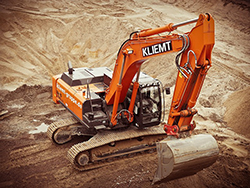
Even when a job appears to have gone according to plan, transportation risks and on‑site hazards can produce claims, so consistent risk management, secure storage for tools and rented equipment, and solid underwriting documentation are important. A delivery truck backing up on a busy site, for example, can cause property damage or third‑party injury; keeping vehicle inspection records and clear incident logs helps when reporting a claim.
Having Liability Insurance Can Save You Costs in the Future
Some business owners view insurance as an avoidable expense, but general liability protects a company from paying legal claims for third‑party bodily injury, property damage, and related legal fees. Premiums and deductibles are typically far less than defending and settling a suit. Many contractors also consider related coverages such as property coverage for tools and materials, specialized equipment coverage, participant accident protection for certain job‑site activities, or event liability for temporary on‑site events. Underwriting factors — payroll, annual sales, claim history, scope of contracted work, and chosen limits — influence pricing and available coverage terms. Who typically seeks these policies? Small contractors, trade subcontractors, construction managers, and firms acting as general contractors often buy them to meet contract and client requirements; see General Liability Insurance for Construction Managers, Construction Trade Contractor General Liability Insurance, Insurance for General Contractors, or General Contractors General Liability Insurance for more tailored information. When you’re ready,
get matched to an insurance agent about finding a plan that fits your coverage needs and budget.
Quick risk‑management tips: keep detailed incident logs, document site safety measures and toolbox talks, store equipment securely, and verify subcontractor insurance to reduce gaps in coverage and help underwriting assessment. Also maintain vehicle inspection records for commercial autos and inventory lists for tools and rented equipment.
Frequently Asked Questions
Do all contractors need general liability insurance?
Most contractors benefit from general liability because it covers common exposures like third‑party bodily injury and property damage; specific needs vary by trade and contract requirements.
What are common exclusions I should watch for?
Policies often exclude intentional damage, professional errors (which may require professional liability), pollution incidents, and certain auto or tool losses unless additional coverages are added.
How do insurers determine my premium?
Carriers consider factors such as payroll, annual revenue, type of work performed, claims history, job‑site hazards, and the limits and deductibles you select.
Still have questions? Talk to a local insurance expert.