Home >
Convenience Stores Insurance Guide >
Convenience Stores Liquor Liability
This page is part of the broader Convenience Stores Insurance Guide, which provides essential information on various coverage options. Additionally, explore Convenience Stores/Mini-Marts Insurance for core needs that may align with your business, or check Workers’ Compensation Insurance tailored for convenience store employees.
Everyone who works in the alcohol industry knows there are certain risks associated with the business, particularly when it comes to sales. From bartenders to store clerks, those who sell alcohol must follow local laws and undergo proper training to help promote safe alcohol consumption.
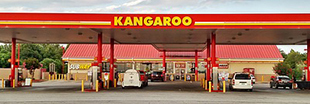
Nevertheless, things can get a little more complicated for those who sell alcohol in addition to a wide array of other items, such as at convenience stores. Although not every state permits alcohol to be sold at convenience stores, those that do often find themselves having to follow stricter regulations and may even face a greater number of risks as a result. This is where liability insurance becomes a necessity. If you want more detail about coverages designed specifically for this niche, see Convenience Store Alcohol Liability Insurance at https://completemarkets.com/Convenience-Stores-Liquor-Liability-Insurance/Storefronts/.
Convenience Stores May Still Be Held Liable for Accidents
Whereas bartenders and restaurant servers may be able to more closely monitor alcohol consumption because it is being consumed on-premise, store clerks usually have a tougher time telling if someone should really be sold alcohol. Customers do not tend to spend nearly as much time in convenience stores as opposed to in bars or restaurants, and very little of that time is usually spent interacting with staff.
Still, if a person is sold alcohol in a convenience store and then gets in an alcohol-influenced car accident or other incident soon after, it is possible the store and/or the clerk will be held liable. This exposure can involve commercial auto exposure when a vehicle is involved, as well as premises liability and general commercial liability for the retailer.
A common risk scenario: a customer purchases alcohol at closing hours and later causes an accident while driving; that chain of events can trigger a liability claim against the seller. Good risk management considerations include employee training, clear ID-check policies, and documentation of refused sales.
Liability Insurance Can Save a Business
Convenience stores liquor liability insurance ensures that store clerks and/or managers do not end up paying out of their own pockets for legal costs. Coverage often interacts with other policy components such as property coverage for the storefront, commercial liability limits, and even participant accident coverage for on-site incidents. The greater the alcohol percentage you sell and the larger the area you serve, the greater the coverage you will most likely need. Either way, selling alcohol in any way can be considered a liability, and therefore a good liability insurance policy is vital to any business that does sell alcohol. For broader storefront examples and underwriting factors, see Liquor Dealers and Stores Liability (Liquor Liability Insurance) at https://completemarkets.com/Liquor-Dealers-and-Stores-Insurance/Storefronts/.
If you sell alcohol alongside tobacco, fuel, or food items, underwriters will consider operational hazards, transportation risks, and facility risks when evaluating your policy. Common underwriting factors include past claims history, employee training programs, hours of alcohol sales, and local licensing requirements. These factors help determine exclusions, limits, and premiums — and they vary by state and insurer.
Contact a local insurance professional that has experience with this business category, someone that can guide you and help you procure the right insurance coverage.
Understanding Compliance and Legal Obligations
Selling liquor can invoke various regulatory compliance and legal obligations that stores must strictly adhere to. This can include maintaining proper licensing, ensuring your staff is adequately trained on the responsible sale of alcohol, and keeping records of all sales. Non-compliance can lead to fines or increased liability, making it vital to consult with insurance and legal professionals to align your operations with applicable laws.
Frequently Asked Questions
Do convenience stores need a separate liquor liability policy?
Not always — some general commercial liability policies include limited liquor liability, but many retailers choose a dedicated liquor liability endorsement or policy to get appropriate limits and defenses specific to alcohol-related claims.
What risk-control steps reduce liquor liability exposure?
Common measures include mandatory ID checks, documented refusal procedures, employee training on responsible sales, and limiting sales hours; these can help when negotiating terms with insurers.
Will my other coverages be affected if I sell alcohol?
Possibly. Adding alcohol sales can affect commercial liability, property exposures, and commercial auto considerations; it’s important to review how alcohol sales interact with existing policies.
Still have questions? Talk to a local insurance expert.