Organizations utilize cranes to give various administrations and to satisfy business contracts. Cranes are vast, overwhelming and costly, so they require substantial capital first to procure them. Protect your organization's interest in the truck.
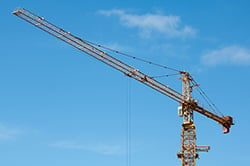
With the correct kinds and levels of business protection on your crane, you can shield it and your organization from potential cataclysmic misfortunes. Here are the sorts of collision protection you should bear on a crane:
Obligation To Have Insurance
Cranes General Liability Insurance is essential accident coverage that is mandated by law in many states. This protection must be carried to ensure others are compensated if your crane is involved in a vehicular accident. If your truck is at fault, this liability coverage pays for the damages and expenses resulting from the incident. These generally fall into two categories:
- Bodily Injury: This coverage pays for medical expenses that arise due to a motor vehicle accident. If someone is injured, the bodily injury portion of your liability policy helps cover their treatment. It can also cover lost wages from missed work and funeral costs if the incident is fatal.
- Property Damage: If your truck causes an accident resulting in property damage, this section of your policy helps repair or replace the damaged property. This includes other vehicles, buildings, or job-site equipment.

Medicinal Payments
Medical payments coverage helps pay medical bills for your truck driver and any passengers injured in a crash. This coverage applies regardless of who is at fault, offering protection for drivers working in high-risk transportation environments. Not all states offer this option, so check with a licensed insurance professional to see if it’s available in your region.
Physical Damage Insurance
Physical damage insurance covers repairs or replacement if your crane is damaged or destroyed in a covered event. This is a crucial form of protection for operators of heavy equipment, especially when the crane is leased or financed. Risks like collisions, vandalism, or certain natural disasters may fall under this protection, depending on the policy terms.
In addition to liability and physical damage coverage, crane operators face a range of job-site hazards and commercial auto exposures. From operating in tight construction zones to transporting oversized equipment, these risks make comprehensive insurance essential. Contractors and fleet operators often complement their general liability with other coverage types, such as equipment coverage or inland marine policies.
To explore more robust protection, consider reviewing related policies like
Cranes Commercial Automobile Insurance or
Boom Truck Service Insurance. These can offer additional safeguards against transportation risks and mobile equipment damage.
Contact a local insurance professional that has experience with this business category, someone that can guide you and help you procure the right insurance coverage.
Frequently Asked Questions
What does cranes general liability insurance typically cover?
It usually includes bodily injury and property damage caused by accidents involving your crane during operation or transit.
Do I need liability insurance if I lease my crane?
Yes, liability and physical damage coverage are often required by leasing agreements to protect the equipment and third parties.
Is medical payments coverage required by law?
No, but it may be available in some states and can provide additional protection for drivers and passengers.
Can I bundle crane insurance with other contractor policies?
Yes, many businesses combine crane insurance with general contractor liability or inland marine policies for broader protection.
Who typically needs this type of insurance?
Crane rental companies, construction contractors, and heavy equipment operators commonly carry this coverage to manage operational risks.
Still have questions? Talk to a local insurance expert.