 Disaster Services Insurance: Safeguarding Restoration Contractors from Unpredictable Perils
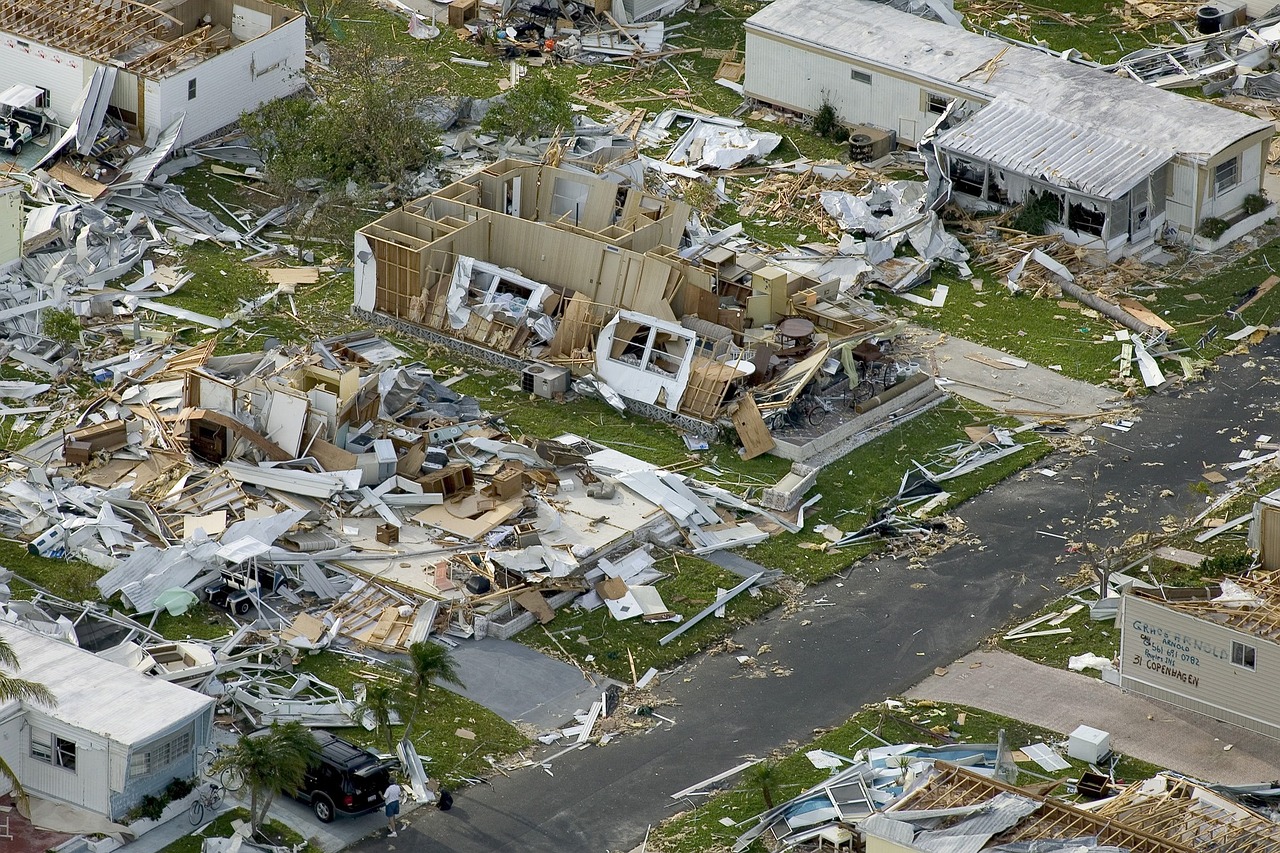
When a Category 3 hurricane makes landfall or a wildfire devastates a community, disaster restoration contractors are among the first to respond. They are tasked with mitigating damage, protecting property, and helping people rebuild their lives. Yet, in the rush to respond, the serious risks of this work are often overlooked. From hazardous mold remediation to structural drying in unstable environments, the potential for accidents, property damage, or unexpected project costs is always present. Disaster Services Insurance provides specialized protection designed to help your restoration business withstand these challenges—both during and after a catastrophe.
The Critical Need for Disaster Services Insurance
Disaster restoration contractors work in conditions where uncertainty is the norm. Whether you handle flood-damaged properties, fire and smoke restoration, storm cleanup, or biohazard and trauma scenes, the work often involves specialized knowledge, equipment, and techniques such as moisture mapping, negative air machines, HEPA filtration, and containment barriers.
These risks include:
High stakes: A contractor's failure can have lasting impacts, as shown by the statistic that nearly 40% of businesses (Insurance Information Institute) face permanent closure if they are unable to recover from a disaster.
Frequent deployments: With the US experiencing an average of 12 disasters per year, resulting in billions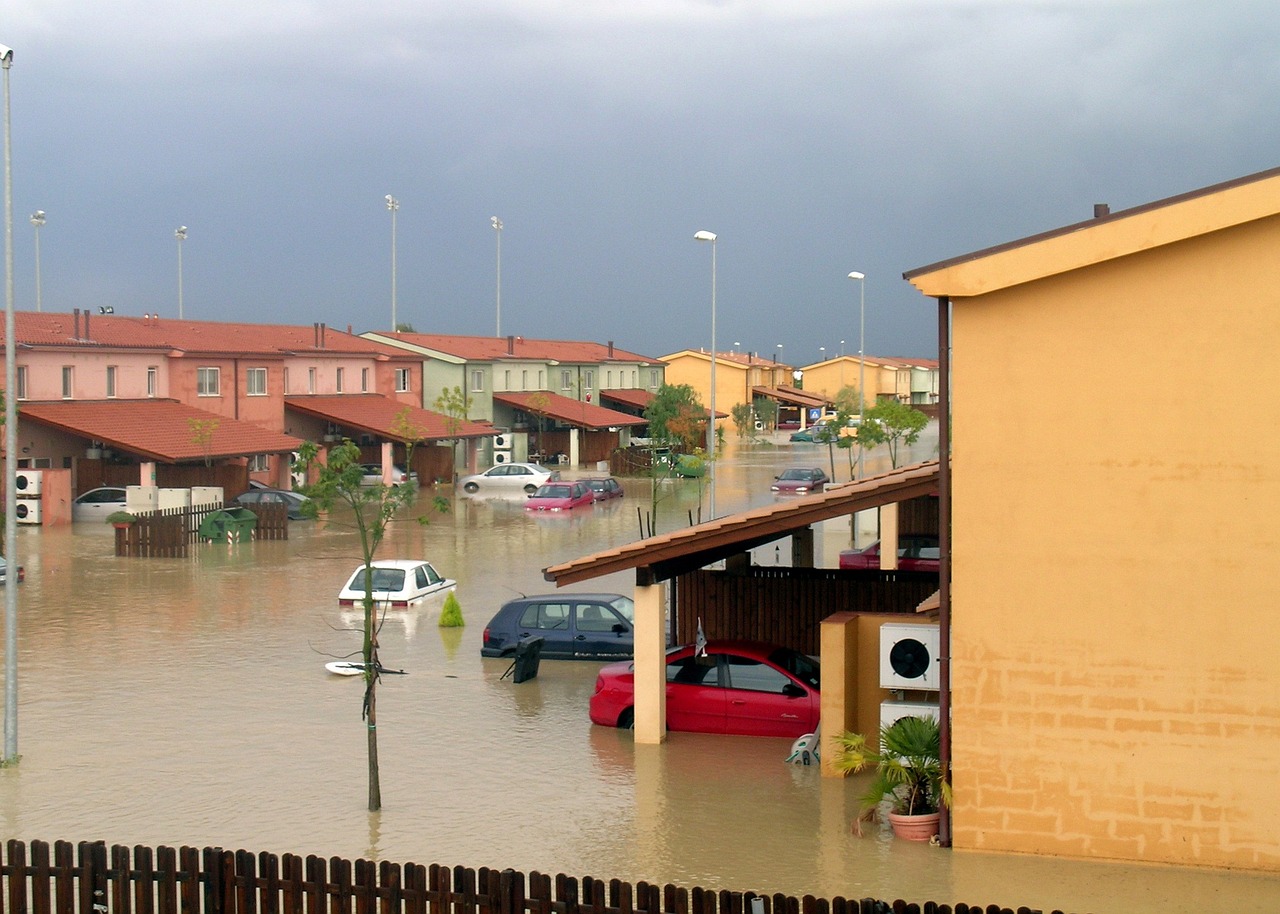 of dollars in damages, contractors must be prepared to mobilize quickly, often working long hours in hazardous and unpredictable environments.
Specialized hazards: Imagine responding to a flood-damaged building where hidden mold spreads rapidly due to lingering moisture, or working at a post-fire site where the structural integrity is compromised and air quality is poor. Insufficient insurance coverage can leave your business vulnerable to lawsuits, repair bills, or rework costs, putting your livelihood and assets at risk.
Given these challenges, standard business insurance policies often fall short of providing adequate coverage for disaster restoration work.
Case Study: Post-Hurricane Ida Restoration Project
A New Orleans restoration contractor faced unexpected mold growth during a commercial property restoration project after Hurricane Ida in 2021. Initially, the project seemed straightforward, but hidden moisture led to widespread mold, requiring an additional $100,000 in remediation costs, extra labor, and extended equipment use. Thanks to their Disaster Services Insurance policy, these costs were covered under their environmental and professional liability protection, allowing the project to remain financially viable.
In addition, the policy's comprehensive coverage, aligned with industry standards like IICRC S520 and OSHA safety guidelines, helped the contractor follow best practices and maintain their reputation as a reliable expert in disaster restoration, even under the most challenging circumstances.
 Don't Risk Financial Ruin: The Cost of Claims is High
The disaster restoration industry is growing steadily, with an annual growth rate of 3.8%, driven by an increase in the frequency and intensity of natural disasters. The National Association of Insurance Commissioners (NAIC) reports that the average cost of a general liability claim in the construction industry is about $15,000. For disaster restoration contractors—who often work in occupied buildings, handle hazardous materials, and operate specialized equipment—the potential for larger claims is even greater. Inadequate insurance leaves your business financially exposed to legal costs, property damage, and bodily injury claims.
Essential Coverages in Disaster Services Insurance for Restoration Contractors
A well-structured Disaster Services Insurance program typically combines several key policies to address the unique risks of restoration work:
- General Liability – Helps protect against third-party bodily injury, property damage, and personal/advertising injury claims arising from your operations.
- Professional Liability – Also known as errors and omissions (E&O); helps cover claims alleging negligence, faulty work plans, or failure to perform services as promised.
- Environmental Liability – Helps address claims related to pollution or contamination, such as mold, asbestos, lead, or other hazardous materials disturbed during restoration.
- Workers’ Compensation – Provides benefits to employees who suffer work-related injuries or illnesses, as required in most states.
- Commercial Property – Helps protect your office, warehouse, tools, and equipment from covered causes of loss such as fire, theft, or certain weather events.
- Commercial Umbrella – Provides an extra layer of liability protection above the limits of your underlying policies, which can be critical for high-severity claims.
Additionally, consider the following specialized policies:
- Flood Insurance – Helps protect buildings and contents from flood damage, which is typically excluded under standard property policies.
- Equipment Floater – Inland marine coverage that helps protect mobile tools and equipment, including drying units, dehumidifiers, and negative air machines, while in transit or on job sites.
- Cyber Liability – Helps cover certain costs related to data breaches, ransomware, or other cyber incidents involving customer or business information.
Optimizing Your Disaster Services Insurance Coverage
To ensure your insurance coverage is truly comprehensive, work with insurance professionals who understand the specific exposures restoration contractors face, including catastrophe response, emergency services, and long-distance deployments. Regularly reviewing and updating your policy is essential so that limits, deductibles, and endorsements keep pace with your current operations, number of employees, and equipment inventory.
Consider bundling different types of coverage—such as general liability, professional liability, and environmental or pollution liability—into a coordinated insurance program that is tailored to disaster services. This can help reduce coverage gaps, simplify renewals, and provide more consistent protection across all your projects.
Secure tailored Disaster Restoration Contractors coverage today and help ensure you are protected against the unpredictable challenges of your industry. Reach out to our experts to discuss how we can help you safeguard your operations, employees, and clients before the next disaster strikes.
Frequently Asked Questions
What is Disaster Services Insurance for restoration contractors?
Disaster Services Insurance is a combination of business insurance coverages designed for contractors who respond to events such as floods, fires, storms, and other catastrophes. It typically includes general liability, professional liability, environmental liability, workers’ compensation, and property coverage tailored to restoration work.
Who needs Disaster Services Insurance?
Any contractor involved in water damage mitigation, fire and smoke restoration, mold remediation, storm cleanup, biohazard cleanup, or large-loss catastrophe response can benefit from Disaster Services Insurance. This includes independent contractors, small restoration firms, and larger regional or national response teams.
Does general liability insurance cover mold and other environmental hazards?
Standard general liability policies often limit or exclude coverage for mold, asbestos, and other pollutants. Many restoration contractors need separate environmental or pollution liability coverage to help address claims related to these hazards. Policy terms vary, so it is important to review exclusions and endorsements carefully.
How much Disaster Services Insurance coverage do I need?
The appropriate limits depend on factors such as your annual revenue, number of employees, types of projects, and the contracts you sign with property owners, adjusters, or general contractors. An insurance professional familiar with restoration work can help you evaluate your exposures and choose limits that fit your risk tolerance and contractual requirements.
How can I show proof of insurance to clients or adjusters?
After you purchase coverage, your insurance provider can issue certificates of insurance that list your policy types, limits, and effective dates. Many restoration contractors share these certificates with property owners, insurance carriers, and other project partners as part of bid, onboarding, or compliance requirements.
Still have questions? Talk to a local insurance expert.