The United States has 43.8 billion barrels of crude oil in proven oil reserves. The Energy Information Administration estimates another 198 billion barrels of undiscovered oil resources. America’s oil boom pushed production to record levels — roughly 13.4 million barrels a day by the end of 2019. 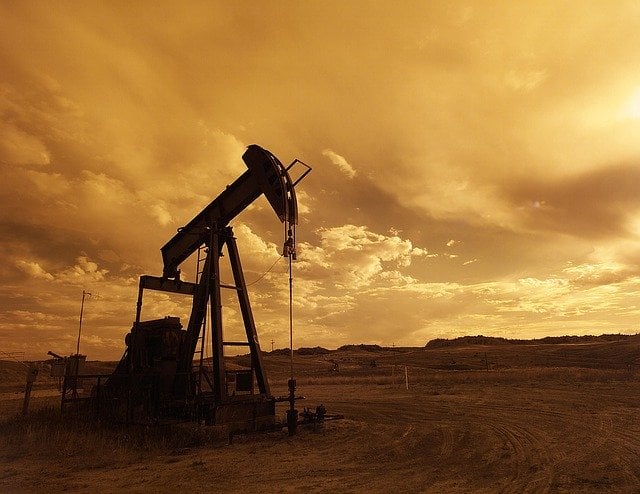
Naturally, higher wages and better employment prospects are attracting skilled personnel to the oil & gas industry. At the same time, drilling operations face a mix of operational hazards and job-site hazards that increase with deeper offshore activity and longer supply lines.
What are the risks and hazards that Oil Drilling Contractors face?
Offshore drilling for oil and gas is considered to be one of Americas’ most dangerous professions. When you drill for oil you not only put lives at risk but miles of coastline, infrastructure and regional economies can be affected if an incident occurs.
As a consultant in the Oil and Gas industry, you must be fully aware of the day to day risks involved in supervising activities and personnel, especially on remote offshore locations. The cruel irony is that even with careful planning and execution, the most experienced Contractors are up against unavoidable risks and dangers such as:
- Spills
- Accidents
- Fires and explosions
- Harsh offshore environment – bad weather, ice & storms
Since these situations can arise unexpectedly, we recommend securing comprehensive protection that can include commercial liability, property coverage, equipment coverage and commercial auto exposure to address transport risks. For consultants and contractors working on platform projects, participant accident coverage and contractor’s professional liability may also be important. A simple risk scenario: a dropped tool damages equipment and causes downtime plus a third‑party bodily injury claim — that combination illustrates both property and liability exposure.
Because exposures vary by operation type and location, many operators and drilling contractors compare specialized policies before binding coverage. For tailored guidance on contractor-specific exposures see Oil Drilling Contractors Risks & Insurance, and if you provide technical or supervisory services, review options at Oil Drilling Consultants Insurance.
The industry is focused on worker safety, but near shore wells are declining and companies are moving further out to sea and to greater depths. That increases mechanical stress on rigs and equipment and raises the likelihood of equipment malfunction, freezing conditions, transportation risks and environmental impacts from a spill. For coverage designed around deeper well operations and drilling projects, see Drilling Oil and Gas Wells Insurance.
We have the expertise, resources and support you need. Contact our Insurance Agent today! If you'd like to compare options and enter details for a quote, talk to an agent.
Frequently Asked Questions
What types of insurance should an oil drilling contractor consider?
Common coverages include commercial general liability, property coverage, equipment and tool insurance, commercial auto, environmental liability for pollution and specialized coverages for consultants and contractors. Exact needs depend on scope and location of operations.
Who typically purchases this coverage?
Operators, drilling contractors, service companies, subcontractors and consultants who work onshore or offshore commonly purchase these policies to manage liability, protect assets and meet contractual requirements.
What factors influence insurance cost for drilling operations?
Underwriting factors include project location (offshore vs onshore), depth of drilling, crew experience, safety programs, claims history, equipment age and transport exposures. Strong risk management and loss prevention can improve terms.
Are environmental or pollution incidents covered?
Pollution liability is often a separate or endorsed coverage with specific limits and exclusions. Review policy language carefully for sudden vs gradual pollution triggers and cleanup costs.
Still have questions? Talk to a local insurance expert.