Home >
Drug Testing Insurance Guide Insurance >
Drug Testing Liability
This page is part of the broader Drug Testing Insurance Guide hub, providing vital insights into the various coverage options available to help employers manage workplace risks. To enhance workplace safety and mitigate liabilities, you may also want to explore Drug Testing Laboratories/Medical Professional and Drug Testing Program Professional Liability coverage.
Many companies debate the need for an alcohol and drug testing policy. The idea of carrying out tests is often dismissed because of the resources involved, stigma, and awkward situations related to testing.
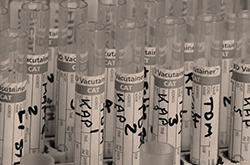
An alcohol and drug test liability policy is an insurance cover that helps manage those risks. Several reasons would urge an employer to implement drug testing in the workplace—especially when an employee may be working under the influence and exposing others to operational hazards. Employers can use testing to verify impairment and support safer hiring and workplace practices. For more on coverage options, consider Drug and Alcohol Testing Insurance at https://completemarkets.com/Drug-and-Alcohol-Testing-Insurance/Storefronts/.
Employees working under the influence expose themselves and others to different kinds of risks because many workplaces involve hazardous tools, machinery, or transportation. Liability insurance becomes essential if an accident or injury occurs while using heavy equipment or operating commercial auto exposure such as trucks. A well‑designed program also reduces workers’ compensation costs and improves overall safety and hiring quality.

A drug testing program protected by the right insurance cover benefits the employer in concrete ways: lower workers’ compensation claims, clearer underwriting factors for insurers, and better risk management at the job site. If you run testing through a third‑party lab or screening provider, consider professional liability and specialized lab coverage to protect against testing errors; see Protecting Your Drug Testing Program: Professional Liability Insurance at https://completemarkets.com/Drug-Testing-Program-Professional-Liability-Insurance/Storefronts/ for more information.
Reasons for introducing an Alcohol and Drug policy
Drug abuse can cause serious and expensive losses in the workplace—theft, fraud, violence, and poor performance all reduce productivity and increase liability exposures. With an appropriate insurance plan, business owners have more protection against property damage, employee injury claims, and the financial consequences of a serious incident. Employers, contractors, and operators who want to build safer workplaces often pair written policies with a Drug-Free Workplace Program to document procedures and compliance; learn more at https://completemarkets.com/Drug-Free-Workplace-Insurance/Storefronts/.
A common risk scenario: an employee operating a forklift while impaired causes a load to fall, damaging property and injuring a co‑worker—this could trigger workers’ compensation, third‑party liability, and equipment damage claims.
Key semantic considerations for these programs include commercial liability, workers’ compensation interactions, professional liability for testing providers, underwriting factors insurers review, exclusions for certain types of testing errors, and broader risk management steps employers can take to reduce exposures. Implementing comprehensive risk management practices not only helps in claims mitigation but also ensures compliance with contractual obligations and workplace safety regulations.
Our local, independent insurance agents can help you find the right insurance.
Get in touch now.
Frequently Asked Questions
Do I need a separate policy for drug testing liability?
Not always. Some businesses add endorsements to existing commercial liability or professional liability policies, while others purchase specialized drug and alcohol testing coverage depending on their exposure and whether third‑party testing providers are involved.
What types of businesses typically buy drug testing liability coverage?
Employers with safety‑sensitive operations—such as construction contractors, transportation companies, manufacturers, and organizations operating heavy equipment—commonly seek this coverage to manage transportation risks and job‑site hazards.
What are common exclusions or limitations I should know about?
Policies often exclude intentional illegal acts, claims arising from improperly conducted tests, or situations outside a written testing program. Underwriting factors and specific exclusions vary by carrier, so ask your agent to review policy language.
Still have questions? Talk to a local insurance expert.