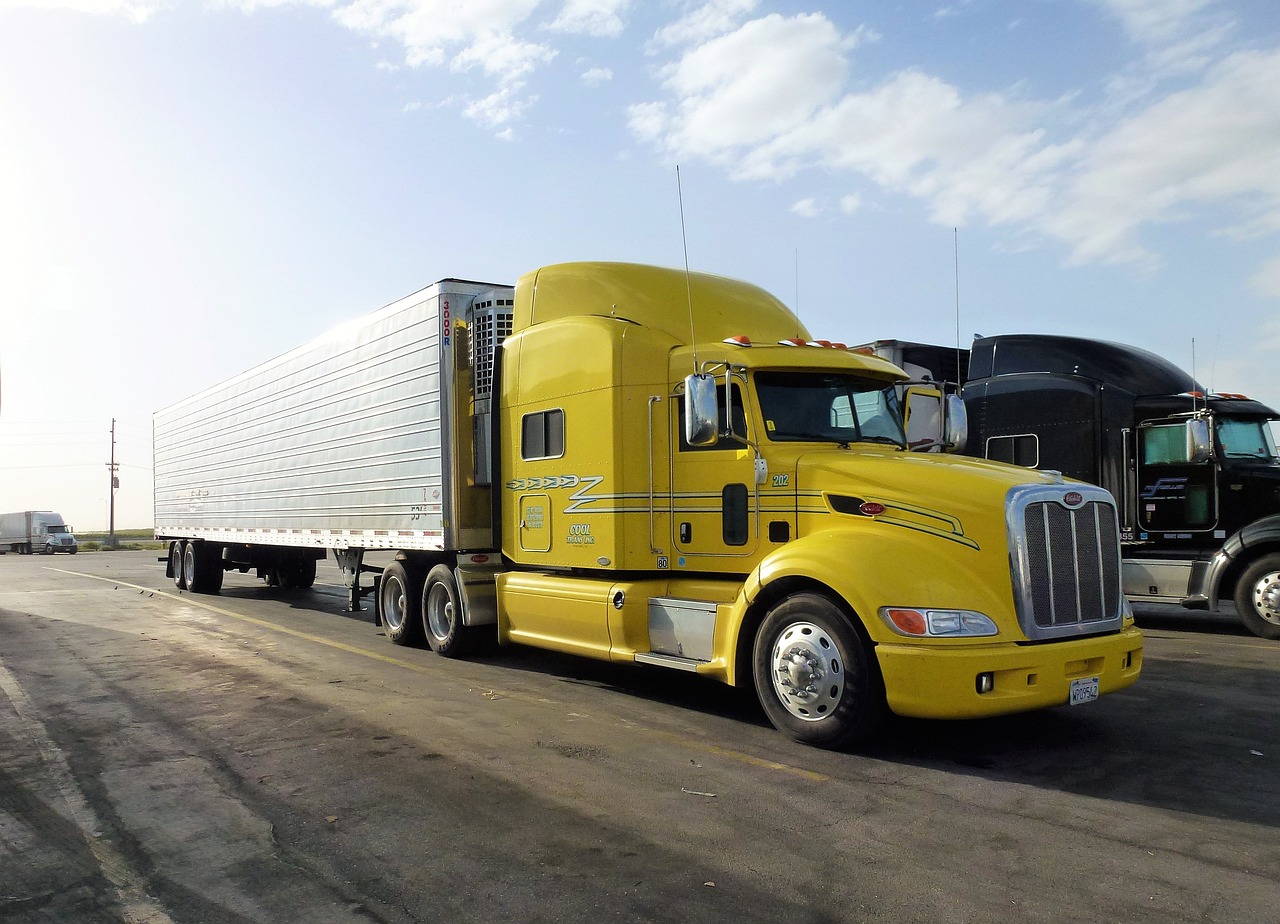
 Dry Van Insurance: Essential Protection for Every Mile
Is Your Dry Van Operation Truly Protected?
Dry van operators move the majority of the U.S.'s 10.93 billion tons of freight each year, according to the American Trucking Associations (ATA). While this represents massive opportunity, it also exposes operators to significant risks. In fact, nearly half a million large truck accidents are reported annually by the Federal Motor Carrier Safety Administration (FMCSA).
Whether you’re transporting high-value goods across state lines or delivering essential supplies locally, one accident, theft, or cargo loss could put your entire operation at risk. Without the right Dry Van Insurance, you may be jeopardizing more than just your trailers—you could be risking your business’s financial health.
Rising Risks for Dry Van Operators
As freight volumes grow, so do the associated risks. CargoNet recently reported a 15% spike in cargo theft, with dry vans being prime targets, particularly in high-theft areas like California and Texas. Electronics, apparel, and other consumer goods are frequently stolen, making cargo insurance essential—not optional.
Beyond theft, natural disasters like hurricanes, floods, and wildfires are becoming more frequent. As these events increase in intensity, climate-related risks are more significant than ever. Ensuring your policy covers weather-related damage is critical to protecting your fleet.
What is Dry Van Insurance?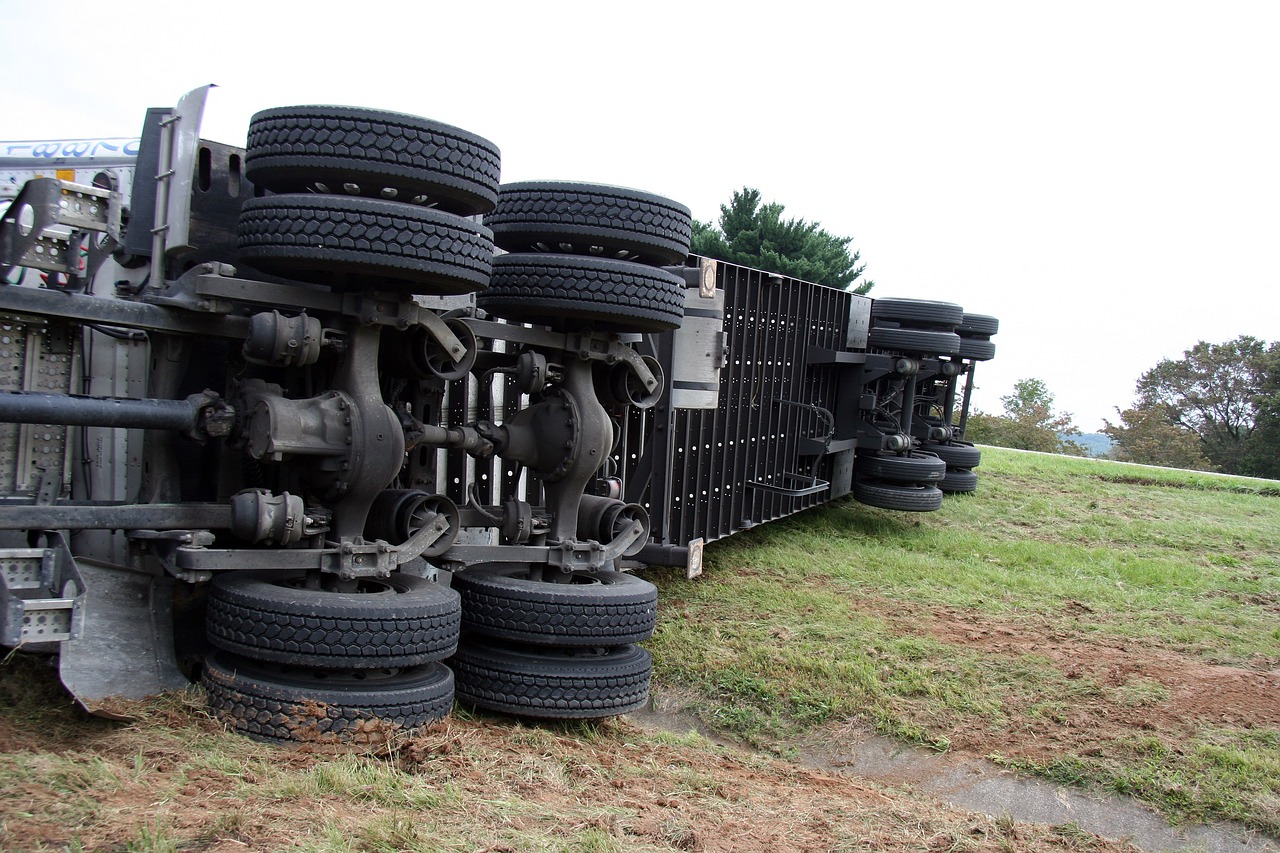
Dry van insurance is a specialized form of commercial coverage designed to protect both your trailers and the cargo they carry. Standard policies typically include:
How Dry Van Insurance Protects Your Business
Dry van operators face unique risks every day. Comprehensive insurance provides:
Complete Financial Protection: Coverage shields you from financial loss due to accidents, theft, or damage to your dry van or cargo.
Regulatory Compliance: FMCSA requires most carriers to have at least $750,000 in liability coverage, but higher limits may be necessary depending on the cargo. Dry van insurance ensures you meet both federal and state requirements, helping you avoid fines or operational shutdowns.
Cargo-Specific Coverage: With Motor Truck Cargo Insurance, you can tailor your coverage based on the value and type of goods transported, offering optimal protection.
Minimized Downtime: When accidents occur, dry van insurance enables fast repairs or replacements, minimizing downtime and keeping your operations running smoothly.
Tailoring Your Dry Van Insurance for Maximum Protection
Every dry van operation is different, so your insurance should be customized to reflect your specific risks. Consider these key factors when evaluating your policy:
- Cargo Type: Do you transport high-value items? If so, you may need higher limits on cargo insurance.
- High-Theft Areas: Operating in theft-prone regions like California or Texas? Prioritize theft coverage and consider telematics solutions for real-time tracking.
- Trailer Interchange: Involved in trailer interchange agreements? You’ll need Trailer Interchange Insurance to protect against liabilities when using trailers owned by other carriers.
Operators who also manage several trucks may benefit from exploring broader fleet auto insurance options to streamline protection across multiple vehicles.
 Leverage Technology to Reduce Risks and Premiums
Telematics and fleet management technologies are reshaping the trucking industry. GPS tracking, speed monitoring, and driver behavior analysis help reduce on-the-road risks. Many insurers even offer premium discounts to operators that implement these technologies, as they lower the chances of accidents and theft.
As logistics systems become increasingly digitized, cyber liability insurance is also becoming essential. Adding cyber coverage to your policy helps protect your business from digital threats, such as data breaches or system disruptions.
If you're unsure which protections best fit your transportation risks, discuss with an agent to explore tailored options for your operation.
Protect Your Fleet, Your Cargo, and Your Livelihood
Every mile you travel represents both opportunity and risk. Don’t leave your business exposed to the potential devastation of accidents, theft, or cargo damage. With comprehensive Dry Van Insurance, you’ll safeguard your fleet, meet regulatory requirements, and keep your operations moving, no matter what challenges arise on the road.
Frequently Asked Questions
What types of cargo are typically covered under dry van insurance?
Most policies cover general freight such as electronics, furniture, packaged goods, and apparel. High-value or hazardous items may require additional coverage.
Is physical damage to the trailer always included?
Physical damage coverage is common but not automatic. You may need to specifically request this coverage when building your policy.
Does dry van insurance cover weather-related damage?
Yes, many policies include protection against natural disasters like floods or hail, but it's important to verify specific exclusions with your provider.
Can I bundle dry van insurance with other commercial vehicle policies?
Yes, bundling with other commercial auto or fleet policies can often streamline coverage and may offer cost advantages.
What documentation is needed to prove compliance with FMCSA insurance rules?
You may need to provide proof of liability coverage that meets federal minimums, such as an MCS-90 endorsement or insurance certificate.
Still have questions? Talk to a local insurance expert.