Home >
Dump Trucks Insurance Guide >
Dump Trucks (Liability and Physical Damage)
This page is part of the broader Dump Trucks Insurance Guide, which aims to provide comprehensive insights into dump truck insurance needs. Here, we focus on essential coverage options, including Dump Trucks/Sand and Gravel Insurance, to protect your fleet and mitigate operational risks that can occur on the job.
Maximizing Your Investment: Comprehensive Dump Truck Insurance for Fleet Protection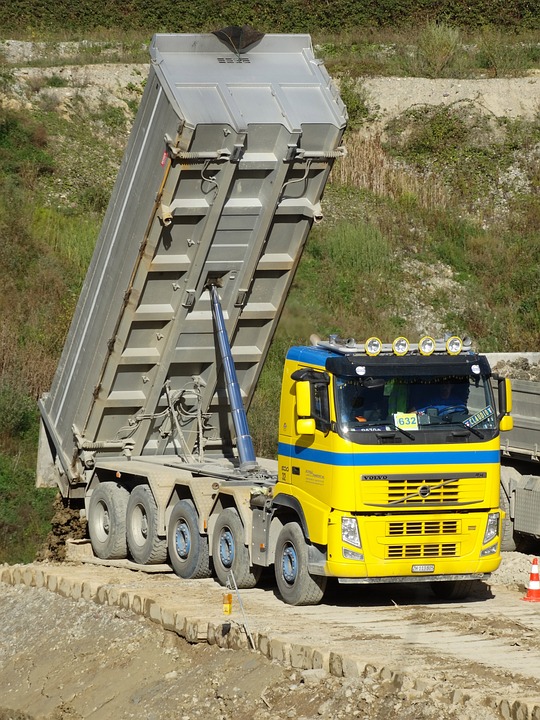
Running a successful dump truck operation comes with high risk—massive payloads, unpredictable job sites, and constant on-road exposure. Whether you’re hauling aggregates or moving heavy debris, the risks are real and constant. Without the right insurance, one bad day could bring your business to a standstill. That’s where Dump Truck Insurance steps in—especially Liability and Physical Damage Coverage. For a deeper look at tailored storefront options, see our Comprehensive Dump Truck Insurance for Fleet Protection page.
Given the substantial risks involved in handling heavy loads and navigating complex job sites, having robust insurance coverage is not just an option—it's a necessity for business continuity and compliance with industry regulations.
The Heavy-Duty Risks You Face
Dump trucks encounter daily operational hazards. Common risks include:
- Overloaded or Shifting Payloads: Unevenly loaded trucks can easily flip or jackknife on inclines, especially when hauling loose materials like gravel or sand.
- Construction Zone Accidents: Navigating tight corners, backing into blind spots, or rolling over uneven terrain increases the chances of incidents—whether it’s hitting equipment or colliding with another vehicle.
- Frequent Stops and Backups: Short, stop-and-go trips, especially in urban areas, make minor fender-benders more likely. Even a seemingly minor accident can lead to downtime and costly repairs.
Liability Insurance: Protecting Against Catastrophic Claims
Each trip on the road adds potential liability to your business. Liability coverage is crucial for safeguarding your fleet against financial losses due to accidents or other unforeseen events. Whether in a busy city or a rural construction site, accidents can lead to massive financial exposure.
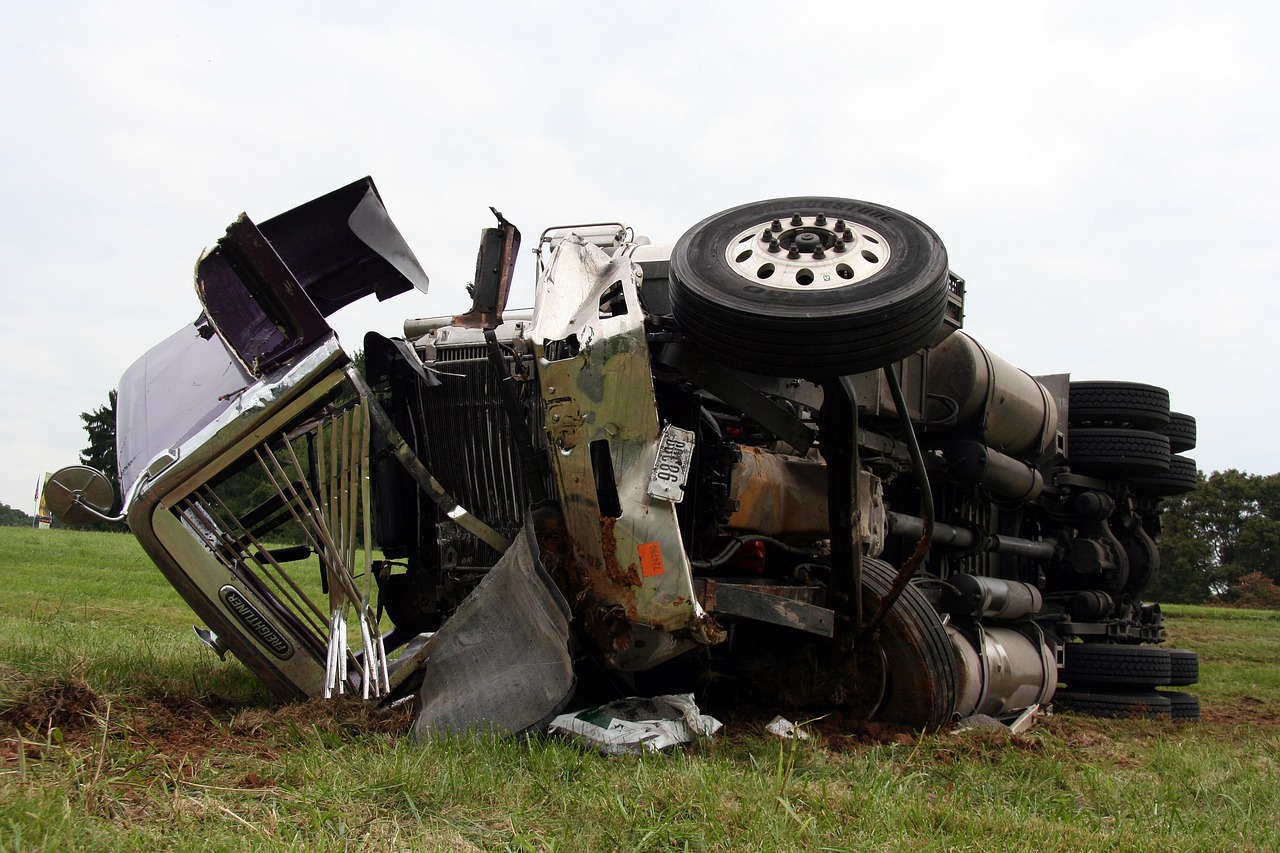 Here’s what it covers:
- Bodily Injury Liability: A rollover could leave drivers and passengers seriously injured, racking up enormous medical bills, lost wages, and even lawsuits. Bodily injury coverage helps protect your business from large claim settlements and defense costs.
- Property Damage Liability: Imagine your truck’s brakes fail while descending a steep grade, hitting parked vehicles or property. Property damage liability will cover the costs of repairing or replacing damaged vehicles or structures. In a heavy-duty industry, these costs add up fast.
With FMCSA statistics showing that severe truck-related accidents can escalate to $3.6 million in liabilities, adequate coverage is critical for your business's survival. Liability is part of a broader risk-management approach that also considers commercial liability exposures, underwriting factors, and job-site hazards.
Physical Damage Insurance: Protecting Your Rolling Assets
Your trucks are revenue generators, and one totaled truck could delay key contracts. Physical Damage Insurance protects your equipment from costly repairs or replacement, helping you avoid massive out-of-pocket costs. Equipment coverage and property coverage play a central role for contractors and heavy-equipment operators who rely on uptime.
This insurance includes:
- Collision Coverage: No matter who’s at fault, if your truck collides with another vehicle or object, collision coverage ensures you’re not left with the repair bills. Accidents in high-traffic areas or construction zones are common for dump trucks, and fixing a cab and chassis can easily cost tens of thousands of dollars.
- Comprehensive Coverage: Beyond accidents, dump trucks face the constant threat of damage from weather, fire, theft, or vandalism. With replacement costs reaching $200,000 or more, comprehensive coverage helps keep your balance sheet intact.
 Skimping on Coverage? A Risk You Can’t Afford
Cutting corners on insurance might seem tempting, but it could spell disaster. Minimal coverage leaves you exposed to six-figure repair bills and million-dollar lawsuits. Without comprehensive protection, theft or natural disasters could erase your profits.
While compliance is a necessary aspect, insurance ultimately serves as a vital safeguard for your business, shielding it from unforeseen risks and financial uncertainties. One uninsured accident could put your entire operation at risk. On the flip side, a solid policy shields your trucks, contracts, and financial future. Operators who haul materials like sand and gravel often need specialized terms — learn more about tailored options for those operations on our Dump Trucks/Sand and Gravel Insurance page.
If your work includes dumpster delivery or rental services, related liability and physical-damage exposures can differ; see our guidance on Dumpster Delivery & Rental Insurance: Why It's Critical for Your Business for specifics.
A typical risk scenario: a loaded truck shifts on a steep access road, causing a rollover that injures a worker and damages nearby equipment — this situation can trigger bodily injury, property damage, and significant repair bills all at once.
Dump Truck Insurance, with strong Liability and Physical Damage Coverage, is the proactive way to protect your investment. Get a free quote today, and ensure your fleet is ready for the road ahead.
Frequently Asked Questions
What types of businesses typically need dump truck insurance?
Contractors, haulers, demolition crews, dumpster-delivery services, and other operators that transport heavy materials or waste generally need both liability and physical damage coverage.
What’s the difference between liability and physical damage coverage?
Liability covers injuries and property damage you cause to others; physical damage (collision and comprehensive) covers repairs or replacement of your own vehicle after accidents, theft, weather, or vandalism.
Are there common exclusions I should watch for?
Typical exclusions include intentional damage, wear-and-tear, and some off-road uses or non-authorized drivers. Always review policy exclusions and underwriting factors with your broker or insurer.
Still have questions? Talk to a local insurance expert.