 Dumpster Delivery & Rental Insurance: Why It's Critical for Your Business
Imagine delivering a dumpster to a job site only to be hit with a $50,000 lawsuit because your delivery truck caused severe damage to a client’s driveway. For many dumpster rental companies, this nightmare becomes a costly reality without the proper insurance in place. The risks associated with dumpster rental and delivery are substantial, and without the right coverage, your business could face significant financial losses.
The Numbers Speak: Why Insurance is Critical
Consider these statistics:
- Small Business Trends reports that 43% of small businesses experience some form of litigation annually.
- The U.S. Environmental Protection Agency (EPA) reveals mishandling hazardous materials can result in clean-up costs ranging from $10,000 to over $1 million per incident, depending on the severity.
When you factor in the growing risks and costs of litigation and environmental liability, it becomes clear why Dumpster Delivery Insurance is not just an option, but a necessity for dumpster rental companies.
From property damage to pollution liability and workplace injuries, these insurance policies ensure that your business is shielded from crippling costs.
What Does Dumpster Delivery & Rental Insurance Cover?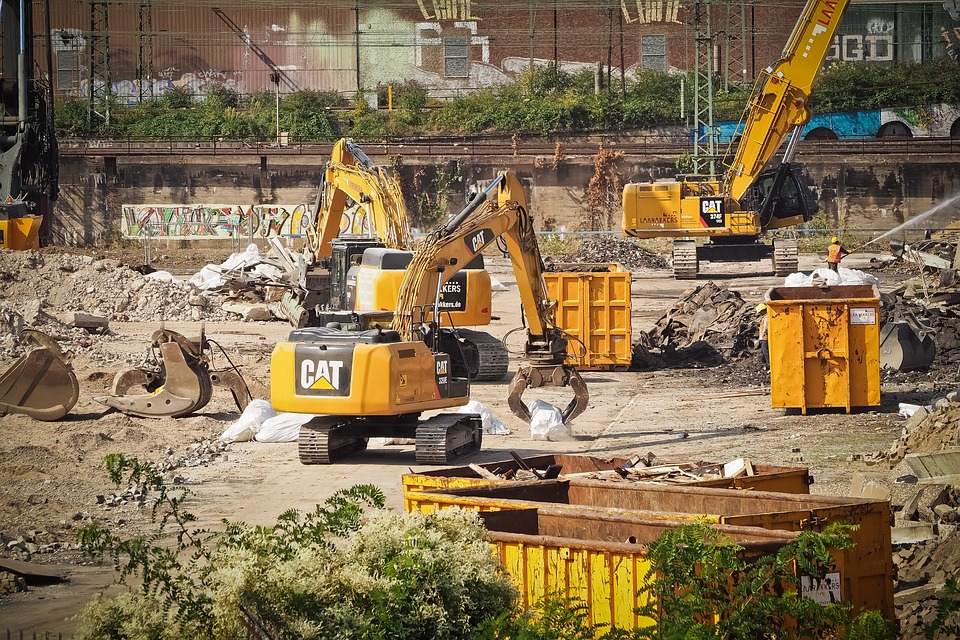
- General Liability Insurance: Shields your business from financial loss due to claims of bodily injury, property damage, or other third-party allegations.
- Commercial Auto Insurance: Dumpster delivery relies on large trucks. Guards against financial losses and liabilities stemming from accidents, collisions, or other incidents involving your company's fleet of vehicles. The National Highway Traffic Safety Administration (NHTSA) reports nearly 500,000 truck-related accidents annually in the U.S., underscoring the need for coverage.
- Pollution Liability Insurance: As hazardous substances are frequently handled in waste disposal, this coverage protects against environmental damage and cleanup costs if hazardous materials are mishandled.
- Workers' Compensation: The waste management industry averages 1,300 accidents annually, resulting in 70 fatalities and 1,200 injuries, according to the National Waste & Recycling Association. If your employees are injured or become ill due to their job, workers' compensation insurance helps cover their medical bills and replaces their lost earnings while they're unable to work.
- Equipment Insurance: Dumpsters and transport equipment are valuable assets. Equipment insurance covers theft, damage, or vandalism, helping you quickly replace damaged or stolen dumpsters and minimize revenue loss.
For operators managing multiple job-site locations or servicing large-scale demolition projects, additional endorsements may be considered to address specific liability exposures or commercial property risks.
Expanding Market and Increasing Risks in the Dumpster Rental Sector
The dumpster rental market is booming, fueled by increased construction, renovations, and clean-up services. With this growth, however, comes heightened risks—more deliveries, more waste handling, and an increased chance of accidents and property damage. As the dumpster rental industry continues to grow and change, insurance becomes a critical component of risk management.
Operators, contractors, and waste service providers must stay prepared for operational hazards, including damage during delivery, mechanical failures, or customer misuse of rented dumpsters. Having the right insurance in place helps maintain business continuity and protect long-term investments.
For more on how to protect your fleet and manage transportation risks, see Comprehensive Dump Truck Insurance for Fleet Protection.
Building Trust with Clients
Clients are more likely to trust a fully insured dumpster rental company. Carrying proper insurance not only protects your business but reassures clients that they won’t be left covering damages if something goes wrong. Proof of insurance can set you apart from competitors, increase client confidence, and secure more business.
Learn more about full protection for waste-related operations at Recycling Insurance: Because One Man’s Trash Shouldn’t Become Your Liability.
Steps to Optimize Your Dumpster Rental Insurance Coverage
- Risk Assessment: Evaluate your business risks—high-traffic delivery zones, dumpster types, and client profiles can all affect your coverage needs.
- Work with an Industry-Specific Broker: Specialized insurance brokers understand the unique liabilities related to dumpster rental and delivery. They’ll tailor your coverage to ensure all bases are covered.
- Regularly Policy Reviews: Periodic Insurance Assessments: As your business grows and changes, your insurance requirements also shift, making regular evaluations essential to ensure adequate coverage. Whether you add more trucks, expand services, or take on larger clients, make sure your coverage stays up to date.
Bundle Insurance Policies for Savings
Dumpster rental businesses can save on premiums by bundling key insurance policies, such as general liability, commercial auto, and equipment coverage, with a single provider. Consolidating your insurance policies into a bundle can greatly simplify the management process and create a more cohesive and efficient coverage framework.
Don't wait until a costly incident occurs. Protect your dumpster rental business today with Dumpster Delivery Insurance. Contact our specialized insurance brokers to secure the right policies, bundle for savings, and regularly review your coverage to ensure you're always protected.
Frequently Asked Questions
What types of accidents are covered under dumpster rental insurance?
Coverage typically includes property damage, bodily injury, environmental cleanup, and auto-related incidents involving delivery trucks.
Who needs dumpster delivery insurance?
Contractors, waste management companies, independent haulers, and dumpster rental operators benefit from this coverage to protect against operational and liability risks.
Is pollution liability always included?
Not always. Pollution liability is often offered as an add-on or separate policy, especially when handling hazardous waste or operating in environmentally sensitive areas.
How does bundling insurance policies help?
Bundling allows businesses to streamline policy management, reduce administrative costs, and often access discounted premiums for combined coverage types.
How often should I review my insurance coverage?
At least annually, or whenever your operations expand—such as adding trucks, increasing job sites, or offering new services.
Still have questions? Talk to a local insurance expert.