 Whether you own or are in a management position at a Grocery Store, Convenience Store or any sort of grocery/convenience related retail outlet, you must be educated on the different forms of insurance available to mitigate business risk. Read on below or contact a local insurance agent to help you.
Which Types of Insurance Do Grocery/Convenience Stores Need?
Property
You can't operate without property insurance. The store is old and there are more than a few projects that need to be done. The building requires a lot of maintenance to keep it running like it should. You don't want to have to pay out-of-pocket every time you need to replace lights, cash registers, or the roof. You need to have adequate property insurance if you want your grocery store to stay open.
General Liability
This covers bodily injuries and damages caused by you, your business, and your employees. If visitors are injured at your store, you need to know that you have insurance that can pay out those claims. Obviously, you have to do this before, not after disaster strikes.
Loss of Income
At times, you may need to shut down your store, or at least a portion of it, for renovations or for security and health reasons. When this happens, you won't be able to make as much money as you were when the store was operating at full capacity. You can't afford to go weeks or months without a paycheck. The store needs cash on hand to pay bills and payroll. If you have loss of income insurance, your carrier will pay you for lost wages associated with covered claims. For example, if your freezers shut down and they all need to be replaced, one of you insurance policies will kick in to replace the freezers (as long as you have that insurance in place and the freezers are covered), and the loss of income insurance will also start to pay you to reimburse you and the store for what you would have made if the freezers were working properly.
Cyber Security
It's 2017, you ignore social media and the internet at your own peril. Most grocery stores have websites, social media profiles, and may even allow customers to order products online and pick them up later or have their groceries delivered to their homes. The internet can both help and hurt your business. Hackers can break into your computers, steal credit card numbers, manipulate information, and wreak havoc on your store if you aren't careful. They can also go online and attack your social media accounts in an attempt to hurt your reputation. You have to protect your online presence in today's digital world. Cyber security and identity theft insurance can help.
Food Spoilage
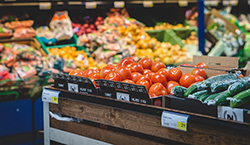 Grocery stores in the business of storing and selling food. Food spoilage is unavoidable. You won't be able to sell all of your products, and even if you did, customers may bring it back because it's not the quality they expected. You can withstand these losses for only so long. Without insurance, these costs will start to add up. Food spoilage insurance will give you an extra financial cushion, and will help you breathe easier when you're forced to throw out rotten, spoiled food. Grocery stores in the business of storing and selling food. Food spoilage is unavoidable. You won't be able to sell all of your products, and even if you did, customers may bring it back because it's not the quality they expected. You can withstand these losses for only so long. Without insurance, these costs will start to add up. Food spoilage insurance will give you an extra financial cushion, and will help you breathe easier when you're forced to throw out rotten, spoiled food.
Equipment
Power surges and mechanical breakdown can occur without warning. At home, this may not be an urgent problem, but in a grocery store it is. Food will spoil if it's not properly refrigerated and customers will go elsewhere if your store and its equipment are falling apart. You can't let that happen, you must buy equipment breakdown insurance to ensure you can repair and replace expensive machinery as quickly as possible.
Advertising
Marketing and advertising matter in the world of retail. You may have a specific theme song, store mascot, or products that you make in-house and sell. You need to make sure someone else, especially one of your competitors, doesn't attempt to steal or reproduce your advertising and marketing ideas. Protect your reputation and make sure you have advertising and intellectual property insurance.
Product Liability
More and more grocery stores are making and selling their own products. This is great, and can result in substantial margins, but you need to be aware of the risks. If someone becomes sick after eating food you made, or injures themselves while using one of your products, you could be sued for expensive damages. Product liability insurance will protect you if your customers sue you and argue that your products caused them harm.
Workers Compensation.
In most states, with few exceptions, you must provide workers' compensation insurance. This will cover your employees' medical costs, lost wages, and disability benefits if they are injured within the course and scope of their work.
Liquor Liability
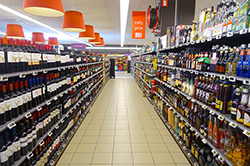 Don't plan on selling liquor without liquor liability insurance. You don't want someone to accuse you that they were arrested for a DUI because you sold them alcohol when they were already drunk. You also don't want to be on the hook for any injuries or damages that were caused by a person who purchased liquor in your store. Don't plan on selling liquor without liquor liability insurance. You don't want someone to accuse you that they were arrested for a DUI because you sold them alcohol when they were already drunk. You also don't want to be on the hook for any injuries or damages that were caused by a person who purchased liquor in your store.
Employment Practices Liability Coverage
If one of your employees accuses you of harassment or discrimination, employment practices and liability coverage will help offset the legal costs and any damages associated with a lawsuit of this kind.
Medical Insurance
If you employ 50 or more full-time workers, you're legally required to provide them with medical insurance. Make sure you have a medical plan in place and that you make room for these expenses in your budget.
Commercial Auto Insurance
Do you deliver groceries to customers? What about flowers? Do any of your employees drive company vehicles? If you answered yes to any of these questions, then you need commercial auto insurance. When your employees drive a car to further the purposes of your store, they won't be covered by their individual automobile insurance. If they damage another person's car or injure someone else, you and the store could be liable. Before you allow anyone to drive a company truck or run an errand for the company, make sure you have a commercial auto insurance plan in place.
Data Compromise Coverage
When your data is compromised at your store, you need to act and fast. In recent years, the instances of hackers and criminals stealing credit card data and sensitive information from stores has been all over the news. When this happens, your store will be expected to pay for the costs associated with cleaning up the mess. Data compromise coverage will take care of the money you otherwise would have spent notifying customers, establishing credit monitoring services, and repairing your company's security systems to prevent similar occurrences in the future.
What are the Most Overlooked Issues for Grocery Stores?
Disruptions in your supply chain
You can do everything perfect on your end, but if your suppliers don't perform, you won't be able to stay open. Grocery stores can't gamble on unreliable suppliers. You have to use due diligence to find only the most dependable colleagues, but even if you do that, no one is immune from mistakes and disasters. Make sure you have the proper insurance to minimize the damage caused by disruptions in your supply chain.
Intellectual Property Fraud
If you make your own products, as more and more grocery stores are doing these days, you have to protect your intellectual property rights. Your advertising, marketing, and branding must be protected from fraud.
Government and Regulatory Shutdown
 Federal, state, and local laws can change by the day. When they do, they could require you to make repairs, acquire licenses, or provide your employees with additional benefits that you weren't anticipating. Make sure you have a significant amount of money set aside and the proper insurance in place to protect your grocery store's interests when new laws are enacted. Federal, state, and local laws can change by the day. When they do, they could require you to make repairs, acquire licenses, or provide your employees with additional benefits that you weren't anticipating. Make sure you have a significant amount of money set aside and the proper insurance in place to protect your grocery store's interests when new laws are enacted.
Crime or Fidelity Insurance
You must prepare for losses related to theft, robbery, and burglary. Grocery stores are frequently broken into and vandalized. Disgruntled employees may want to harm you or store by stealing or destroying your inventory. Crime or fidelity insurance will help you pay for losses that occur due to credit card fraud and forgery, employee dishonesty, theft, and many other crimes.
Utility Interruption
Utility interruption insurance will help you offset your expenses when a public utility, such as water, natural gas, or electricity, is cut off to your store and causes damages to your store. You don't know when the electrical grid will fail or when gas lines will run into a problem. If these are shut off for long periods of time, they could cause significant disruptions in your sales and the storage of your food.
What's the Future of Grocery Store Insurance?
In the past, insurance options for grocery stores were limited. You could find general liability and property insurance without much of a problem, but it was difficult to locate plans that were specifically designed for the needs that are unique to grocery stores. If you could find them, they were often too expensive for you to afford. Most of the time, if your food spoiled or if your equipment broke, you had to foot the bill.
 Today, underwriters are working with grocery stores to better understand the risks associated with this type of business. They are rolling out plans for large, national stores, as well as more affordable policies for family-owned stores. They are talking to grocery store owners, employees, shoppers, vendors, and many other professionals to get a better insight into which insurance policies work and which ones don't. It's a work in progress, but the insurance offered today is much better than what was available in the past.
In the future, insurance companies will need to be on the lookout for new risks and potential pitfalls. Changes in the economy, government, health care, and in the everyday lives of shoppers will determine which types of insurance will be sold and at what price. Consumers, managers, store owners, and suppliers will need to work with insurance companies to create affordable, efficient, and practical insurance policies. If they cooperate, the future of grocery store insurance is bright, and should cater to owners' diverse needs.
When you meet with the store owner, you tell him that he may not need all the insurance listed above, but you make it clear to him that he will likely need several. You go explain the benefits and costs associated with each type of insurance. You try to be as informative as possible. You don't want to panic him, but you also don't want to sugar coat the situation either. Your boss assigned you with this task, and you want to make sure he knows what he needs to know to insure the store and keep it open well into the future.
After nearly an hour with the store owner, he stops you and tells you that he has another meeting to attend. He thanks you for your hard work and gives you a pat on the back. He's pleased with your report and assures you he has all of the information he needs to make a decision.
The insurance market is complicated, and it's only likely to become more convoluted in the future. Although it takes a lot of work to understand and the premiums start to add up, it's at least good to know that grocery stores don't have to face the risks and dangers alone. Affordable insurance coverage is out there and it could be the difference between whether your doors stay open or you're forced to close. If you own or manage a grocery store, don't downplay the importance of insurance. Do the research, run the numbers, and buy the insurance that's right for you and your company.
|
|