Home >
Halfway Houses Insurance Guide >
Halfway Houses
This page is part of the broader Halfway Houses Insurance Guide, which offers insights into the specialized coverage needed for operating halfway houses. Here, you'll learn about how Halfway House Errors and Omissions insurance and Halfway House/Shelter insurance can protect your organization from unique risks and liabilities.
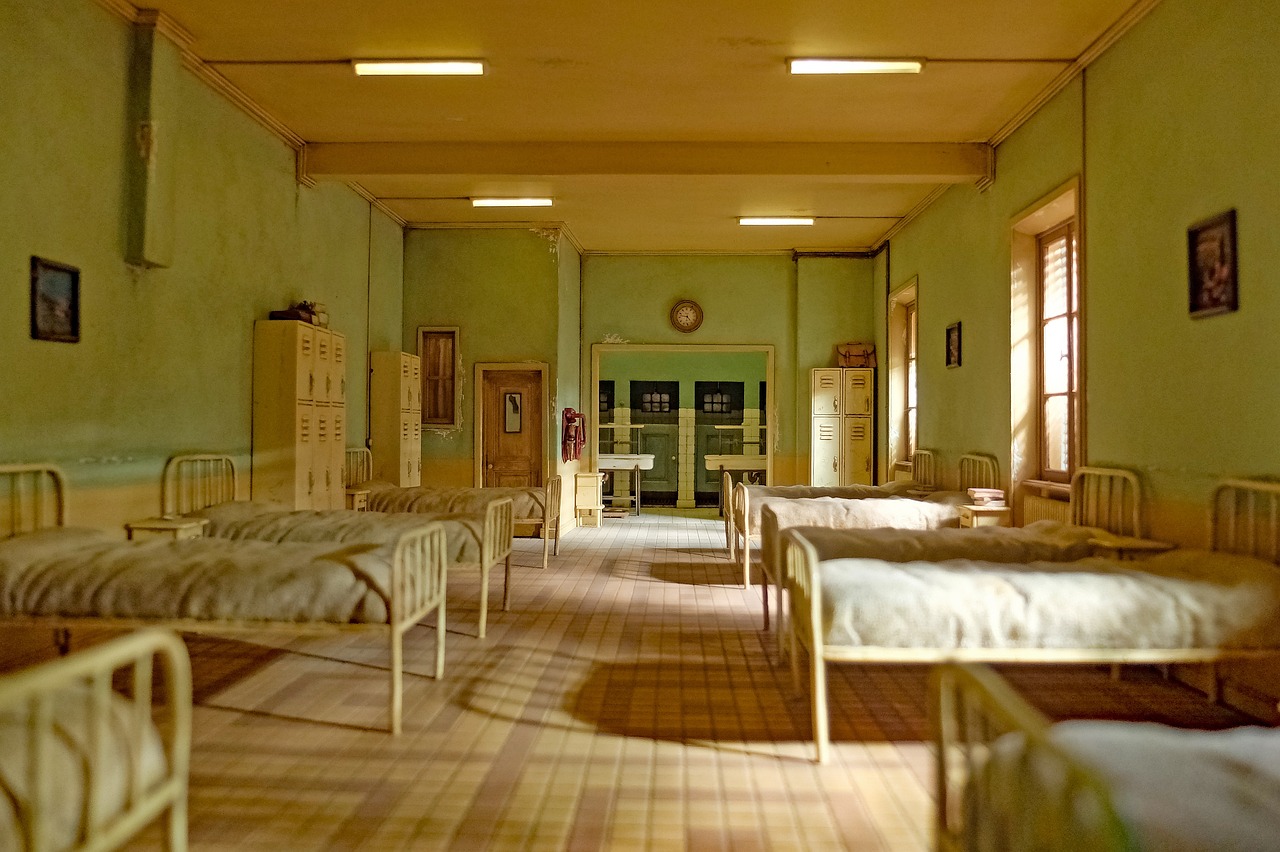 Where Compassion Meets Risk: Specialized Halfway Houses Insurance for Unrivaled Protection
Operating a halfway house is more than just providing shelter—it’s about guiding individuals through critical transitions. However, one incident or oversight can disrupt your entire operation. The risks are real and require serious attention.
Every halfway house faces unique challenges, from compliance issues to resident-related incidents. This is why specialized Halfway House Insurance is not merely optional; it's essential.
Unlike standard business insurance, this coverage is tailored to protect the specific risks halfway houses encounter. It’s not just about damage—it’s about safeguarding your mission, your team, and the individuals you serve.
The Hidden Risks You’re Likely Overlooking
1. Resident Safety and Liability
Halfway houses serve vulnerable individuals—those dealing with recovery, trauma, or reentry from incarceration. These challenges bring increased liability. Injuries from altercations or accidents can lead to costly lawsuits. Standard liability insurance often overlooks key exposures.
Imagine this: A resident is injured during a group activity due to a known hazard. Without proper residential liability insurance, your facility could face major legal and medical expenses.
Did you know? A study of community-based rehabilitation programs found that facilities without comprehensive insurance faced a 27% increase in legal disputes over three years—primarily due to inadequate liability coverage.
2. Property Damage and Vandalism
Serving high-needs populations can lead to an increased risk of property damage—from resident altercations to accidental breakage. Your insurance must protect against internal incidents and external events like fires, floods, or theft.
Real-Life Example: A halfway house in a flood-prone area failed to get flood coverage. After a major storm, water damage forced evacuations, caused months of downtime, and led to a 45% revenue drop the following quarter.
3. Staff Protection
The staff in halfway houses face both physical and emotional risks. Whether managing a crisis or supporting residents in trauma recovery, the risk of injury and burnout is high. Workers’ compensation insurance is vital to protect your team.
- Physical injuries: From restraining residents to accidental harm during activities.
- Emotional stress: Compassion fatigue and mental strain are common in high-stress environments.
4. Regulatory Compliance and Errors
Halfway houses must follow strict regulations. A mistake—whether in documentation, zoning, or staffing—can result in fines or shutdowns. Professional liability insurance can help cover legal costs if a compliance error triggers enforcement action.
What Makes Halfway House Insurance Different?
Generic commercial policies often lack the detail and coverage halfway houses need.
Some coverage options to consider include:
- Aging infrastructure: Older buildings are common and often don’t meet modern standards. Insurance should reflect that.
- Security systems: Added safeguards like surveillance cameras or security personnel may require enhanced coverage.
Beyond general liability, consider:
- Substance abuse liability: Protection in case of relapse or overdose incidents.
- Criminal activity: If a resident commits a crime, your facility could be held liable. Specialized policies can help manage this risk.
Facilities with criminal activity liability insurance report 35% fewer financial losses compared to those with basic coverage.
Building the Right Insurance Package for Your Halfway House
A strong insurance plan goes beyond cost—it’s about matching policies to your risk profile. Here’s how to start:
1. Assess Your Risks
Conduct a full risk assessment. Consider your residents’ needs, building conditions, location risks, and staff safety concerns. Knowing your exposures helps you choose the right protections.
2. Work with an Experienced Broker
Choose a broker who understands rehabilitation or social service organizations. They’ll help tailor your package to meet both operational and regulatory needs.
3. Bundle Policies for Better Coverage
Combining property, liability, and workers’ comp coverage often yields better protection—and cost efficiency.
4. Add-Ons for Specific Risks
Consider optional protections such as mental health support for staff or added liability for substance-related incidents.
The Takeaway: Protect Your Mission, Not Just Your Property
Running a halfway house is about more than bricks and mortar—it’s about supporting recovery and reintegration. Your insurance should reflect that commitment by protecting your people, operations, and purpose.
Halfway House insurance is a key strategy—not just a safeguard. Get tailored protection to support your mission today.
Frequently Asked Questions
What does halfway house insurance typically cover?
It generally includes liability protection, property damage, workers’ compensation, and specialized coverage for substance abuse or criminal incidents.
Is general liability insurance enough for a halfway house?
Not usually. General liability may miss key risks like resident-related incidents, regulatory errors, and staff injuries. Specialized coverage is recommended.
Do I need insurance if I rent the halfway house facility?
Yes. Even if you don’t own the property, you’re still liable for resident safety, staff injuries, and operational risks.
What factors influence the cost of halfway house insurance?
Costs vary based on location, services provided, building condition, resident population, and claim history.
How can I get a quote for halfway house insurance?
You can start your custom quote process by visiting this link.
Still have questions? Talk to a local insurance expert.