Home >
Ice Rinks Insurance Guide >
Ice Skating Rinks
This page is part of the broader Ice Rinks Insurance Guide, which covers essential insurance considerations for ice rink operators. Understanding your coverage options is key to effectively managing risks in your ice rink operations, including those outlined in related pages like Ice Rink Owners/Operators Insurance.
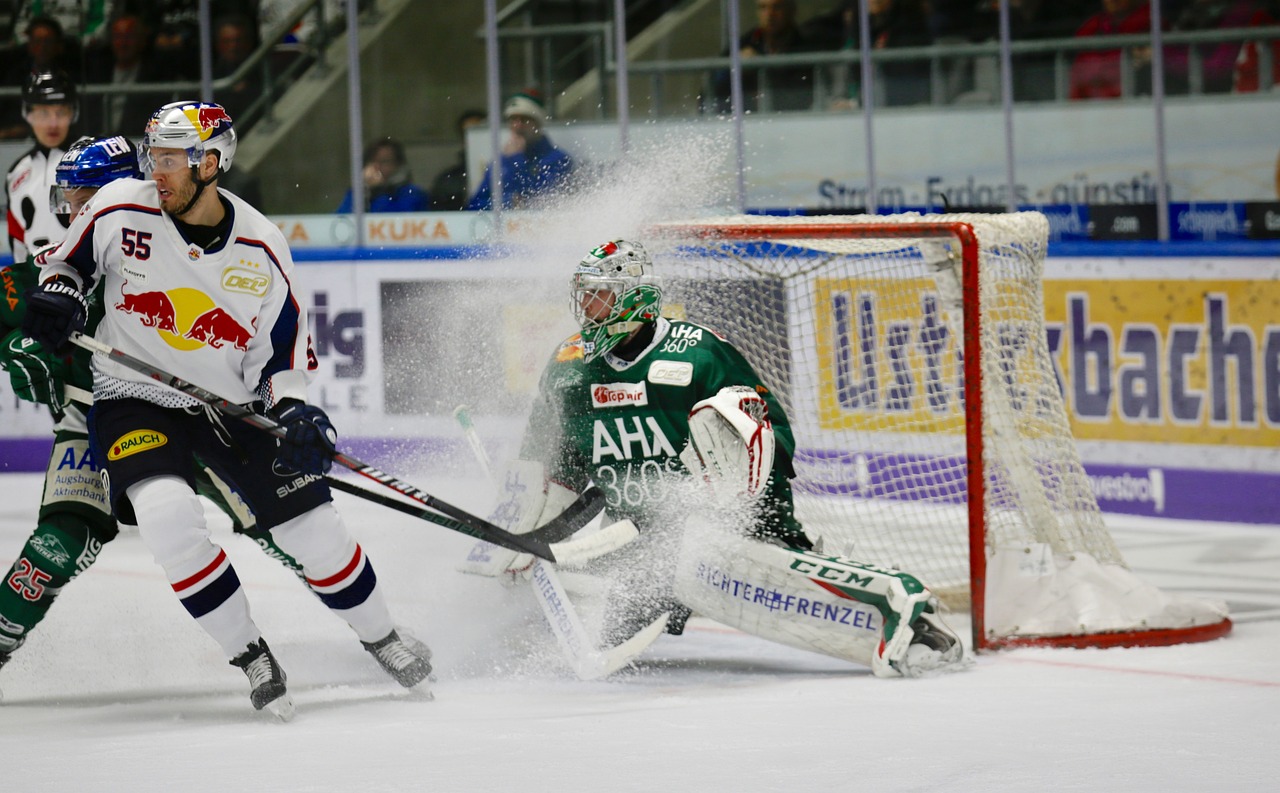 Ice Rink Insurance: A Comprehensive Guide for Arena Managers and Operators
Operating an ice rink involves a blend of precision, management, and risk mitigation. From ensuring the ice is in perfect condition to managing large events, every aspect of rink operations comes with its own set of risks. Comprehensive insurance coverage is essential to safeguard your business against unforeseen incidents and potential financial losses.
Ice rinks can face job site risks such as injuries from skate blade incidents or spectator hazards, plus environmental handling considerations for ice maintenance and rink operations.
Key Risks in Ice Rink Operations
Ice rinks are bustling environments with specific risks, including:
- Ice Surface Defects
- Skate Blade Injuries
- Equipment Malfunctions
- Spectator Hazards
- Event-Specific Risks
Commercial ice rinks often have more complex insurance needs due to their multiple revenue streams, such as:
- Ice rental and facility management
- Hockey and figure skating programs
- Public skating sessions and events
- Food and beverage sales
- Birthday parties and group bookings
Each revenue stream adds layers of complexity, requiring tailored Ice Rinks Insurance coverage to address specific risks. A comprehensive insurance program can help protect commercial ice rinks from these varied exposures; see more detail in our Skating Rink Insurance resource.
 Core Insurance Coverages for Ice Skating Rinks
General Liability
Commercial Property
Equipment Breakdown
Business Interruption
Workers' Compensation
Importance of Specialized Coverages for Rink Owners
Rink owners may face liability for incidents involving athletes and participants, even if these individuals have their own insurance. Specialized coverages offer critical protection:
- Event Liability Insurance (ELI)
- Participant Accident Insurance (PAI)
- Sports Liability Insurance (SLI)
Beyond those core and specialized policies, operators should consider related coverage types such as commercial liability for third‑party claims, property coverage for rink infrastructure, equipment coverage for resurfacers and refrigeration systems, and commercial auto exposure for team or delivery vehicles. These options help address underwriting factors, common exclusions, and liability exposures that vary by facility size and use. For rink owners and managers looking for tailored guidance, review our Ice Rink Owners/Operators Insurance page.
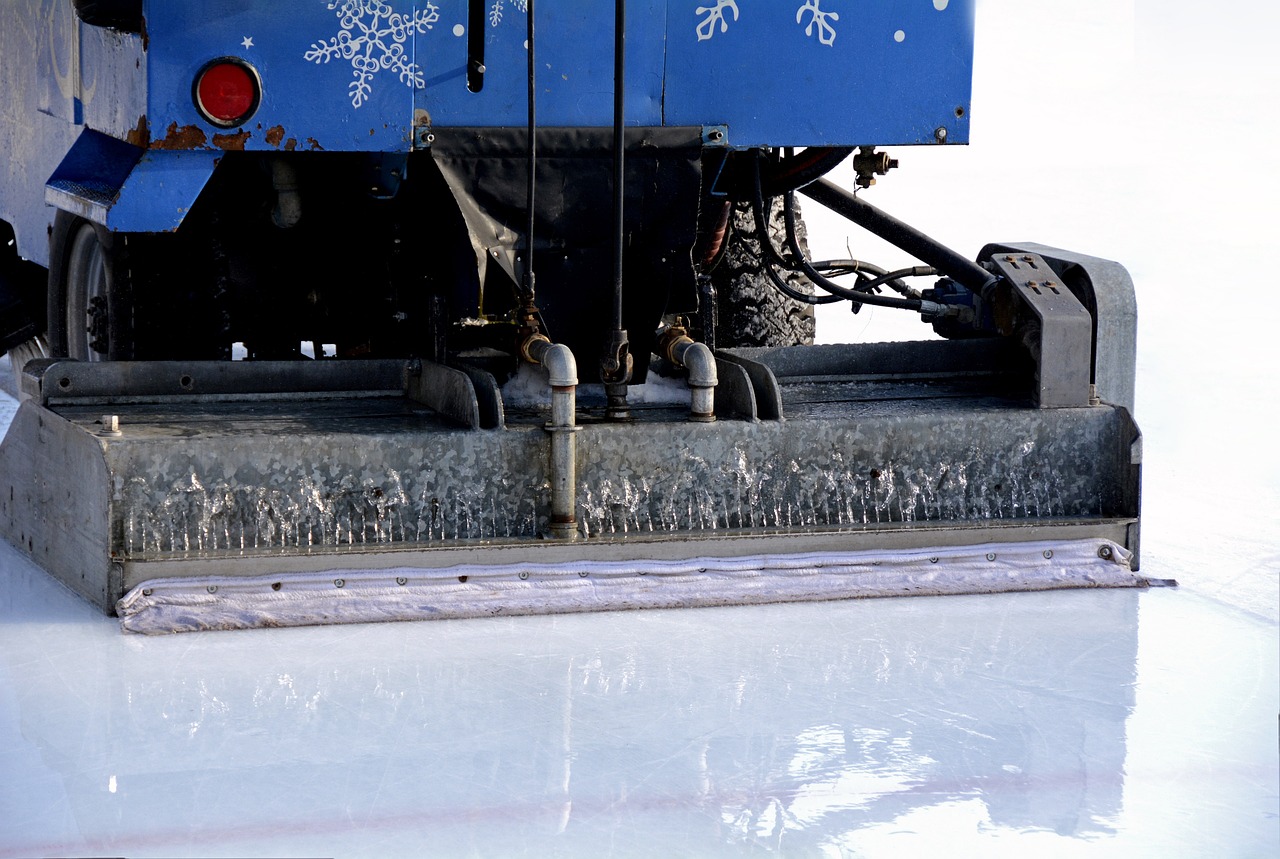
Risk scenario example: a resurfacer malfunction during a busy public skate can cause property damage, lead to customer injuries, and interrupt operations — highlighting the value of equipment breakdown and business interruption coverage.
Additional Coverages:
- Commercial Auto
- Cyber Liability
- Special Event
- Liquor Liability
- Umbrella/Excess Insurance
Key Risk Management Practices
- Ice Quality Control
- Safety Protocols
- Equipment Maintenance
- Incident Reporting
Cut costs, not coverage. Our customized Ice-Skating Rink insurance solutions can help you save without sacrificing protection. Contact us today to tailor your insurance package to your rink’s needs!
Frequently Asked Questions
What does ice rink insurance typically cover?
Typical coverage includes general liability, commercial property, equipment breakdown, business interruption, and workers' compensation. Depending on operations you may also need event liability, participant accident coverage, and commercial auto protection.
Do I need Participant Accident Insurance if skaters have personal insurance?
Participant Accident Insurance helps fill gaps when individuals' personal policies don’t cover certain medical bills or when the facility faces related liability claims. It’s a common addition for rinks that host programs, lessons, or tournaments.
How can rink operators reduce insurance risk and premiums?
Maintain regular equipment servicing, document ice‑quality and safety protocols, train staff on incident reporting, and separate high‑risk activities (like public skate vs. competitive events). Underwriters consider these risk management practices when quoting coverage.
Still have questions? Talk to a local insurance expert.