Home >
Landscaping Service Business Insurance >
Landscaping Contractors Insurance
Landscaping Contractors Insurance
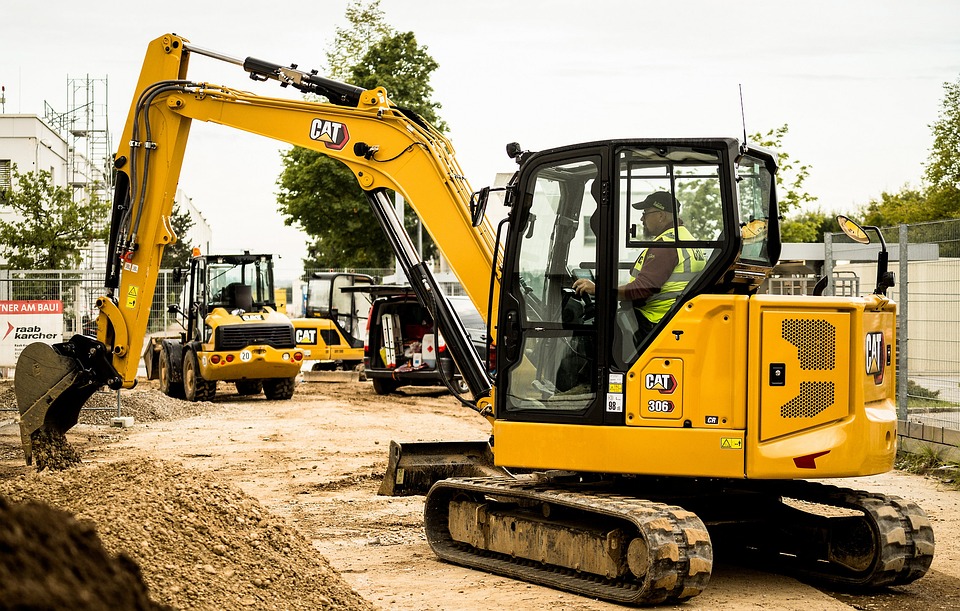 Landscaping contractors face a wide range of business risks that can lead to expensive claims, delayed projects, damaged equipment, or lost contracts. Whether you maintain residential properties, manage commercial grounds, install irrigation, build hardscape features, or handle larger design-build jobs, the right insurance program helps protect your business, your reputation, your equipment, and your long-term growth.
This page serves as a broad guide to landscaping contractors insurance. Most landscaping businesses need more than one policy. The right insurance structure often includes liability protection, employee injury coverage, auto coverage, equipment protection, and in some cases professional liability or pollution-related coverage depending on the services provided.
If you are comparing options for landscaping business insurance, landscaping company insurance, or landscape contractor insurance, this page gives you the big picture and helps connect you to the specific coverages that matter most.
Request a quote or review the main coverage areas below.
Who Needs Landscaping Contractors Insurance
Insurance needs can vary depending on the size of the company, the type of customers served, and whether the business performs basic maintenance work or more complex installations. Businesses that often need landscaping insurance include:
- Residential landscaping contractors
- Commercial landscaping and grounds-maintenance companies
- Landscape design-build firms
- Irrigation and drainage contractors
- Hardscape and light-construction landscapers
- Tree and planting service operators
- Landscape architects and design professionals
- Multi-crew landscapers using trucks, trailers, and mobile equipment
Why Landscaping Contractors Need Insurance
In landscaping, even routine work can create real exposure. Crews work around customer property, use power tools and heavy equipment, transport machinery between jobs, and often perform physically demanding work outdoors. A single loss can create serious financial pressure.
Common claim scenarios include:
- Property damage caused by mowers, trimmers, trenchers, or excavation equipment
- Third-party bodily injury at a work site
- Employee injuries involving equipment, lifting, slips, falls, or weather conditions
- Auto accidents involving trucks, vans, or trailers
- Theft or damage involving tools and mobile equipment
- Design, specification, or service disputes with clients
- Chemical drift, overspray, runoff, or other environmental claims
Because landscaping operations vary so much, buyers often need a coordinated insurance program rather than a one-policy solution.
How Landscaping Contractors Insurance Protects Your Business
Landscaping may look straightforward from the outside, but the risk profile is broader than many buyers expect. Below are some of the main coverage areas landscaping contractors often consider:
1. Equipment and Mobile Property Coverage: Keep Your Tools Working
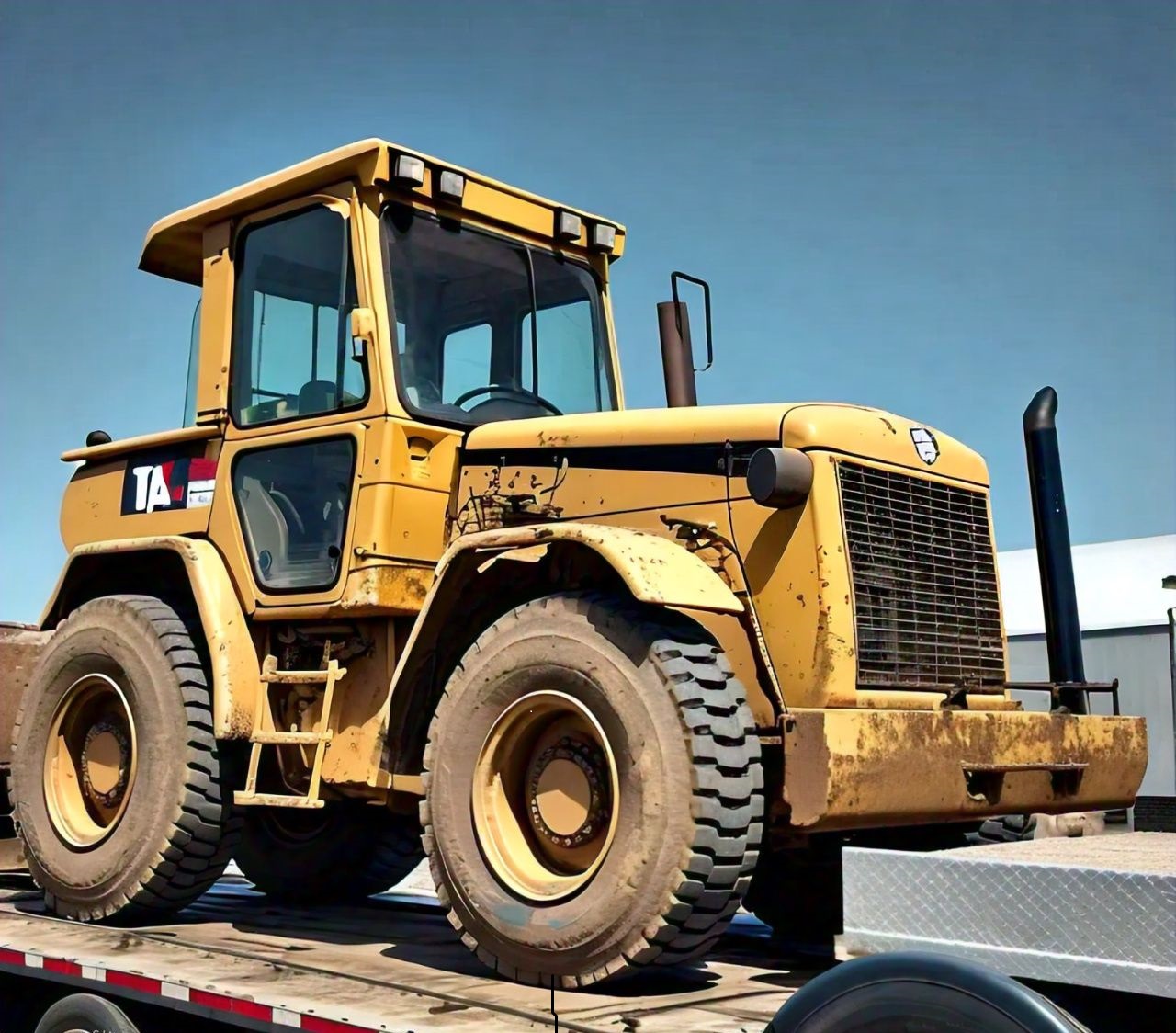
Landscapers depend on mowers, blowers, trailers, trenchers, compact loaders, and specialized tools every day. When equipment is stolen, damaged, or breaks down, the result may be more than repair cost alone. It can also mean missed revenue, delayed contracts, and downtime. Businesses with tools and machinery moving between locations often review inland marine insurance for landscapers along with other property-related coverages.
2. Workers Compensation: Protect Your Crew
The physical demands of landscaping work create a high-risk environment for employee injury. Workers lift heavy materials, operate machinery, load trailers, work in heat, and handle sharp or motorized tools. Workers compensation insurance for landscaping businesses helps cover medical expenses, wage replacement, and job-related injury claims involving employees.
3. General Liability Coverage: Protect Your Reputation
Landscaping means working on other people’s property, often around customers, tenants, neighbors, or the public. If a mower throws debris through a window, irrigation work damages a walkway, or a bystander is hurt at a job site, landscaping general liability insurance helps protect against bodily injury claims, property damage claims, and legal defense costs.
4. Commercial Auto Coverage: Protect Vehicles Used for Work
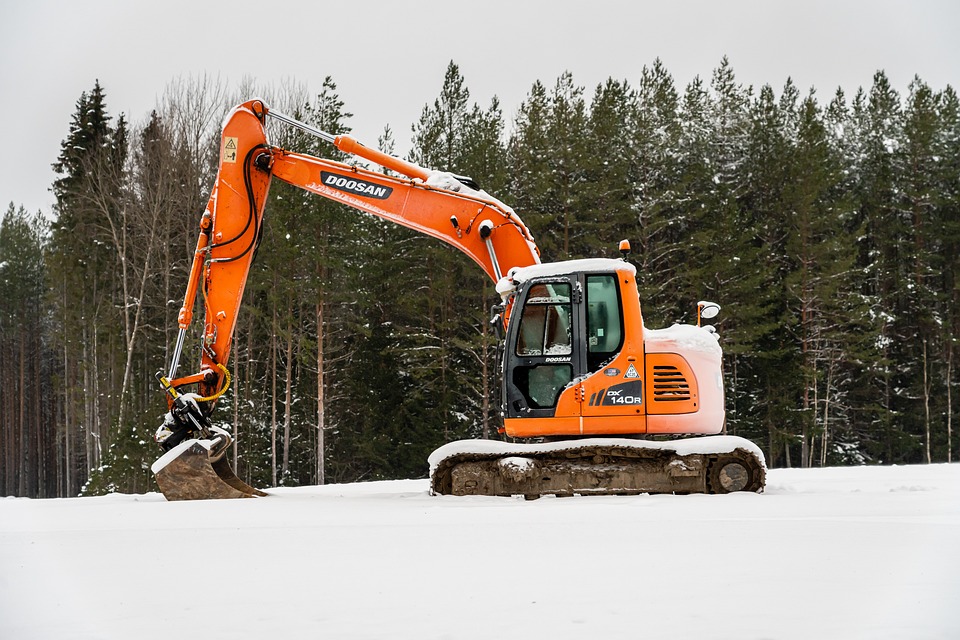
Most landscaping businesses rely on trucks, trailers, vans, and other vehicles to transport crews, equipment, soil, plants, and supplies. A vehicle accident can lead to third-party claims, vehicle damage, and project disruption. Commercial auto insurance for landscapers helps address these transportation-related risks.
5. Professional Liability Coverage: Address Design and Service Disputes
Some landscaping businesses do more than maintenance. They also provide design advice, layout recommendations, installation planning, drainage solutions, hardscape guidance, or project management. When a client alleges that your advice, design, or service caused financial loss, landscapers errors and omissions insurance may help protect your business from claims tied to professional mistakes or omissions.
6. Property and Environmental Coverage: Protect Against Broader Losses
Some businesses also need coverage for offices, yards, sheds, storage buildings, and business personal property. Others may have environmental exposure related to fertilizers, herbicides, pesticides, or chemical runoff. These businesses often review commercial landscaper property insurance and pollution liability insurance for landscapers as part of a more complete program.
Important Business Variations
Insurance needs are not the same for every landscaping operation. Factors that can change underwriting and coverage needs include:
- Residential versus commercial work — commercial contracts may require higher limits, certificates, and additional insured endorsements
- Maintenance versus installation — design-build, irrigation, drainage, lighting, grading, and hardscape work often carry broader exposures
- Chemical treatment versus non-chemical work — pesticide, herbicide, and fertilizer use can create pollution-related claims
- Solo operator versus multi-crew business — employees, subcontractors, trucks, and trailers increase exposure
- Light construction versus basic landscaping — retaining walls, patios, drainage systems, and similar work may change how the business is classified or underwritten
The Numbers Don’t Lie: Risks Are Real
Consider this: landscaping businesses regularly face claims involving property damage, employee injuries, job site incidents, and transportation losses. The costs can add up quickly, especially when legal defense, project delays, or equipment replacement are involved.
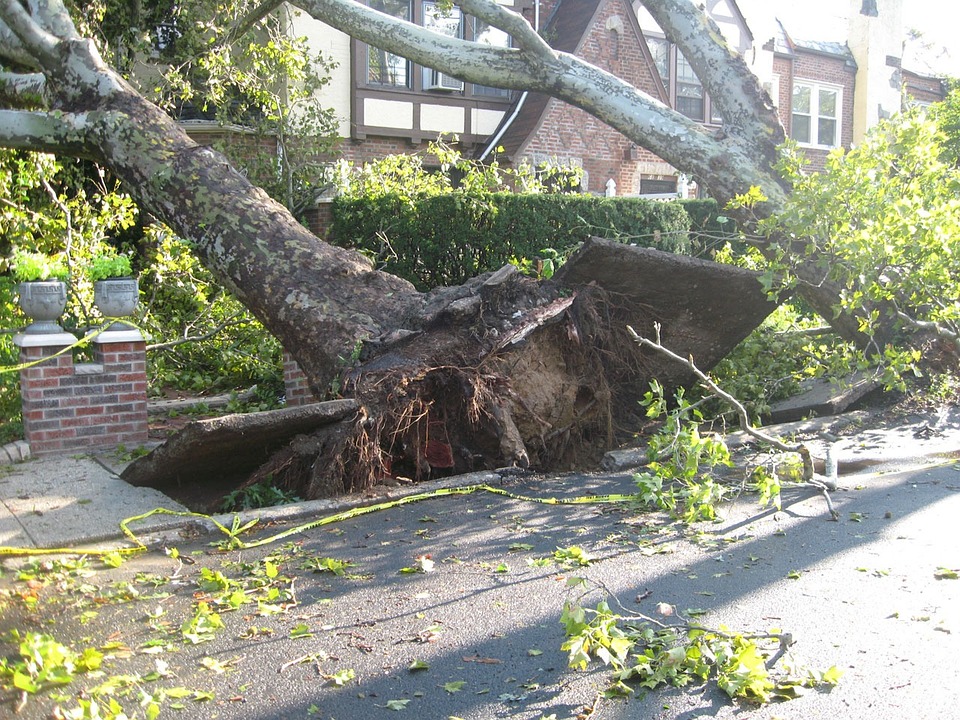
Without proper insurance, one accident or lawsuit can put serious pressure on a landscaping business. That is why many buyers look beyond a basic policy and instead build a layered insurance program matched to their real operations.
How These Coverages Work Together
A typical landscaping contractor may need general liability for third-party injury or property damage claims, commercial auto for vehicles, workers compensation for employee injuries, inland marine for mobile tools and machinery, and property coverage for fixed business locations. Businesses that provide advice or design services may also need professional liability, while contractors using chemicals may need pollution coverage.
The right program depends on how the business operates in the real world, not just on the cheapest policy option available.
Related Coverages
Frequently Asked Questions
What types of businesses need landscaping contractors insurance?
This coverage is useful for residential landscapers, commercial landscaping companies, design-build firms, irrigation contractors, hardscape installers, and other businesses performing landscaping services on customer property.
What’s the difference between general liability and professional liability for landscapers?
General liability covers third-party bodily injury and property damage claims, while professional liability helps protect against claims involving advice, design, planning, errors, or omissions in professional services.
Does landscaping insurance cover my tools and equipment?
It can, but equipment is often covered under inland marine or other property-related policies rather than general liability alone.
Is commercial auto insurance necessary for landscaping businesses?
If you use trucks, vans, trailers, or other vehicles for work, commercial auto insurance is often an important part of the overall insurance program.
Do all landscaping businesses need pollution-related coverage?
Not all do, but businesses that apply fertilizers, herbicides, pesticides, or similar products may need to review pollution or chemical-treatment-related exposures more closely.
Still have questions? Talk to a local insurance expert.