Pollution Liability Insurance: Because One Spill Away from Ruin
The Catastrophe You Didn’t See Coming
One minor spill. One unseen leak. One regulatory fine—and suddenly your business is fighting for survival. If you operate in oil and gas, chemical manufacturing, waste management or construction, pollution risks are not just possible—they’re material exposures that can trigger expensive environmental remediation, regulatory penalties and third‑party claims. Traditional general liability or property coverage typically excludes these environmental losses.
Pollution Liability Insurance isn’t a luxury; it’s the last line of defense against financial and reputational disaster. Without targeted pollution coverage you can be left paying for cleanup, legal defense, and government fines on your own.
What Makes Pollution Liability Insurance Different?
Many businesses confuse Pollution Liability Insurance (PLI) with Pollution Legal Liability (PLL). PLL typically responds when you are legally required to pay for contamination; PLI is broader, addressing immediate cleanup, emergency response and third‑party liability so you can manage operational disruption and protect cash flow.
PLI complements other commercial lines—such as commercial liability, property coverage and commercial auto exposure—by filling gaps where environmental damage and long‑tail claims arise. It also ties into underwriting factors and risk management considerations that insurers use to set limits and pricing.
Industries That Can’t Afford to Ignore This Coverage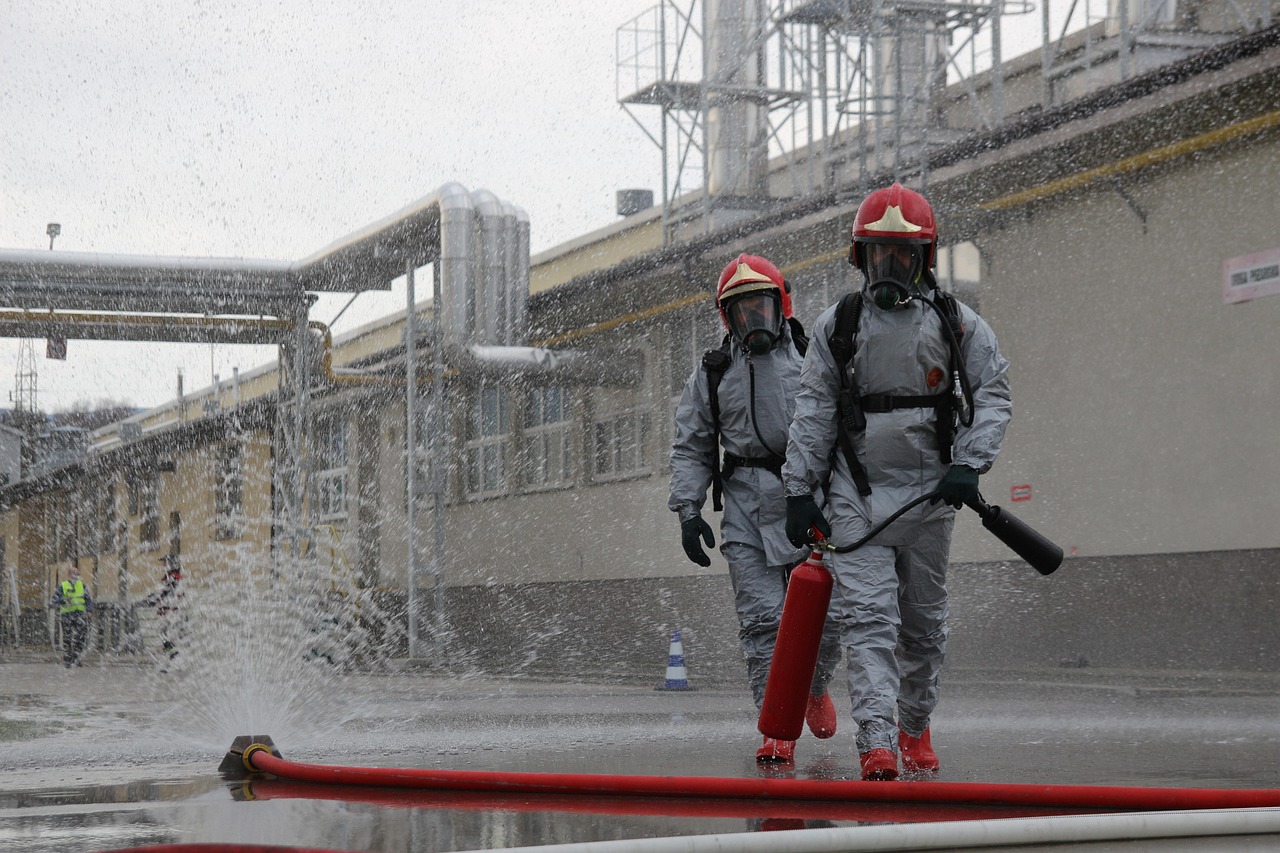
Oil & Gas: Pipeline failures, wellhead leaks and toxic spills can cost millions in cleanup and penalties.
Chemical Manufacturers: A minor storage tank breach could trigger a public health response; see our Environmental Risk Protection for Chemical Facilities page for sector‑specific risks and options.
Waste Management: One improperly disposed drum can create long‑term soil and groundwater contamination; guidance is available on our Non-Hazardous Waste Pollution Liability storefront.
Construction & Industrial Facilities: Contractors face exposures from asbestos, lead or fuel spills—contractors should review Contractors Pollution Liability & Related Insurance Risks to align limits with project hazards.
Dry Cleaners & Hazardous Material Handlers: Long‑term solvent contamination can lead to expensive cleanup and liability claims.
Risk scenario: a delivery truck leaks fuel during site operations, contaminating soil and nearby storm drains—cleanup, business interruption and third‑party claims can follow.
The Real Cost of Ignoring Pollution Risks
- Environmental remediation? $500,000 to $5 million—per incident is not uncommon depending on scope and groundwater impact.
- EPA fines? Substantial daily penalties can apply for ongoing violations.
- Third-party lawsuits? Defense and settlements can reach into the tens of millions for large‑scale incidents.
- Reputation damage? One event can jeopardize contracts and community relationships.
How Pollution Liability Insurance Puts You in Control
- Proactive Protection: Pays for emergency response, site cleanup, and legal defense so operations can return to normal faster.
- Third‑Party Liability: Protects against claims from neighbors, landowners and regulatory bodies.
- Business Continuity: Covers business interruption and extra expense when contamination forces shutdowns.
- Customizable Coverage: Limits and endorsements are tailored during underwriting to reflect site history, transportation risks and operational hazards.
This Is More Than Insurance—It’s Business Survival
You don’t buy Pollution Liability Insurance hoping you’ll never use it. You buy it because the alternative is unthinkable. Preparation—through risk management, proper underwriting disclosures and appropriate limits—is what separates businesses that recover from those that don’t. Contact us today to discuss how pollution, remediation, regulatory fines, and third‑party liability can be managed for your operation.
Frequently Asked Questions
What does Pollution Liability Insurance typically cover?
PLI commonly covers emergency response and cleanup, third‑party bodily injury and property damage claims, legal defense costs, and business interruption tied to environmental contamination.
How is Pollution Liability different from general liability?
General liability often excludes gradual pollution and contamination events. Pollution Liability specifically addresses environmental harms, remediation and regulatory exposures that GL and property policies usually don’t cover.
Which businesses should consider Pollution Liability?
Operations with fuel, chemical, waste, or hazardous materials exposure—such as manufacturers, contractors, waste handlers, dry cleaners and energy companies—should evaluate PLI alongside their commercial liability and property programs.
What influences the cost and availability of coverage?
Underwriting factors include site history, past contamination, storage and handling practices, proximity to sensitive receptors, transportation risks, and loss control measures. Those influence premiums and policy terms.
Still have questions? Talk to a local insurance expert.