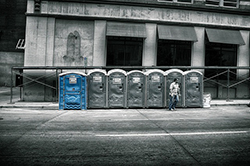
When you install or service portable toilets for a living, every service call brings operational hazards and some degree of risk. No matter how careful your crew is, mistakes, vandalism, or accidents can happen. When property damage, bodily injury, contamination, or theft occurs, the installer is often the party expected to cover repairs or losses. Portable toilet service liability insurance helps protect your business from large liability exposures like third‑party injury, property damage, and pollution claims while supporting long‑term financial stability and compliance with client requirements. Underwriting factors typically include fleet size, job types, claim history, and safety protocols.
Portable Toilets or Porta Pottys
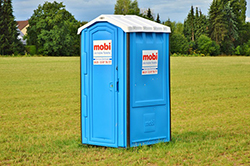
Portable toilets are essential at concerts, festivals, construction sites, and other events, but they also introduce risks for event organizers, operators, and contractors. If a unit is damaged, improperly serviced, or vandalized, the installer might be named in a claim. Coverage such as event liability or participant accident coverage can be important for operators who supply units to public gatherings. For incidents involving contamination or seepage, specialized coverages exist — see Portable Toilet Service Pollution Liability Insurance for details on that exposure and how it differs from standard general liability.
Portable toilet service liability insurance takes the financial burden off owners when serious losses occur. Potential lawsuits can reach into five or six figures if there’s significant property damage, medical expenses, or venue replacement costs. Transportation risks, such as damage during delivery or incidents involving company vehicles, are common; consider reviewing options like Portable Toilet Delivery Insurance or Port-a-pot Delivery Insurance to address commercial auto exposure and equipment coverage while in transit.
If you think your current policy covers everything but you’re not sure of the specifics, double‑check policy limits, endorsements, and common exclusions. Typical exclusions include intentional acts, certain pollution events without a pollution endorsement, and professional liability for design or consulting errors. Risk management considerations — documented training, regular unit inspections, secure storage, and clear customer contracts — can reduce exposures and help when underwriting coverage.
When preparing bids or signing contracts for events, venues often require proof of insurance and specific limits. Make sure you maintain certificates of insurance that list required additional insured endorsements, and keep current records of vehicle and equipment coverage. If you need personalized guidance, talk to your agent.
Frequently Asked Questions
Do I need a separate policy for pollution or contamination claims?
Standard general liability may not cover pollution or sewage contamination. A pollution liability endorsement or a dedicated pollution policy is commonly used to address those specific exposures.
Will my delivery drivers be covered if there's an accident while transporting units?
Commercial auto insurance covers liability for vehicle accidents. If your drivers also move or set up equipment, confirm that your policy or a commercial auto endorsement covers equipment-in-transit and loading/unloading risks.
What proof of insurance do venues typically require?
Venues usually request a certificate of insurance showing general liability limits, additional insured endorsements naming the venue, and sometimes commercial auto coverage. Requirements vary by event and location.
Still have questions? Talk to a local insurance expert.