Protection and Indemnity (P&I) Insurance: Why You Can’t Operate Without It
Operating a vessel involves more than navigation and logistics—it means managing serious risk. A single incident can lead to cargo claims, environmental penalties, or costly lawsuits, all of which can sink your finances. That’s where Marine Protection and Indemnity (P&I) Insurance becomes essential.
If you own or operate ships, you already know: Marine Protection and Indemnity (P&I) Insurance isn’t optional. It’s the financial shield that keeps shipowners, charterers, and maritime businesses protected when unexpected problems arise at sea.
Hull & Machinery insurance covers your vessel—but not your liabilities. For cargo loss, crew injuries, pollution, or legal costs, P&I coverage is critical. The shipping industry demands it, and so does the law in many jurisdictions.
What Exactly Does P&I Insurance Cover?
1. Crew and Passenger Liabilities
- If a crew member is injured or becomes ill, you’re responsible for medical costs, repatriation, and lost wages.
- Passenger injury or accident claims may result in expensive legal disputes.
- Many operators also carry maritime employer’s liability insurance for extended protection.
2. Pollution and Environmental Damage
- Oil spills, hazardous waste leaks, and chemical discharges can lead to massive fines and cleanup costs.
- Even accidental pollution incidents can create significant liabilities, making proper coverage vital.
3. Cargo Damage or Loss
- Cargo may be damaged, lost, or stolen in transit. Without liability insurance, you cover the cost.
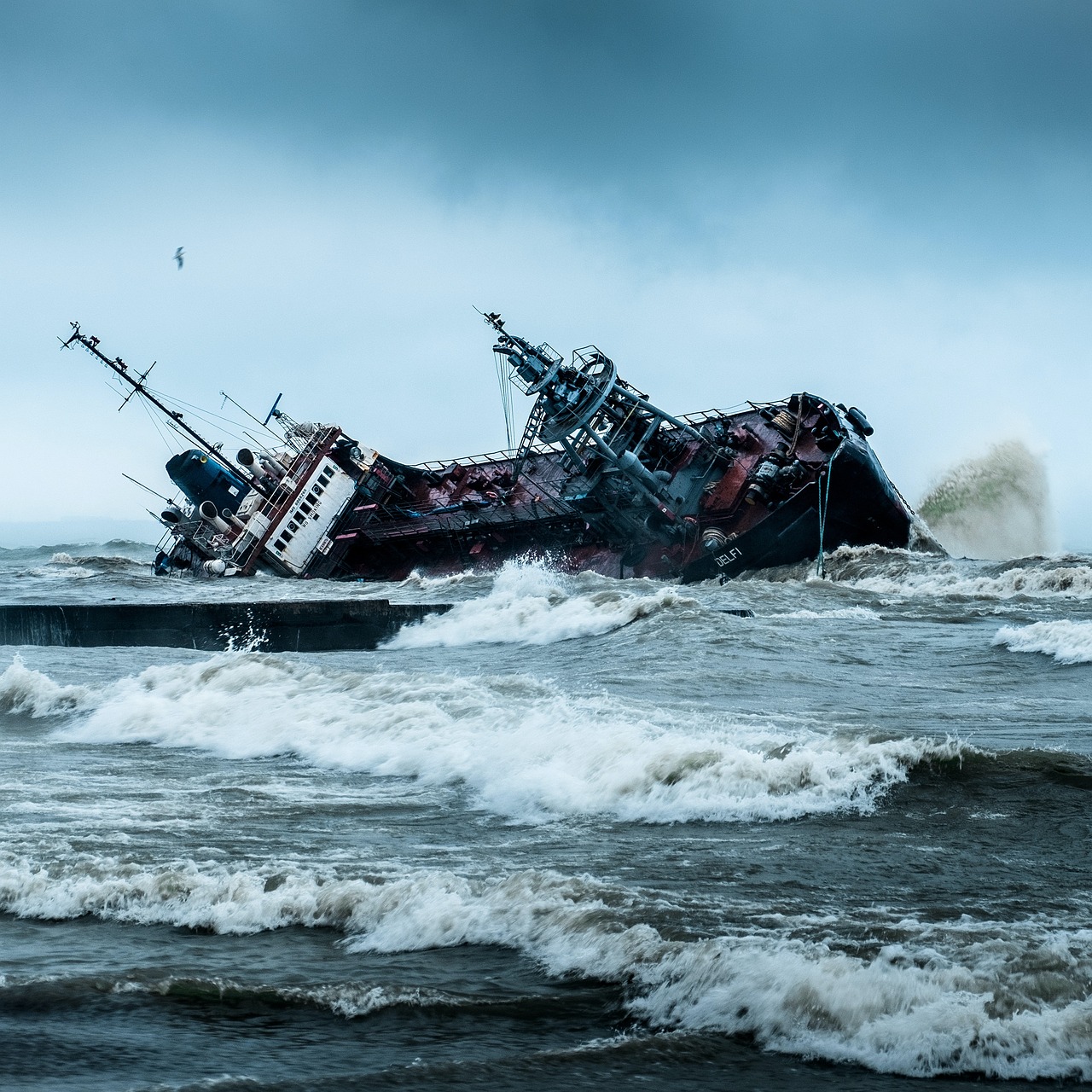
4. Wreck Removal and Collision Liability
- If your vessel sinks or causes a navigational hazard, authorities may require you to remove it—at your cost.
- Collisions with other vessels can result in liability for repairs, damages, and legal claims.
5. Legal Defense Costs
- P&I insurance covers legal defense, attorney fees, settlements, and court costs if you're sued.
- Coverage may also support employer liability and contractor-related compensation claims.
Why P&I Insurance Is More Than Just a Policy—It’s a Business Lifeline
The maritime industry is high-risk and highly regulated. Accidents—whether your fault or not—can lead to serious liabilities. Without proper insurance, you may face crippling costs.
🔹 Regulatory Compliance – Some jurisdictions won’t let you operate without valid marine liability coverage.
🔹 Contractual Requirements – Charter parties and shipping contracts often mandate P&I coverage.
🔹 Reputation & Business Survival – A single uncovered incident could financially sink your business.
How to Make Sure Your P&I Insurance Actually Covers You
Not all policies are the same. Review your coverage carefully to ensure it matches your operations and risk profile.
✅ Coverage Limits – Do the limits reflect your cargo value, vessel size, and routes?
✅ Pollution & Environmental Risks – Are you fully covered for spills, fines, and cleanup?
✅ Crew & Passenger Liability – Does it include medical, legal, and repatriation costs?
✅ Jurisdiction & Compliance – Does the policy satisfy international maritime laws and local regulations?
Final Thoughts: Because the Fine Print Matters at Sea
In marine operations, it’s not a matter of if something will go wrong—but when. A vague or limited policy could leave you exposed to millions in losses. Make sure your policy is built for the risks you truly face and provides the support you need when it counts.
Get Protection and Indemnity Insurance that gives you real protection—not just paperwork.
Frequently Asked Questions
What is Protection and Indemnity (P&I) Insurance?
P&I insurance is a type of marine liability coverage that protects shipowners and operators against third-party claims for injury, cargo loss, pollution, and legal costs.
Who typically needs P&I insurance?
Shipowners, charterers, fleet managers, and marine operators who are legally and financially responsible for crew, cargo, and environmental liabilities.
Does P&I insurance cover environmental damage?
Yes, most P&I policies cover pollution-related incidents, including oil spills and chemical discharges, subject to policy limits and exclusions.
Is P&I insurance required by law?
While not always mandated by law, many ports, flag states, and contracts require proof of P&I coverage to operate legally and safely.
What’s the difference between Hull & Machinery and P&I insurance?
Hull & Machinery insurance covers physical damage to the vessel itself, while P&I covers third-party liabilities like injury, cargo loss, and pollution.
Still have questions? Talk to a local insurance expert.