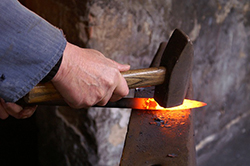
Is your company involved in metal fabrication — welding, ornamental work, fencing, signs, railings, beams or trusses? Producing a quality finished product is only part of running a safe, sustainable business. Metal fabrication carries operational hazards and job-site hazards that can lead to worker injury, customer incidents, or property damage, so appropriate insurance is essential to protect people and the bottom line.
Nobody can deny that parts of steel fabrication are hazardous. Even with strong safety programs, accidents happen — from equipment accidents to slips and falls. For a clear overview of why coverage matters for metal shops, see Importance of Insurance in Metal Fabrication.
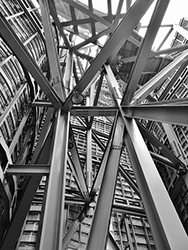
Workers compensation specific to steel and structural fabrication gives employees income and medical support if they are hurt or become ill because of their work, without forcing claims against the business. For more details that focus on businesses like yours, refer to Iron and Steel Fabricators Workers Compensation.
Liability insurance for fabrication businesses helps protect you from claims by customers or third parties who are injured or become ill after contact with your premises, employees, or products. That protection often complements other coverages a shop needs — commercial liability, property coverage for buildings and inventory, and equipment coverage for welders, presses, and cranes. For a broad look at tailored options, see Metal Fabrication Insurance: Your Business's Invisible Shield.
Key points to consider
- What it typically covers: medical and wage benefits for injured workers, third‑party bodily injury and property damage liability, product liability for fabricated goods, and coverage for damaged tools or equipment.
- Common exclusions or limitations: intentional acts, some contractually assumed liabilities, and certain types of pollution or airborne exposures unless specifically added.
- Underwriting factors: payroll, classification of employees, claims history, types of operations (outdoor cutting, on-site installation, or light ornamental work), and safety programs all influence pricing and terms.
A short risk scenario: a worker cutting steel may sustain a laceration requiring medical care and lost time, or a customer visiting the shop could trip over unsecured material — both are examples of exposures covered by the appropriate mix of workers comp and liability insurance.
Who typically needs this coverage
- Contractors, manufacturers, fabricators, and retailers who handle, install, or sell metal products should evaluate these protections. Coverage needs vary by operation size, whether you perform on-site installs, and the types of equipment you use.
Practical next steps
- Maintain written safety procedures and basic equipment maintenance to help manage exposures.
- Keep accurate payroll and job classification records to support underwriting.
- When you’re ready to review options, talk to your agent to compare quotations and confirm required limits and any endorsements specific to fabrication operations.
Whether you are starting a new shop or reviewing long-standing policies, working with an experienced carrier and an agent who understands fabrication exposures — including product liability and equipment coverage — is an investment in long-term stability. talk to your agent
Frequently Asked Questions
Do I need separate workers compensation and liability policies?
Workers compensation covers employees for work-related injuries; liability policies protect against third-party claims (customers, vendors) and product-related incidents. Many businesses carry both to cover different exposures.
Will my equipment be covered if it’s damaged on the job?
Standard liability and workers comp do not typically cover tools and equipment; equipment coverage (inland marine or scheduled equipment) can be added to protect costly machinery and portable tools.
How do my operations affect insurance cost?
Underwriting looks at payroll, employee classifications, claims history, types of fabrication performed, safety programs, and whether you do on-site installations — each affects premiums and available limits.
Still have questions? Talk to a local insurance expert.