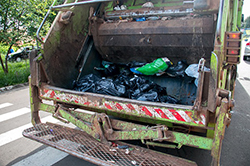
Waste and garbage haulers face a number of different elements every day. They have to go out regardless of what the weather forecast is, and brave extreme temperatures. They have to handle large or unruly trash items, like irregularly-shaped couches or bottom-heavy grandfather clocks. Even if their jobs aren't exactly considered glamorous, they provide a meaningful service to communities everywhere. To get a better understanding of how they may be injured and what that may mean for the employer, it's necessary to understand how waste haulers workers’ compensation insurance works.
What Can Happen
Waste hauling is a very active job, and even those that are fully automated can be extremely hazardous. Workers are expected to do a number of different tasks, some of which may involve lifting heavy objects that can be difficult to maneuver into a waiting vehicle. They also face a number of dangers just by virtue of being out on the road. The more time they spend in a truck, the more likely they are to be involved in some type of collision.
While auto insurance can go a long way to protect employees,
workers' compensation insurance for waste haulers is designed to do even more. Depending on the level of coverage you select, it may help cover medical costs, rehabilitation, and lost wages following a job-related injury. This is particularly important in jobs with high transportation risks and physical labor, where muscle strains, slip-and-falls, or repetitive motion injuries are common.
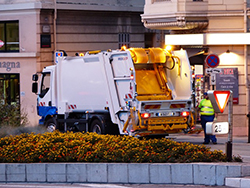
And make no mistake about it, bills can be extremely high. Depending on the state you live in and the current workers' compensation rules in place, you may be responsible for far more than you think. Unfortunately, many employers don't realize they didn’t have enough coverage until they're mired in a heap of bills they can't pay.
If a worker makes a legitimate claim against you to cover their back pain, for instance, you may need to cover a number of costs associated with this common chronic injury sustained on the job. This includes operations, recovery time, and time spent away from work. An employee can even ask you to cover their emotional damages they felt during and after the time of injury.
These risks are why it’s important to explore comprehensive options like those offered through
waste oil hauler insurance programs, which may bundle workers' comp with other essential protections such as general liability and commercial auto exposure.
What You Can Do
Getting better waste haulers workers compensation insurance can go a long way if you're hoping to find ways to mitigate your expenses in the case of injury. Of course, the best thing any employer can do is implement as many strategies as possible so they never need to rely on their workers' compensation. Better hiring practices can help a lot, but it can't be used as your only preventative measure.
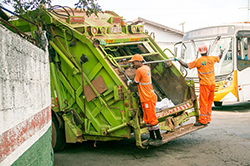
If a worker gets out of the truck to hit a patch of invisible black ice, there's little that they can do to stop the ensuing injury. If a worker is attacked along their route by a stray dog, they may not be aware of the best way to handle the situation. Better training and safety measures can certainly be implemented, but it may not be enough.
The more insurance you have, the better peace of mind for you and your employees. You'll know that they'll be taken care of no matter what may happen to them. To a certain extent, your employees have already taken on a degree of liability of their own. They know that their job isn't the safest option available, yet they've still willingly chosen to do it. A concerned employer who
teaches safety practices within the waste service industry can help them do their jobs better. They'll also feel more confident when they know they have the best protection available should something happen to them.
Frequently Asked Questions
What types of injuries are most common for waste haulers?
Back injuries, sprains, slips on ice, and vehicle-related accidents are among the most reported incidents due to the physical and driving demands of the job.
Does workers' compensation cover injuries that occur while driving the garbage truck?
Yes, if the injury happens during the course of employment, such as driving routes or loading waste, workers' compensation typically applies.
How can employers reduce workplace injuries in waste hauling?
Through proper safety training, routine vehicle maintenance, and use of protective equipment, employers can reduce operational hazards and liability exposures.
Is workers' compensation insurance mandatory for waste hauling companies?
Requirements vary by state, but most states require businesses with employees to carry workers' compensation, especially in high-risk fields like waste management.
What other types of insurance should waste haulers consider?
In addition to workers' compensation, waste haulers may need commercial auto, general liability, and equipment coverage to protect their operations fully.
Still have questions? Talk to a local insurance expert.