Construction sites can be deadly in the summer. Working in high temperatures, humidity, under direct sun, in high indoor radiant heat, or with limited air movement increases your risk for heat stroke and dehydration. 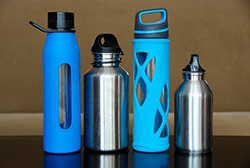 You could then experience fatigue, confusion and difficulty concentrating, a dangerous combination on a construction site. Whether you build, repair or remodel homes, stay hydrated and healthy with these tips.
Hydration tips for construction workers
-
Pre-hydrate before your shift.
Drink several glasses of water in the morning. Start your day hydrated even before your shift.
-
Drink before you’re thirsty.
If you wait until you feel thirsty to take a drink, you’re already on your way to being dehydrated. Plan to drink one cup of water every 15 minutes so you can stay hydrated all day.
-
Carry extra water.
Pack an insulated water bottle on your tool belt or wear a hydration backpack. You’re more likely to drink enough water when it’s accessible.
-
Choose cool not ice water.
Ice water tastes refreshing, but it can cause your stomach to constrict and reduce your fluid absorption rate. Drink cool rather than ice water to improve hydration.
-
Limit caffeine.
Caffeinated beverages like soda, coffee and energy drinks have a diuretic effect that contributes to dehydration. Choose decaffeinated beverages or water instead.
-
Avoid alcohol.
Alcohol acts as a diuretic, which can dehydrate you. Avoid drinking alcohol within 36 hours of your shift to also avoid dehydration.
-
Remember to eat.
Although food won’t replace water, certain foods do contain water. Eating also stimulates your thirst response and prompts you to drink more, so take meal and snack breaks during the day.
-
Drink electrolytes.
When you sweat, you lose beneficial electrolytes. Replenish your body with a carbohydrate-electrolyte drink.
-
Monitor your urine.
Your urine can indicate your hydration level. Aim for pale urine.
-
Work smarter.
Schedule physically demanding tasks for early morning or later in the day when the temperatures are cooler. You can also share duties or rotate demanding jobs with a co-worker, and take frequent breaks.
-
Dress appropriately.
The clothing you wear can help you stay cool and avoid heat stress. Choose lightweight cotton that promotes airflow and avoid synthetic materials that trap heat when possible. A sun hat can also protect you.
-
Get a physical.
Use your health insurance coverage to see your doctor before the summer heats up. Talk about your specific health, job and ways you can stay hydrated and healthy all summer.
On the construction site this summer, you can stay hydrated and avoid heat stress when you drink enough water. Use these tips to protect yourself as you work.
For information about policies that commonly apply to job sites and tools, see Residential Construction Insurance.
For specialty coverage matters and venue-related risks, see Theatrical producers insurance. If you want personalized help choosing coverage, ask an agent.
Frequently Asked Questions
How much water should a construction worker drink each day?
Guidance varies by activity and conditions, but frequent small amounts—such as a cup every 15 minutes during heavy work—help maintain hydration better than waiting until you are very thirsty.
Are electrolyte drinks necessary for all workers?
Electrolyte drinks are helpful for long periods of heavy sweating or work in extreme heat, but plain water is usually sufficient for lighter tasks and shorter shifts.
What are signs of heat stroke versus heat exhaustion?
Heat exhaustion can include heavy sweating, weakness, and faintness; heat stroke is more severe and may include confusion, loss of consciousness, or very high body temperature and requires emergency care.
Can clothing choices really affect heat stress?
Yes; lightweight, breathable fabrics and coverage like a wide-brim hat can reduce heat absorption and promote airflow to help regulate body temperature.