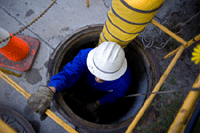
Workplace safety should always be at the forefront and a top priority for both workers and employers. One potential danger in the workplace is a confined space, which can present hazards beyond those found in open work areas.
The Occupational Safety and Health Agency (OSHA) has defined a confined space as any space with an open top and a depth that can restrict the natural movement of air, or an enclosed space with a limited opening for entry.
Common confined spaces
- Utility vaults, tanks, sewers, silos, access shafts, vats, and hoppers
- Rail tank cars, truck tanks, culverts, ship holds, and wells
- Tunnels, walk-in freezers, and cold storage areas
Dangers of a confined space
A confined space can have the usual risks associated with any workspace, but it may also present greater threats because of its design, construction, location, atmosphere, substances stored inside, or the type of work being performed.
- Mechanical hazards from moving parts or equipment
- Atmospheric hazards such as low oxygen, toxic gases, or flammable vapors
- Biological hazards, extreme temperatures, and high noise levels
- Unexpected hazards like shifting materials, sudden flooding, collapse, or release of hazardous substances
Because these factors can combine, a worker in a confined space might lose consciousness or be unable to escape without assistance if hazards are not recognized and controlled.
Entering a confined space
Before any entry, a trained supervisor or worker must evaluate the space each time. The first step is testing the atmosphere for safe oxygen levels, the presence of toxic gases, and anything that could make the atmosphere flammable. Ventilation systems should be checked to ensure proper operation.
Depending on the situation, employers should lock out energy sources, remove free‑flowing solids or liquids, and provide applicable personal protective equipment such as respirators, safety glasses, gloves, and hearing protection. Employers should also maintain a written entry plan; for insurance options related to those plans see Confined Space Safety Plan Insurance.
A worker should never enter a confined space unless they are confident they can evacuate quickly in an emergency and can immediately contact a trained employee outside the space. Where appropriate, use qualified inspectors and consider coverage and services such as Safety Inspector Insurance.
No matter the job or the type of confined space, always secure the workspace and follow established procedures. If you need help arranging coverage or reviewing your procedures, talk to an agent.
Frequently Asked Questions
What steps should be taken before entering a confined space?
Test and monitor the atmosphere, ensure ventilation works, lock out hazardous energy, remove free‑flowing materials, and equip workers with appropriate PPE.
Who should evaluate a confined space before entry?
A trained supervisor or trained worker must evaluate the space each time before anyone enters.
What are the most serious atmospheric hazards in confined spaces?
Low oxygen, toxic gases, and flammable atmospheres are among the most serious and can cause unconsciousness, poisoning, or explosion.
Can a worker enter alone?
A worker should not enter a confined space alone unless procedures, communication, and rescue plans ensure their immediate assistance and safety.