As part of your company’s Human Resources department, you’re responsible for firing employees. You may be tempted to fire whistleblowers, too, but first, know the law and your rights and responsibilities.
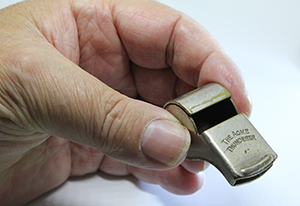
What is a Whistleblower?
The term “whistleblower” describes an employee who reports an employer’s illegal activities to a law enforcement or government agency or to a supervisor in the company. It also covers an employee with a reasonable belief of illegal activity that later proves unfounded, or an employee who participates in investigations about potential illegal activities.
Examples of illegal activities
- Health and safety violations.
- Financial mismanagement.
- Shareholder fraud.
- Bank, mail or wire fraud.
- Product contamination or safety concerns.
- Wage or employment law violations.
Laws that Protect Whistleblowers
Because your loyalty lies with your employer and you have an obligation to protect the company, you may wish to fire a whistleblower. However, numerous federal and state laws protect whistleblowers, and you risk a lawsuit, fines and criminal charges if you fire a whistleblower.
The primary law is the Sarbanes-Oxley Act, which was enacted to address corporate fraud; it prevents publicly traded companies from defrauding shareholders and also includes whistleblower protections. Additional federal laws protect employees in specific industries or relationships, for example in hazardous materials handling or when a company works with the federal government.
Likewise, state whistleblower laws vary and may extend to complaints about violations of state anti-discrimination laws, family and medical leave, or wage laws. As part of risk management, you may also consider Wrongful Termination Insurance for potential exposure related to termination claims.
How to Handle Whistleblower Claims Properly
Instead of firing a whistleblower, take steps to handle claims legally and responsibly. Treat complaints seriously and use them as an opportunity to fix problems and improve company practices.
Practical steps
- Address the problem, not the messenger. Rather than punishing an honest or concerned employee, use complaints to make necessary changes and improve your company.
- Adopt a complaint policy and ensure every employee knows how to report policy and ethics violations.
- Investigate complaints immediately and thoroughly. Take complaints seriously to honor employees and reduce the need for whistleblowing.
- Conduct discipline or termination decisions with care. Consider talking with your compliance department or attorney before you discipline, demote, deny a promotion, reassign, reduce work hours, or terminate a whistleblower for infractions that predated or are unrelated to the complaint.
- Keep careful records of everything. Document all employee concerns, discipline and other details, even in employment-at-will states, to avoid unlawful termination charges.
Consider your HR and staffing options carefully; you may also evaluate services such as PEO / Employee Leasing / Temporary Employment Insurance or consult your compliance team or attorney before taking adverse action against an employee.
Whistleblower laws protect employees in your company. Understand the laws as you conduct your HR duties and, if you need assistance, talk to an agent.
Frequently Asked Questions
Can I fire an employee who reports illegal activity?
Not generally; many federal and state laws protect employees who report illegal activity, and firing a whistleblower can lead to legal claims.
What should I document when a whistleblower complaint is made?
Document the complaint, your investigation steps, communications with the employee, and any corrective actions taken to demonstrate a fair process.
Who should conduct the investigation into a whistleblower claim?
An impartial internal compliance team or an external investigator is recommended to ensure objectivity and thoroughness.