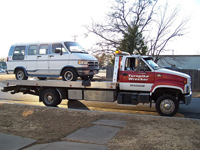
Overview
When someone else hauls your vehicle, liability and coverage depend on who has custody of the car at the time of the loss and the terms of the policies on each vehicle involved.
For basic consumer guidance about responsibilities and limits, see the car hauler insurance reference many haulers use when determining cargo and liability protections.
Key takeaways
- The hauling company generally carries cargo coverage while the vehicle is in its care.
- Owners should verify how their own auto policy responds to damage in transit.
- Professional haulers typically present lower theft and vandalism risk than informal arrangements.
How it works
Liability while a car is attached to a hauler usually shifts to the hauler because the vehicle is part of the hauler's cargo at that moment.
That cargo protection is often referred to as car carrier insurance, and coverage amounts and permitted risks are defined by the hauler's policy language and any state requirements.
Specialized operations may have different exposures; for example, agricultural or bulk haulers face distinct risks, so operators sometimes reference resources such as Grain Haulers Insurance for similar coverage models and risk controls.
What it may cover (and what it may not)
Cargo coverage on a hauler's policy typically covers physical damage to vehicles while being transported, including collision, fire, and sometimes theft, subject to policy limits and deductibles.
Exclusions vary: some policies limit coverage for high-value vehicles, preexisting damage, or unsecured loads, and they may not cover personal items left in a vehicle.
For a general description of available options and common endorsements, review materials provided under Auto Hauler Insurance and ask the carrier for the specific policy form and exclusions that apply to your shipment.
Common mistakes to avoid
- Assuming the owner's personal auto policy will automatically cover damage when the car is in a hauler's custody.
- Failing to document the vehicle’s condition before pickup with photos and a signed condition report.
- Not confirming the hauler's cargo limits, deductible amounts, and whether high-value vehicles require additional endorsements.
Questions to ask an agent
Ask who is primary for a specific loss: the hauler's cargo coverage or the owner's auto policy, and request the exact policy language or endorsement that applies to transported vehicles.
Clarify limits, deductibles, theft and vandalism provisions, and whether certain vehicle types or values require additional coverage such as agreed value or specified-peril endorsements.
If your operation uses different equipment types, compare similar coverage models like Flat Bed Haulers Insurance to understand how limits and exclusions may change by vehicle type.
Next steps
Before handing over keys, get the hauler’s insurance certificate, note cargo limits, and document the car’s condition with photos and a signed condition report.
If coverage gaps appear likely, discuss options with your insurer or the hauler and consider asking for written confirmation of coverage or an endorsement to cover specific risks.
To compare options or obtain a written quote, you can talk to an agent who specializes in transport and cargo insurance.
Frequently Asked Questions
Who pays if my car is damaged while being hauled?
The hauler's cargo insurance is usually primary while the vehicle is in their custody, but policy terms determine who ultimately pays.
Does my personal auto insurance ever cover damage during transport?
Some personal auto policies provide limited coverage, but many exclude commercial transportation or require secondary coverage when a hauler is involved.
What should I do if my car is stolen from a hauler's trailer?
Report the theft immediately to the hauler and the police, document communications, and notify both your insurer and the hauler's insurance representative.
Can I buy additional coverage through the hauler?
Some haulers offer supplemental insurance or endorsements for high-value vehicles; always get such coverage in writing before transport.