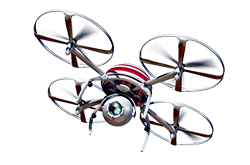
Drones are becoming more popular with consumers. Drone operation does include cyber risks you should understand before you operate your machine.
Remote Takeover
Most drones operate via a Wi‑Fi or Bluetooth connection through your smartphone or tablet. Those connections may not be secure: a hacker can jam, intercept or terminate the link or GPS, take over your drone, and steal it or crash it into people or property.
Malware
The computer or mobile device you use to operate your drone could become infected with malware. An infected device can disrupt the connection to your drone and cause the machine to crash, potentially causing physical or property damage.
Access to Photos or Videos
Cameras attached to drones transmit photos and video that may be stored or sent using unsecured servers or links. A cyber attacker could access those files and share them, creating a privacy breach for you or others.
If you use a drone for commercial or high-value imaging, consider reading more about Aerial Photography and Drone Insurance to understand coverage and privacy concerns.
Ways to Protect Your Drone
Protect your drone from cyber crime by taking several practical steps.
Ask the seller about cybersecurity measures. Most manufacturers and sellers publish security information on their websites; if you can't find it, contact the company for details.
Test your drone's security. Consider hiring a qualified cybersecurity professional to test your device, apps and connections for vulnerabilities before regular use.
Use secure control links when possible. Where available, prefer secure radio control or encrypted control channels rather than unencrypted Wi‑Fi or Bluetooth connections.
Use a VPN on your device. A virtual private network encrypts your internet connection and can reduce exposure when your controller device is online.
Use a hardened operating system. Some newer OS architectures isolate functions to limit the damage a compromised component can cause. Evaluate options that enhance isolation and security for embedded systems.
Install antivirus and anti‑malware. Keep protective software current on any computer or mobile device used to control the drone; choose solutions that include real‑time protection.
Vary your flying habits. Repeating the same route and schedule can make you an easier target; vary times and locations and avoid predictable patterns.
Purchase drone insurance
- Broad, legal and premises liability coverage
- Personal injury and medical expenses
- Hull coverage
- Extra equipment coverage for any on‑board cameras, tools and equipment
- Invasion of privacy
A drone insurance policy can protect you and your equipment from many physical and liability risks. For more on available policy options and regulations, see Drone Insurance: Uses, Risks and Regulations.
To compare coverage or review options, talk to an agent who understands drone-specific risks.
Frequently Asked Questions
Do I need special insurance for a drone?
Many homeowners or renters policies exclude drone activity, so separate drone insurance or an add‑on policy is often recommended to cover liability and physical damage.
Can hackers really take control of a drone?
Yes. Unsecured control links and GPS spoofing can allow attackers to intercept or hijack a drone if proper protections aren’t in place.
How can I protect the images my drone captures?
Limit data stored on unsecured servers, encrypt transfers where possible, update firmware, and review the privacy settings of any cloud services you use.
Is antivirus enough to keep my drone safe?
Antivirus helps protect the controlling device, but you should also secure control links, keep firmware updated, and use secure operating environments for best results.