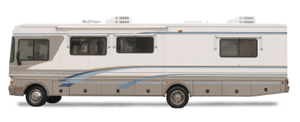
Overview
Your motorhome is both a vehicle and a living space, and insuring it requires thinking about collision and property risk as well as the contents and liabilities that come with a mobile home. Policies can be written as endorsements to an auto policy or as standalone recreational vehicle (RV) policies, and the right choice depends on how you use the vehicle and what protections you need. See Recreational Vehicles (Motor Homes) Insurance for more policy options.
Coverage options vary by insurer and by vehicle type (Class A, B, C, fifth-wheel, or travel trailer). Understanding the typical components of an RV policy will help you compare quotes and avoid coverage gaps.
Key takeaways
- RV insurance can be an add-on to personal auto coverage or a separate policy tailored to motorhomes.
- Standard exposures include collision, theft, liability, and loss of personal belongings inside the vehicle.
- Some policies limit annual mileage or require special riders for external equipment such as antennas or satellite systems.
- Inventorying high-value items and documenting the vehicle’s condition will speed claims and ensure proper limits.
How it works
Most RV insurance packages combine vehicle coverage (collision, comprehensive) with property and liability features that reflect the fact that an RV is also a home. Deductibles, actual cash value versus replacement cost, and limits for personal property all affect the premium and the protection you receive.
To get a clear sense of available options and endorsements, review resources like Understanding RV Insurance which explain common terms and policy structures used by insurers. You can also compare features on Recreational Vehicles (RV) Insurance.
What it may cover (and what it may not)
Typical RV insurance coverages include the following items; check your policy declarations for exact limits and exclusions.
- Physical damage to the vehicle from collision, fire, vandalism, or other covered perils.
- Liability coverage for bodily injury or property damage to others if you’re at fault in an accident.
- Medical payments or personal injury protection for occupants, depending on state requirements.
- Coverage for personal possessions inside the RV, often with sublimits for electronics and jewelry.
- Optional riders or endorsements for items such as satellite dishes, awnings, and custom equipment.
What may not be covered: damage from normal wear and tear, mechanical breakdowns (unless optional mechanical coverage is purchased), and theft of unsecured items. Many carriers also exclude certain types of commercial use or full-time residency unless specifically endorsed.
Common mistakes to avoid
Assuming a personal auto policy automatically covers the RV: not all auto policies provide coverage for living-area contents or permanent additions, so confirm scope before relying on your auto policy alone.
Underinsuring belongings: small sublimits for personal property can leave you undercompensated for laptops, cameras, or other high-value items unless you schedule them separately.
Overlooking mileage or use restrictions: if your policy has an annual mileage cap or excludes full-time living, crossing those thresholds can affect coverage or claims payment.
Questions to ask an agent
- Does the policy cover the full replacement cost of the RV or only actual cash value?
- Are personal belongings covered, and are there sublimits for electronics or valuables?
- Are there mileage limits, and how is “full-time residency” defined by this insurer?
- What endorsements are available for awnings, satellite equipment, custom fixtures, or roadside assistance?
- How does the claims process work for damage while traveling out of state or out of the country?
Next steps
Document your RV and its contents with photos and a written inventory, including serial numbers and purchase receipts for valuable items, to support any future claim. If you want practical guidance on protecting your vehicle and belongings, see Protecting Your Motorhome: Essential Tips for homeowner-style precautions adapted to RV life. You can also review Motor Home Insurance resources for additional details.
After reviewing options and your inventory, compare quotes from multiple carriers and be prepared to talk to an agent about endorsements that match your travel habits and storage practices.
Frequently Asked Questions
Do I need a separate RV policy or will my auto insurance cover it?
It depends on the insurer and how you use the RV; many auto policies offer limited coverage but a standalone RV policy or endorsement is often needed for living-area protection and personal property.
Will my homeowner's insurance cover possessions inside an RV?
Homeowner policies typically exclude property not kept at the residence, so personal items inside an RV may need to be covered under the RV policy or a separate personal property policy.
Are there coverage limits for electronics and other valuables?
Yes, many policies apply sublimits to electronics, jewelry, and similar items; scheduling high-value items or buying higher limits can provide better protection.
Does full-time living in an RV affect insurance?
Some insurers treat full-time residency differently, limiting coverage or requiring special endorsements, so disclose your intended use when applying for coverage.