Overview
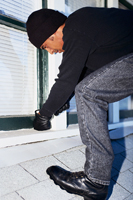
Home break-ins are often crimes of opportunity: burglars look for easy, low-risk targets and move on quickly if entry appears difficult or likely to attract attention.
Improving basic physical security, removing obvious targets from view, and making your property appear occupied are effective, low-cost ways to reduce the chance of a burglary without making your home unsafe in an emergency.
Related reading: Home Health Care Security (Insurance Overview).
Key takeaways
- Make entry difficult and visible: good locks, well-lit exteriors, and trimmed landscaping deter opportunistic burglars.
- Small investments in devices and habits can significantly lower risk and may qualify you for insurance discounts.
- Maintain escape routes and safety for occupants while improving security; never create barriers that could trap people during a fire or other emergency.
How it works
Burglars generally prefer quick, discreet entries. If it takes longer than a few minutes or they are exposed to light and observers, many will abandon the attempt.
Security improvements work by increasing the time, noise, or visibility a would‑be intruder faces. Even simple measures that add a minute or two can change a home from an easy target to one a burglar will skip.
For security considerations affecting properties with stored materials, see Lumberyards Insurance Overview.
What it may cover (and what it may not)
Homeowners insurance typically covers losses from burglary and theft subject to your policy limits and deductibles, but coverage types, limits, and exclusions vary by policy and insurer.
For help understanding how coverage applies to your situation and what protections your policy includes, see Insurance Considerations for Homeowners and Businesses.
Common mistakes to avoid
Avoid assuming high fences, dense shrubbery, or complete darkness always increase security; those features can provide concealment for burglars.
Don’t make your home impossible to leave in an emergency — security grates or barred exits should have quick-release mechanisms from the inside to protect occupants as well as property.
Questions to ask an agent
Which security upgrades will my insurer recognize for discounts, and what documentation is required?
Does my policy cover forced entry, stolen items taken outside the home, and damage from a break-in, or are there separate limits for certain types of property?
Next steps
Walk your property and identify the easiest points of entry: doors, ground‑level windows, and garage access. Make simple repairs and upgrades to increase resistance and visibility.
Consider these practical actions: install good deadbolts, secure sliding doors with a bar or pin, add motion‑activated exterior lighting mounted out of reach, and rearrange furnishings so valuable items are not visible from the street.
If you use onsite security staff, see Security Guards and Patrol Agencies Insurance.
For practical security advice and common misconceptions about alarms and devices, you may find additional guidance in Home Security Tips and Myths.
If you have a vacant property or special circumstances that affect coverage, review options with an expert at Vacant Dwelling - Hard to Place Insurance.
When you’re ready to review your options and coverage, talk to an agent who can explain applicable discounts and what documentation you’ll need.
Frequently Asked Questions
How much does improved home security affect my insurance premium?
Discounts vary by insurer and the specific devices or measures you install; many companies offer modest premium reductions for verified security improvements.
Will a burglar alarm alone stop a break-in?
An alarm increases risk to the intruder and can deter theft, but combining alarms with good locks, lighting, and visibility is more effective.
Are motion lights better than always-on exterior lights?
Motion lights are energy efficient and can startle an intruder, while steady lighting increases general visibility; a mix of both can be effective.
What should I do if I see signs of a past break-in?
Do not disturb the scene, contact law enforcement immediately, and notify your insurer to report the loss and start a claim.