Overview
Traveling with babies and children adds planning beyond the usual vehicle checks. Parents should verify child seats, plan for breaks, pack age-appropriate entertainment, and confirm their auto insurance provides adequate protection for the trip. Clear preparation reduces in-car distractions and helps the whole family arrive safely and more relaxed.
Key takeaways
- Double-check car seats and boosters for correct installation before every long drive.
- Bring small comforts and new activities to reduce boredom-related disruptions.
- Schedule regular stops so children can move and reset their attention.
- Review your insurance coverage well before travel to avoid coverage gaps.
How it works
Preparing for a family road trip means combining vehicle maintenance with child-specific safety steps. The goal is to minimize moments that force you to take your eyes off the road and to make the ride comfortable for young passengers.
Use a simple pre-trip checklist and follow it each time you pack the car. A reliable checklist reduces last-minute stress and ensures critical items — like properly secured car seats and charged devices — are not forgotten.
Practical pre-trip checklist
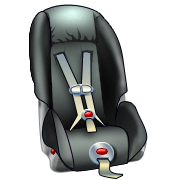
- Inspect and, if needed, reinstall child safety seats according to the manufacturer's instructions.
- Pack an entertainment kit with books, quiet toys, headphones, and chargers.
- Plan rest stops every two to three hours and identify safe locations along your route.
- Verify tires, fluids, lights, and emergency supplies before departing.
What it may cover (and what it may not)
Standard auto insurance typically covers liability and damage from collisions or covered perils, but coverages and limits vary. For families, it’s important to confirm that passenger injuries and medical payments are addressed under your current policy.
Consider reviewing your policy details and endorsements so you know what is and isn’t covered during a multi-state trip or when towing a trailer or camper. If you use or rent recreational vehicles during the trip, additional or specialized coverage may be advisable; for more information, see Insurance Considerations for Summer Travel and Trailers. If you carry belongings on a trailer, consider On-hook cargo insurance.
Common mistakes to avoid
One frequent error is assuming a car seat remains correctly installed after being moved between vehicles. Another is underestimating how quickly children become restless; without planned breaks and activities, distractions rise.
Avoid skipping an insurance review. Many parents delay checking their coverage until after an incident, which can leave them underinsured when they need help most. If you want a concise starting point about consumer policies, consider reviewing resources like Travelers Insurance for general guidance on travel-related coverage options.
Questions to ask an agent
Before you travel, ask an insurance professional whether your policy covers passengers' medical expenses, rental car replacements, roadside assistance, and any trailers or rented vehicles you may use. Clarify coverage limits and any exclusions for out-of-state or multi-vehicle travel.
When speaking with an advisor, also inquire about recommended safety equipment and whether any additional endorsements are appropriate for your itinerary; for broader family-focused planning and safety tips, see Essential Tips for Family Planning and Safety. Also ask whether coverages extend to secondary properties or short-term rentals like Rental Dwellings Insurance.
Next steps
Create a written pre-departure checklist and run through it at least once before the day of travel. Replace or repair any equipment that shows wear, and test entertainment devices so batteries or downloads don’t fail mid-trip.
If you prefer a one-on-one review of your coverage or want an updated quote based on travel plans, ask your agent.
Frequently Asked Questions
How often should I check my child's car seat installation?
Check the installation every time a seat is moved between vehicles and perform a quick visual check before long trips.
Are infant mirrors safe to use?
Infant mirrors designed for rear-facing seats are safe when securely attached and allow you to monitor the baby without turning around.
What sort of entertainment keeps kids occupied longer on a road trip?
Combine new, small items with familiar favorites—books, coloring supplies, simple games, and a short playlist or downloaded videos work well for varied ages.
How often should we stop during a long drive with children?
Plan for stops every two to three hours so children can stretch, use restrooms, and burn off energy to reduce in-car fussing.