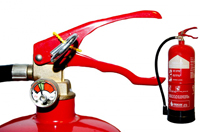
Every small business needs functioning fire extinguishers. Local codes and your insurance company set specific requirements; below are guidelines to help you keep extinguishers ready and accessible during an emergency.
Ensure Extinguisher Accessibility
During a fire, you do not want to search for an extinguisher behind boxes or in a locked closet. Mount extinguishers where they are easy to reach without blocking an exit.
If an extinguisher weighs less than 40 pounds, mount it on a permanent structure three to five feet off the floor so staff can reach it quickly.
Use the Correct Size and Type
The fire load of your business determines how many extinguishers you need and what size they should be. For example, a retail space under 3,000 square feet may need only one 5-pound extinguisher, but selling items such as candles or pool chemicals can require additional units placed at opposite ends of the building.
If you need professional help selecting or maintaining units, consider services such as Fire Extinguisher Servicing and Fire Extinguisher Refilling Insurance to keep equipment up to code.
Test Extinguishers Regularly
Fire extinguishers wear out even if unused. Follow a routine testing schedule so units will work when needed.
Six years after manufacture, dry chemical extinguishers require maintenance that removes internal parts and chemical, tests the cylinder under pressure, inspects for wear or defects, then reassembles, recharges, and retags the unit if it passes.
Twelve years after the manufacturer's date, perform a hydrostatic test; serviceable units receive a hydrostatic test sticker or stamp.
Also perform monthly checks: verify the extinguisher hasn't been tampered with, vandalized, or damaged, and confirm there are no missing parts and pressure is correct. The supervisor or designated employee doing these monthly checks should initial the inspection tag to verify readiness.
For scheduled inspections and documentation, you can arrange professional assessments like Fire Extinguisher Testing Insurance.
Provide Proof of Inspection
Your extinguishers must be inspected annually by a licensed technician. During the inspection the technician will confirm the extinguisher is undamaged and not discharged, is at the correct pressure, has a debris-free hose, and is properly mounted.
Each extinguisher that passes inspection receives a tag punched with the inspection month and year so you have visible proof of service.
The fire extinguishers in your building could save lives. Follow these safety tips to ensure your extinguishers are ready for action, and if you need help, ask your agent or consult your building inspector for additional safety guidance.
Frequently Asked Questions
How often should I perform a quick check of my fire extinguishers?
Do a visual monthly check to ensure the extinguisher is in place, not tampered with, and shows proper pressure on the gauge.
Who must perform the annual inspection?
A licensed technician or certified service provider must perform the annual inspection and tag each passing extinguisher.
What triggers a hydrostatic test?
Dry chemical extinguishers generally require a hydrostatic test about twelve years after the manufacturer's date to confirm cylinder integrity.
Where should extinguishers be mounted in my business?
Mount extinguishers where they are easily accessible without blocking exits and follow height guidelines for units under 40 pounds.