Construction workers can be seriously injured or killed when materials shift, fall, or are handled unsafely — for example, when heavy steel plates, overloaded pallets, or stacked joists topple onto people below.
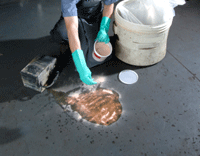
The U.S. Occupational Safety and Health Administration reports that material-handling incidents cause hundreds of thousands of injuries on construction sites each year. Using safe material-handling practices prevents needless suffering and can save contractors and insurers substantial medical and disability costs.
Safe material handling on construction projects centers on three areas: safe handling, safe storage and proper disposal of debris and waste.
Safe handling of construction materials
- Properly secure materials stored in tiers. Pipes, steel beams, poles and other heavy items can slide or tilt if they are not stacked and blocked adequately, creating a risk that they will fall on workers.
- Keep combustible and flammable materials in fire-resistant containers to reduce fire and spill hazards.
- Determine and post the maximum safe load limits of floors where materials are stored, and avoid exceeding those limits.
- Maintain clear aisles and passageways for moving materials so equipment and workers can operate safely.
- Construct ramps or graded walkways between different levels to reduce slips, trips, and accidental drops.
Sound storage practices
- Stack bricks in piles no more than seven feet high, tapering layers above four feet back two inches for every foot; taper masonry block piles above six feet.
- Limit stacks of lumber to 20 feet high (16 feet if workers will handle lumber without machines) on level sills that provide stable support, and remove used nails before stacking.
- Keep stored materials more than six feet from hoistways and avoid storing materials in floor openings.
- Store materials more than 10 feet from an exterior wall that is shorter than the top of the pile.
- Do not store materials on scaffolds or runways unless they will be used there immediately.
Proper waste disposal
- Remove scrap, especially combustible materials, as it accumulates rather than letting it pile up; do not remove debris until workers above have finished dropping material to the ground.
- Use an enclosed chute to drop debris from higher points of the building to a safe collection area.
- Barricade areas where workers will drop debris without a chute to prevent injuries to people below.
- Use separate containers for materials contaminated with oil or flammable liquids.
An insurance company's loss control department may have resources to help contractors improve material handling; check available programs through Construction Supply & Contractor Insurance and similar services.
Contractors who rely on heavy equipment should also review coverage options for gear and machinery to ensure safe operations; see Construction and Mining Machinery Insurance for more information.
Those who want help arranging a loss-control review should ask your agent to set up a meeting.
Putting these safeguards into place reduces injuries, fines, and workers' compensation costs, and it improves a contractor’s reputation with current and prospective employees.
Frequently Asked Questions
What are the most common causes of material-handling accidents on construction sites?
Accidents often result from unstable stacks, unsecured loads, overloaded floors, and workers below areas where materials are being dropped.
How can I make sure stored materials won’t fall or shift?
Use proper blocking and chocking, follow recommended stacking heights and tapering, place materials on level sills, and keep storage away from openings and hoistways.
When should I use a debris chute versus barricading an area?
Use an enclosed chute whenever debris must be dropped from height; barricade the drop zone only when a chute is not available to protect people below.
Who can help my company develop a material-handling safety plan?
Your insurance carrier’s loss control team or a qualified safety consultant can review practices, recommend controls, and help train workers.