Overview
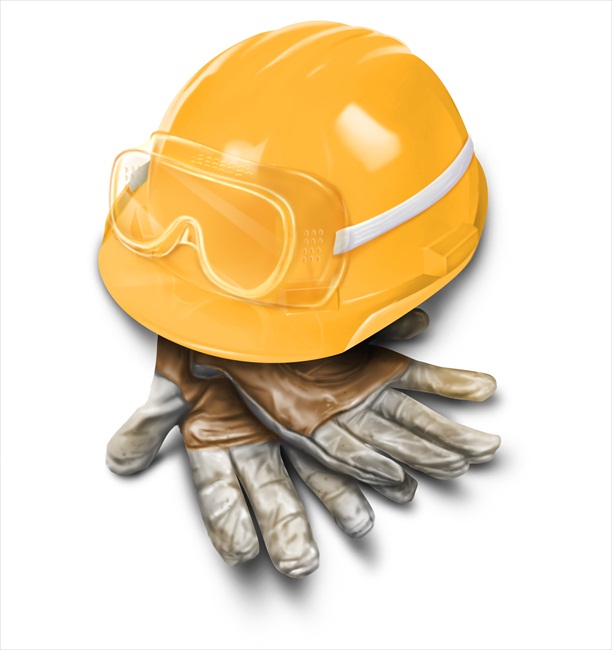
Regular safety inspections are a practical, ongoing way to manage workplace risks and prevent injuries and illnesses. They help identify deteriorating equipment, unsafe conditions, and risky work habits before they result in accidents.
A strong inspection program also keeps leadership informed about organizational safety performance and creates a consistent record of observations and corrective actions.
Key takeaways
- Inspections catch hazards early and reduce the chance of injuries.
- A structured inspection program supports training, compliance, and continuous improvement.
- Documenting findings makes it easier to track fixes and measure safety progress.
How it works
A safety inspection program defines scope, frequency, and responsibilities for regular tours and checks. Typical steps include planning the inspection, using a checklist, documenting observations, assigning corrective actions, and following up until hazards are resolved.
Inspections should combine visual checks of equipment and facilities with observation of work practices so both conditions and behaviors are addressed. In some specialized trades, formal inspections are complemented by technical evaluations such as Garage Lift Inspectors OCP Insurance or other equipment-focused assessments.
What it may cover (and what it may not)
A comprehensive inspection program typically covers housekeeping, machine guards, electrical safety, PPE use, permits for hot work, emergency exits, and employee practices. It should also verify that corrective actions from prior inspections are completed.
Inspections do not replace formal maintenance, regulatory certifications, or professional testing for environmental hazards; for example, specialized services such as Radon Inspectors Insurance or other certified inspections may be needed when a suspected hazard requires technical testing.
Common mistakes to avoid
Relying only on annual inspections leaves gaps; hazards can develop quickly and need more frequent checks. Avoid vague findings—each observation should include a clear corrective action and a responsible person.
Another common error is treating inspections as a fault-finding exercise. To be effective, inspections should be collaborative and focus on prevention and improvement rather than blame.
Questions to ask an agent
Ask how insurance and risk management resources can support your inspection program and whether your policy has requirements for documented inspections. Discuss how findings might affect loss control services or premium considerations.
You can also ask whether industry-specific endorsements or coverages are recommended for specialized equipment or exposures, and how documentation of inspections may be used in claims or audits.
Next steps
Begin by creating a simple checklist tailored to your facility and scheduling routine walks—daily or weekly for high-risk areas, and monthly or quarterly elsewhere. Involve supervisors and employees to increase ownership of safety practices.
If you need help developing checklists or a formal program, our team can assist and guide you toward experts for specialized testing such as Lead Inspections.
When you are ready to review options with support, consider using the option to talk to an agent to discuss tailored risk management and insurance solutions.
Frequently Asked Questions
How often should safety inspections be done?
Frequency depends on risk; high-risk processes may need daily checks while lower-risk areas can be inspected monthly or quarterly, supplemented by incident-driven reviews.
Who should conduct inspections?
Inspections are most effective when done by trained supervisors, safety coordinators, or designated employees who know the work and can recognize hazards.
Will documented inspections satisfy regulatory requirements?
Documentation helps demonstrate proactive safety management, but you should verify specific regulatory or certification requirements for your industry and jurisdiction.
What should I do after finding a hazard?
Assign a corrective action with a deadline and responsible person, document completion, and verify the fix during a follow-up inspection.