The construction industry relies on skilled tradesmen who specialize in jobs such as plumbing, electrical work or drywall installation. As a contractor, you may hire dozens of tradesmen for a project. 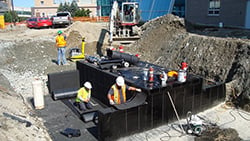 Assess a tradesman's skill, experience and qualifications in several ways to help ensure the job is done right.
Ask for references
A plumber may say she has experience repairing water treatment system pipes, but you should verify her experience before hiring. Contact the references she provides and ask about quality of work, reliability and timeliness. Use that information to decide whether the subcontractor is right for your specific project.
See proof of insurance
If a tradesman installs the wrong material, delays the project, or damages the property, you could be liable. Ask tradesmen to verify insurance coverage and keep a copy of their current business owners or liability policy in your files; for examples of industry-specific coverage, review Contractors/Construction Trades Insurance.
Evaluate a tradesman’s subcontractors
The tradesmen you hire may employ subcontractors. Assess those subcontractors so everyone on the job site will maintain high-quality work and safety standards. If you cannot personally vet them, include a contract clause making the tradesman responsible for the actions and behavior of their subcontractors.
Sign a safety policy agreement
Every construction site includes safety risks and potential hazards, so you should have a safety policy agreement for each project. It should outline specific job-site risks and detail steps to reduce accidents, and both you and the tradesmen should review and sign the agreement.
Agree to a contract
You and the tradesmen should agree to and sign a contract that includes work requirements, timeline and payment. Prepare new contracts for each project and tradesman, store a signed copy in your records and provide a copy to the tradesman. For trade-specific concerns, you may also review examples like Lathing Contractor Insurance or Blacktop Contractors Insurance to confirm coverage needs.
Perform regular assessments
You may work with the same tradesmen for years, but perform regular assessments for each new project. These spot checks ensure the tradesmen you hire continue to provide quality work and maintain a safe environment.
Monitor the job site
Continue monitoring the job site to ensure compliance with the contract. If you see concerns or violations, address the tradesman directly and require corrective action. Regular monitoring helps you catch problems while they are still manageable and keeps the project operating smoothly.
Document everything: keep signed contracts, insurance certificates and safety agreements in the project file. If you're unsure which coverages to require or how to word contract clauses, talk to an agent.
Frequently Asked Questions
What should I ask a tradesman's references?
Ask about the tradesman's quality of work, ability to meet deadlines, communication and whether the references would hire them again.
How often should I verify insurance certificates?
Verify insurance certificates before work begins and whenever a policy is renewed or a project scope changes.
Can a tradesman be held responsible for subcontractors?
Yes—include contract language that makes the tradesman responsible for their subcontractors' actions and safety compliance.
When should I monitor the job site?
Perform regular site visits throughout the project, increase monitoring during high-risk tasks, and inspect after key milestones are completed.