Overview
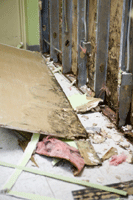
Indoor mold is a common building hazard that can cause allergic reactions, respiratory problems, and, in some cases, infections for occupants and visitors.
Modern, tightly sealed buildings and some synthetic building materials can increase indoor humidity and reduce air movement, creating environments where mold grows more readily.
Routine maintenance of heating, ventilation, and air-conditioning systems is critical because uncontrolled humidity and dirty filters can spread mold spores throughout a building.
Key takeaways
- Address moisture quickly—drying and repair are the simplest ways to prevent mold growth.
- Small areas can often be cleaned safely with proper protective equipment and disinfectant; large infestations need professionals.
- Insurance options exist to help manage financial risk from mold damage and cleanup—review policy details carefully.
How it works
Mold needs moisture, organic material, and time to grow; controlling at least one of these factors prevents or limits growth.
Air systems can concentrate spores and distribute them if filters or drainage are not properly maintained, so preventive HVAC care reduces exposure risks.
When mold is found, the response depends on the size and location of the contamination: small, non-porous areas can often be cleaned in-house, while larger or hidden infestations typically require professional abatement.
What it may cover (and what it may not)
Insurance coverage for mold varies by policy and carrier, and it often depends on the cause—sudden damage from a covered peril may be eligible for a claim, while long-term neglect or high humidity-related deterioration may be excluded.
For an overview of available policy options and typical terms, see Mold insurance overview to compare what insurers commonly offer.
Specific cleanup and remediation policies can also be available; to learn about coverage that targets remediation work, consult Mold Abatement Insurance.
Common mistakes to avoid
Delaying repairs to leaks or water intrusion allows mold to spread and raises cleanup costs, so fast action matters.
Using inadequate personal protection when cleaning mold can increase exposure; always use gloves, eye protection, and an appropriate mask for airborne spores.
Relying solely on surface cleaning without addressing underlying moisture sources or poor ventilation will lead to recurring problems.
Questions to ask an agent
Does a policy cover mold remediation, and what limits or sublimits apply to mold-related claims?
Are there specific exclusions tied to long-term moisture, poor maintenance, or certain building materials?
Does the insurer require specific documentation, inspection reports, or licensed remediation before accepting a claim?
Next steps
Inspect vulnerable areas regularly (rooflines, plumbing, HVAC drip pans, basements) and document any water events and repairs with photos and receipts.
For large or hidden mold problems, hire licensed remediation professionals who use appropriate antimicrobial treatments and containment methods.
If you want to review coverage options or discuss how to protect your building financially, talk to an agent who can explain policies and limits.
Frequently Asked Questions
How do I know when mold needs professional remediation?
Large infestations, hidden growth behind walls or ceilings, or contamination after sewer backups typically require professionals to remove and remediate safely.
Can I clean small mold spots myself?
Yes—small, non-porous areas can often be cleaned using a bleach solution or commercial mold cleaner while wearing gloves, eye protection, and a mask.
Will my building’s HVAC system spread mold spores?
A poorly maintained HVAC system can circulate spores; regular filter changes, cleaning, and moisture control reduce that risk.
What documentation helps when filing a mold-related insurance claim?
Keep records of the water source, inspection or remediation reports, repair receipts, and photos showing damage and cleanup actions.