Overview
Ignoring safety rules or failing to enforce them can expose a business to serious human and financial costs. Workplace injuries happen when employees take unsafe shortcuts, use equipment they are not trained to operate, or when supervisors allow risky behavior to continue unchecked.
Even when an injured worker violated company policy, many jurisdictions allow workers' compensation benefits for workplace injuries. That makes prevention, training, and clear supervision essential components of risk management for any employer.
Key takeaways
- Supervisors who tolerate unsafe work practices increase the employer's liability and risk of costly claims.
- Workers' compensation often covers workplace injuries even when safety rules were violated.
- Clear training, authorization procedures, and enforcement reduce injuries and insurance costs.
How it works
Workers' compensation systems are designed to provide timely medical and wage benefits to employees hurt on the job, generally without requiring the employee to prove employer negligence. That framework encourages employers to focus on prevention through training, equipment maintenance, and enforcement of safety rules.
Separately, workplace safety programs and certain liability policies can help manage the broader financial impact of injuries, such as business interruption, legal defense, and third-party claims. For employers with production or warehouse operations, reviewing industry-specific coverage can be helpful; consider options tailored to facility risks such as Manufacturing Facilities Insurance.
What it may cover (and what it may not)
Workers' compensation typically covers medical treatment, a portion of lost wages, and rehabilitation for qualifying workplace injuries regardless of fault. It often applies even when an employee deviates briefly from normal duties, if the injury arose out of employment.
What workers' compensation may not cover includes injuries from intentional self-harm, injuries sustained while committing a crime, or situations clearly outside the employment relationship. Other coverages, such as commercial general liability or specialty policies, may respond to third-party claims or property damage related to the incident.
Businesses that provide in-home or client-facing services can benefit from policies designed for their work; see options for that sector in Residential Services Insurance.
Common mistakes to avoid
Failing to train employees on equipment use and safety procedures is a frequent and avoidable error. Training should be documented and repeated whenever procedures or equipment change.
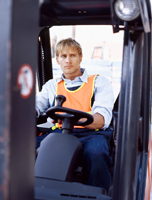
Allowing unqualified or uncertified employees to use specialized equipment, such as forklifts, creates clear hazards. Employers should require authorization and verification of competency before assigning such tasks.
Supervisors who ignore unsafe acts, tolerate shortcuts, or discourage reporting create a culture where accidents are more likely and claims become costlier.
Questions to ask an agent
Does our workers' compensation policy fully reflect the actual tasks and overtime patterns of our staff?
Are there coverage options or endorsements that address operations unique to our facility or service model?
What documentation and safety programs will help reduce premiums and support claims management?
Next steps
Start by auditing job tasks, identifying equipment that requires certification, and confirming that supervisors are trained to enforce safety standards. Implement clear authorization procedures and keep training records up to date.
Review insurance programs with a broker who understands your industry exposures and can recommend appropriate limits and endorsements. If you need help beginning that conversation, ask an agent to review your operations and insurance needs.
Frequently Asked Questions
Can an employee collect workers' compensation if they broke a safety rule?
In many cases, yes; workers' compensation often applies even when an employee violated a safety rule, though outcomes can vary by jurisdiction and circumstance.
What role do supervisors play in preventing claims?
Supervisors are critical: enforcing rules, verifying training, and intervening when unsafe acts occur all reduce the likelihood and severity of injuries.
Will improving training lower my insurance costs?
Effective training and well-documented safety programs can reduce claim frequency and may help lower workers' compensation premiums over time.
Should I separate equipment authorization from ordinary job assignments?
Yes; requiring explicit authorization and proof of competency for specialized equipment helps prevent unauthorized use and related accidents.