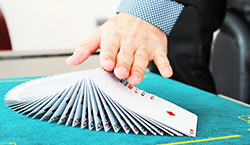
Performers such as magicians, singers, dancers and mascots entertain and help people have fun. While satisfying, this career includes a variety of risks. As a performer, you must know the risks you face and the appropriate safety measures as well as insurance options that protect you, your audience and your business. For an overview of common policy options, see the Performers and Entertainers Insurance Guide.
Performer Risks and Safety Measures
Body Strain - Back, leg or vocal strain are common injuries reported by performers. The frequency of performances can cause new injuries or aggravate old ones.
When performing, stand on cushioned surfaces, avoid quick turns and adjust your routine to reduce injury. Rest between shows, too.
Electric Shock or Electrocution - Exposed wires, faulty plugs or wet electronic devices can cause electric shock or electrocution during rehearsals or performances.
Inspect all microphones, amplifiers and other equipment carefully and often. Store liquid away from your electric equipment at all times.
Falling Objects - Props, scaffolding, backdrops, tables and other objects used for performing can fall and injure a performer or the audience.
Secure everything properly on stage. Test all props before your performance to ensure they're in proper working order.
Falling Off Equipment - Whether you ride a unicycle, walk up and down stairs or dance, you face the danger of falling off your equipment.
Be aware of your surroundings at all times. When performing on a new stage, practice first and make adjustments to your routine, particularly if the stage is smaller than your normal performance area.
Overheating - Performing under hot lights or in a costume can cause overheating. You may feel faint, get sick or suffer heat stroke.
Stay hydrated before, during and after the show. When possible, wear your costume only as long as necessary. If the venue is improperly ventilated or not air conditioned, place fans around the stage so you stay cool.
Tripping or Falling - Microphone wires, loose cords, performance props, costumes and other objects pose tripping or falling risks.
Keep your performance area and all walkways neat and tidy; pick up wands, juggling balls and other objects immediately. Secure cables and cords to the floor, and store boxes or bags neatly off stage.
If you perform as a clown or work with balloon animals, face painting or character appearances, consider specialized coverage; see Clown Insurance for Performers for options that address those specific exposures.
Protect Yourself with Performer Insurance
Although you take safety precautions to prevent common performer risks, accidents happen. Purchase performer insurance. A commercial general liability policy can pay for injuries, damages and legal liabilities you may face as you perform, helping protect you, your audience and your business.
For broader event and equipment coverage options, review Entertainers insurance and other entertainment-specific policies. To get quotes and discuss which coverages fit your needs, talk to an agent.
Frequently Asked Questions
What types of injuries does performer liability insurance typically cover?
Policies commonly cover third‑party bodily injury and property damage claims that occur during a performance, such as audience injuries from falling props.
Does performer insurance cover damage to my props or equipment?
Standard general liability usually does not cover your own equipment; you may need equipment or inland marine coverage for props and instruments.
Do I need insurance if I perform at private parties?
Yes. Even small private events can create liability exposures, and many venues require proof of insurance before booking performers.
How can I lower my risk of claims as a performer?
Follow safety best practices, inspect equipment before shows, secure props and cables, document rehearsals, and limit performance time when overheating risk exists.