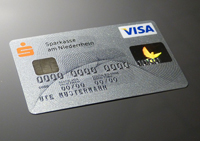
Credit cards are used by millions of consumers every day, and your small business likely accepts them in-store or online.
New chip-based (EMV) cards—named for Europay, MasterCard and Visa—offer security benefits you should understand as you decide whether to upgrade your card reader.
Types of chip-based cards
- Chip-and-PIN cards require two interactions before a transaction completes: the card is inserted or swiped and the user enters a PIN, making stolen cards harder to misuse without the PIN.
- Contactless RFID cards transmit data by radio and do not require a swipe or PIN; they are convenient but can be read by nearby RFID scanners unless the cardholder uses a protective sleeve or foil.
Shift in responsibility for fraudulent charges
Because many cards are now chip-enabled, card networks and processors encourage merchants to upgrade terminals that accept EMV cards.
If you continue to accept non-chip transactions while most other merchants have upgraded, your business may face greater liability for fraudulent charges and a higher theft risk; your payment processor can help with upgrades and related coverage details, for example see Merchant Processing Insurance.
Upgrade all your credit card readers
If you accept payments only at a physical terminal, your processor can supply or recommend EMV-capable machines, helping you reduce fraud exposure.
If you accept payments on a phone or tablet, request an EMV-capable mobile reader and follow best practices for securing mobile payments; businesses that handle payments on mobile devices may also want to review insurance considerations like Data Processing Schools Insurance.
If your business operates a storefront—whether a boutique or a small shop—you should plan terminal upgrades and risk management; see industry-specific resources such as Greeting Cards Insurance for examples of retail considerations.
Online and phone payments
If you do not accept physical cards and use phone or ecommerce payments only, you do not need a chip reader, but you should strengthen online and call-center security because card numbers transmitted over those channels remain attractive targets for thieves.
Upgrade payment security, use tokenization or PCI-compliant processors, and keep systems patched to protect customers and your business.
Because chip-based cards are becoming the standard, upgrading payment terminals reduces fraud risk and potential liability; when you need a quote or want to review options, talk to your agent.
Frequently Asked Questions
How do chip cards reduce fraud?
Chip cards generate unique transaction data that is difficult to clone, which reduces counterfeit card fraud compared with magnetic-stripe cards.
Do I need to replace all my card readers at once?
You can phase in upgrades, but delaying increases your risk and potential liability for fraudulent transactions.
Are contactless (RFID) cards safe?
Contactless cards are convenient but can be skimmed without protection; users can limit risk with RFID sleeves and merchants should monitor for unusual activity.
What if I only take payments online or by phone?
While you don't need a chip reader, you should strengthen online payment security, use PCI-compliant processors, and consider additional safeguards like tokenization.