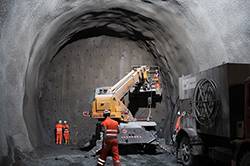
The construction industry employs millions of people on job sites across the United States. While the fatal injury rate is high for this industry, you can understand construction site dangers and steps that protect yourself, co-workers and pedestrians.
Fall Protection
- Use guardrails, safety nets, restraint systems and fall arrest systems.
- Stand on an elevated platform or aerial lift.
- Secure all scaffolding.
- Inspect lifts regularly.
- Clean debris, liquid and dirt off all ladders, lifts or scaffolding.
- Observe maximum weight limits on ladders, lifts or scaffolding.
Most construction site fatalities occur from falls. Unstable work surfaces and failure to use protective equipment contribute to this construction site danger.
For information about insurance tied to scaffolding risks, see Scaffolding Risks Insurance.
Cranes
The majority of crane accidents happen when the boom or load line connects with an overhead power line. Other dangers include getting struck by the crane or caught in its swing radius.
The crane should always be inspected before use. Only a qualified, experienced operator should run it, taking care to lift the recommended weight and watch for overhead wires. Never stand under the load, either.
For businesses that perform rigging or scaffolding services, consider information about Rigging and Scaffolding Service Insurance to understand coverage options related to these exposures.
Chemicals
Random chemicals around the construction site can cause burns, fires, explosions and respiratory problems.
Secure all chemicals safely. Maintain a Material Safety Data Sheet on all chemicals, and ensure all employees know where the MSDS are stored and how to read them. Train employees on the risks and proper use of those chemicals, too. They should also use protective gear and know how to access and use the spill kit.
Bodily Protection
Injuries to your head and unprotected eyes, face, hands and feet can cause disability or death.
Wear protective gear at all times, including safety glasses, gloves and steel-toed, non-slip shoes. Remember to wear a hard hat and watch out for falling or fixed objects. You should also use caution when operating power tools.
Repetitive Motion
Operating the same tools over time or standing in one position all day can cause repetitive motion injuries and strains.
Take frequent breaks to protect yourself. Use proper posture or change positions frequently, too. You can also use less force as you do your job.
Electrical Safety
Any time you work around electrical tools or electricity, you're in danger of electrocution.
Never bypass any device that protects you from electrical energy or climb near exposed wires. Always shut off the power before working on electrical circuits, too. Properly ground power tools, and inspect the cord for damage. If you use an extension cord, it should be certified for hard service.
Construction is a dangerous but important profession. Take these safety precautions as you prevent six construction site dangers.
Frequently Asked Questions
What is the most common cause of fatal injuries on construction sites?
Falls are the most common cause of fatal injuries, often resulting from unstable surfaces or lack of fall protection.
How should chemicals be managed on a construction site?
Chemicals should be stored securely, accompanied by Material Safety Data Sheets, and employees must be trained on handling and spill response.
When should scaffolding be inspected?
Scaffolding should be inspected before each use and regularly maintained to ensure stability and safety.