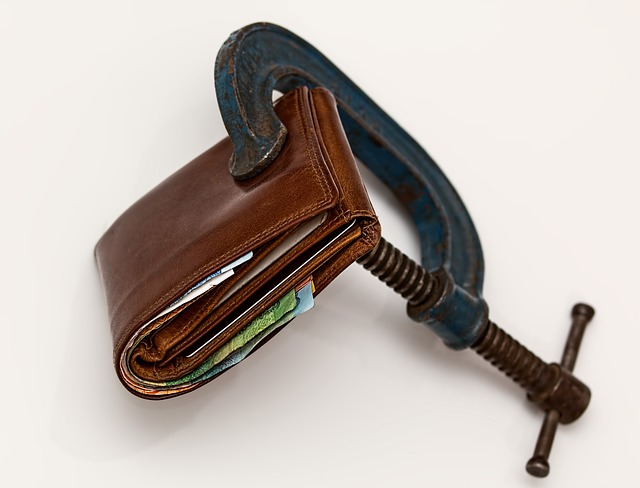
Everyone faces emergencies sometimes. Maybe a large home repair, job loss or another unexpected expense has made you miss a life insurance payment. The consequences of skipping a life insurance payment depend on the policy type, coverage, and the policy’s terms. Here are practical steps you can take if you can’t pay your premiums.
Non-Payment of Term Life Insurance
When you purchased a term life insurance policy, you chose a payment frequency. If you miss a payment, most term policies include a grace period (commonly 30 days) during which the death benefit remains in force and will be paid to your beneficiary if you die.
If you pay the missed premium during the grace period, your policy continues without interruption. If you don’t pay within the grace period, the policy is typically cancelled. If you paid premiums on a semiannual or annual basis, contact the insurer to request a refund for any unused portion you already paid.
You can usually ask the company to reinstate a cancelled term policy within a limited time (often up to five years). Reinstatement commonly requires submitting a new application, completing any required health exams, and paying past due premiums before coverage resumes.
Purchase a new policy if reinstatement isn’t practical. Even if one policy lapsed, shop around for another policy that may be cheaper, such as Simplified Issue Life Insurance.
Non-Payment of Permanent Life Insurance
If you can’t pay the premium on a permanent life insurance policy, one option is to surrender the policy and receive any accrued cash value. If the payout exceeds the total premiums you paid, you may owe income tax on the gain, and the policy will end.
Another option is to reduce the policy’s death benefit and use accumulated cash value to maintain coverage at a lower level. You would remain insured, although for a smaller benefit and possibly with reduced cash value.
Your agent can often help convert a permanent policy into an extended term policy for a period based on the cash value that has accrued. You can also discuss alternatives such as Split-Dollar Life Insurance arrangements if they are relevant to your situation.
Ask your insurer whether your lapsed permanent policy can be reinstated; rules and time limits vary by company and by policy.
When you find yourself falling behind on life insurance payments, contact your insurance agent immediately. Share your situation and ask your agent about options such as reduced coverage, using cash value, reinstatement, or choosing a different policy to maintain protection for your loved ones.
Frequently Asked Questions
What happens if I miss a payment on a term life policy?
Most term policies have a grace period (commonly 30 days) during which coverage stays in force; if you don’t pay by the end of the grace period the policy is usually cancelled.
Can a lapsed life insurance policy be reinstated?
Often yes, within a limited time and usually after completing a new application, paying past due premiums, and meeting any health requirements.
If I surrender a permanent policy, will I owe taxes?
You may owe income tax if the cash surrender value you receive exceeds the total premiums you have paid into the policy.
When should I contact my insurer if I’m behind on payments?
Contact your insurer or agent as soon as you anticipate difficulty paying so you can learn about grace periods, reinstatement, reduced coverage, or other relief options.