Overview
Remodeling contractors transform houses into homes, but the work also brings hazards, delays and exposures that can lead to claims. This guide explains practical steps contractors can take to reduce risk on job sites and protect their business operations.
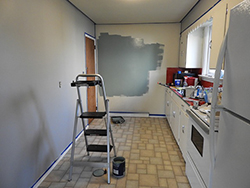
Tips range from site housekeeping to insurance choices and client communication. Following a consistent approach helps prevent injuries, property damage and disputes that interrupt schedules and increase costs.
Key takeaways
- Carry appropriate insurance and understand policy limits for remodeling work.
- Maintain a clean, secure job site to lower injury and theft risks.
- Use help for heavy or technical tasks and document schedules and payments.
How it works
Risk management for contractors is a mix of prevention, documentation and financial protection. Preventive measures include workplace controls, safe procedures and clear client boundaries.
Documentation—like signed contracts, change orders, photographs and daily logs—creates an evidence trail if an incident or dispute arises. Financial protection comes from insurance policies tailored to contracting exposures.
For coverage options that apply to trade contractors and specialized response work, see Pollution Liability Insurance for Trade Contractors and Emergency Response Contractor Pollution Liability (ER CPL) for examples of niche products.
What it may cover (and what it may not)
Standard contractor-related policies commonly include general liability for third-party injury and property damage, and may cover legal defense costs for covered claims.
Insurance often excludes intentionally harmful acts, contractual liability assumed without proper endorsement, or damages from professional design errors unless you carry specific professional or errors-and-omissions coverage.
Tools left unsecured on site are usually not covered by general liability; equipment can require inland marine or specialized tools-and-equipment coverage. Identity theft or electronic data exposures require separate protections or endorsements.
Common mistakes to avoid
Skipping formal contracts or relying on verbal agreements increases exposure to disputes over scope, timelines and payment. Always document expectations in writing.
Leaving tools unsecured, failing to cordon off hazards, and allowing unnecessary foot traffic through work areas all raise the chance of injury or property damage.
Misclassifying workers as independent contractors or failing to obtain required permits can trigger fines and invalidate portions of coverage; classify and document labor relationships properly.
Questions to ask an agent
What types of liability, property and equipment coverage do I need for typical remodeling projects in my service area?
Ask whether your policies include or exclude coverage for pollution-related claims or emergency response services and whether endorsements are available for specific exposures.
When discussing coverage limits and deductibles, it helps to review recent project types and values so the agent can align limits with likely exposures—if you prefer, you can talk to an agent for a personalized review.
Next steps
Start by inventorying common job-site hazards and reviewing current insurance policies to identify gaps. Implement simple controls like caution tape, tool storage, and daily cleanups.
Use clear contracts with defined timelines, payment terms and change-order procedures to reduce disputes. When a job requires heavy lifting or technical installation, hire appropriately classified help or subcontractors and document agreements.
Regularly review coverage with an insurance professional and update policies when you add new services or take on larger projects.
Frequently Asked Questions
Do I need general liability insurance for small remodeling jobs?
Yes. General liability protects against third-party injury and property damage, which can arise even on small projects.
Can I rely on homeowners’ insurance if something is damaged during work?
No. Homeowners’ policies typically exclude damages caused by contractors, so carrying your own coverage is important.
How should I handle client payments to reduce fraud risk?
Deposit checks promptly, avoid storing credit card information, and use secure payment methods to protect client data.
What simple steps reduce on-site injuries?
Keep the site tidy, mark hazards with caution tape, use spotters for heavy lifts and secure tools when not in use.