Although your workplace is designated for business activities, pets at work can provide many benefits. They lower stress and boost morale and job satisfaction. Before allowing your employees to bring their pets to work, implement a few guidelines to help your new venture succeed.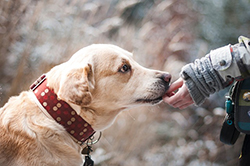
Verify Employee Allergies
Only allow pets after you confirm that none of your employees suffers from a pet allergy or other related condition. Despite the benefits of pets at work, you must first ensure the workplace is safe and healthy for current employees.
Check your Insurance Policy
Even well-behaved pets may feel stress in an unfamiliar environment and act out or have an accident. Verify that your commercial business insurance policy covers damages or liabilities caused by pets; if your business regularly cares for animals, review specialized coverage such as Pet Grooming Insurance for examples of policy options. If you're unsure about coverage limits or exclusions, talk to an agent.
Create an Application
Know details about the pets you’ll welcome at work. The pet application should include information about the pet’s noise tolerance, behavior around other pets and experience with new situations.
Employees should also provide their pet’s medical records with proof that the pet is vaccinated, spayed or neutered, treated for fleas and ticks, and free of contagious illnesses.
Write a Conduct Policy
All pets and their owners should behave properly for everyone’s safety and health. Your pet conduct code can include guidelines for pet behavior, care, supervision and clean up, and the consequences of pet or owner misbehavior.
Designate a Pet Committee
Select several employees to form a pet committee. These individuals will review applications, handle pet-related incidents, collect updated medical records at least annually, and plan pet-friendly activities.
Handle Pet Concerns Promptly
Plan to handle pet concerns as soon as possible to prevent further challenges. These concerns may include questions about the pet policy or behavior issues.
Pet-Proof the Office
Look around the workplace and ensure it’s safe for pets. Remove any hazards like toxic plants and cover cords or other chewing temptations.
You may also create a designated area for pets where they’re welcome to wander and remain safe.
Prepare for Emergencies
Like people, pets can have emergencies at any time. Contract with a local veterinarian you can call with medical or behavior questions or if you need other assistance with your workplace pets.
Add pets to your evacuation procedure so they’re protected during a natural disaster, fire or other emergency.
Consider Alternatives
A pet-friendly workplace may not be feasible for your company. You can still support pets and their owners in several ways, though. Consider pet-friendly days once a month or volunteer as a company at an animal shelter.
If your workplace occasionally hosts animals or needs boarding-related guidance, review resources such as Pet Kennels Insurance to understand potential exposures and precautions.
Pets in the workplace can lighten the mood and improve employee health. Implement these helpful tips as you invite employees to bring their pets to work and protect your company, employees and pets.
Frequently Asked Questions
How do I check if an employee has a pet allergy?
Ask employees to report allergies confidentially during policy planning and consider a medical note if needed; offer alternative seating or remote work to affected staff.
What basic paperwork should owners provide before bringing a pet to work?
Require a completed pet application plus proof of vaccinations, recent vet records, and documentation of spay/neuter or parasite treatment when applicable.
Who handles incidents when a pet misbehaves at the office?
Assign a pet committee or designated manager to review incidents and enforce the conduct policy consistently and promptly.
Should pets be included in emergency evacuation plans?
Yes. Include pet handling in evacuation procedures and record emergency contact and veterinary information for each participating pet.