Safety precautions at your business, including slip and fall prevention, protect employees and visitors. Add these tips to your safety checklist as you prevent slip and fall hazards year round.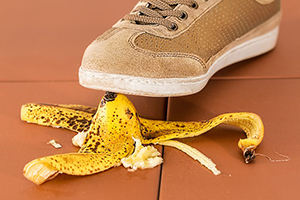
For businesses with specific operations, see Ice Dealers and Wholesalers Insurance and Sidewalk Lift Inspectors Owners and Contractors Protective (OCP) Insurance for specialized coverage information.
Exterior
- Improve drainage. Reduce areas of standing water around the exterior of your property.
- Secure and clean gutters and downspouts. This prevents slippery surfaces on sidewalks, walkways and entrances around the building.
- Fix uneven parking lot surfaces and sidewalks, including potholes, cracks and bumps.
- Paint obstacles like speed bumps with bright paint.
Interior
- Design walkways to accommodate foot traffic. Entrances, hallways and walkways that are too narrow make walking difficult and can cause slips and falls.
- Place absorbent mats at entryways to reduce wet flooring as people enter during wet outdoor conditions.
- Install nonslip flooring. Carpeting, mats and nonslip tread reduce slip and fall hazards, especially in entryways, on stairs or near wet workstations. For larger areas, consider slip-retardant tile or other nonslip flooring options.
- Repair flooring. Inspect the floors regularly and repair or replace torn carpet, loose rugs, missing floor tiles, and other broken, loose or missing floor materials that cause slip and fall hazards.
- Erect handrails. Every ramp, stairway and set of stairs should have sturdy handrails that are securely fastened and meet local building codes.
- Remove obstacles such as ladders, boxes and other items. They clutter walkways and increase the risk of slips and falls.
- Post warning signs. At locations where the types of flooring change, post warnings so employees and guests can prepare for the different texture.
- Secure cords and cables. They should not stretch across walkways or be placed along walls where someone can trip on them.
Lighting
- Maintain adequate lighting. Illuminate stairways, walkways, parking lots, sidewalks, basements, and docking areas.
- Turn lights on when you enter the room.
- Repair broken fixtures as soon as possible.
Clean Up
- Create spill cleanup stations. Store mops, rags and other essential supplies on each floor so you’re prepared to clean up spills right away.
- Clean spills immediately. After thoroughly removing any liquids, place a caution sign at the wet spot until the floor dries completely.
Training
- Remind employees to pay attention. Safety starts with employees who notice where they’re walking and avoid obstacles.
- Encourage hazard reporting. All employees should know how to report potential slip and fall hazards they see around the property.
- Inspect your property regularly. Identify potential slip and fall hazards, and fix them immediately.
These tips can help your business prevent slips and falls. Additionally, talk to your insurance agent. Your general liability policy can cover slips and falls, but your agent can offer tips that help you address hazards and protect your employees and guests.
Frequently Asked Questions
What are the most common causes of slips and falls in businesses?
Common causes include wet or uneven floors, poor lighting, unsecured cords, and cluttered walkways.
How often should I inspect my property for slip-and-fall hazards?
Inspect high-traffic and high-risk areas daily and perform a more thorough inspection weekly or after severe weather.
Are warning signs enough to prevent slips and falls?
Warning signs help, but they should be combined with corrective actions like cleanup, repairs, and improved lighting for effective prevention.
What should employees do if they notice a hazard?
Employees should report the hazard immediately to a supervisor and, if safe to do so, secure the area until it’s fixed.