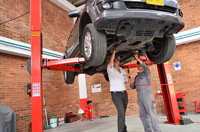
In 2014, 64 million vehicles were recalled. While one in five vehicles on United States roads requires a recall repair, one in four of those vehicles will not be repaired, which affects the safety of everyone on the road. Before you drive your car anywhere, understand car recalls and how they affect you and your vehicle.
What is a Recall?
The National Highway Transportation Safety Administration (NHTSA) requires automobile manufacturers to meet federal safety standards. If a faulty, defective or compromised part is used on a vehicle and it creates a safety risk, the NHTSA or the manufacturer will issue a recall and notify owners that a repair is needed. The manufacturer provides the necessary part to local dealers and affected vehicle owners pay no fees for the repair.
If you have questions about who is responsible after a recall, see What is Recall Liability?
What Parts Could be Recalled?
An average vehicle has thousands of parts that can fail, but a recall is issued only when a defect creates a safety risk. Normal wear and tear—like worn brakes or an old battery—does not qualify for a recall and is your responsibility to repair. Common recall items include:
- Ignition switches
- Airbags
- Steering components
- Fuel components
- Accelerators
- Windshield wipers
- Engine cooling fan blades
- Wiring systems
- Other faulty components
What Should you do if Your Car is Recalled?
Address any recall promptly. Follow the recall directions and schedule an appointment with an authorized dealer as soon as possible.
If the recall affects only a few vehicles, you may get an appointment quickly; large-scale recalls can require waiting weeks or months. Most repairs take a few hours, but if your repair requires several days, ask the dealer if they provide a loaner vehicle.
How do you Find Recalls?
In most cases you'll receive a recall notice by mail from the government or your vehicle's manufacturer. You can also check the NHTSA website or your manufacturer's recall page by entering your vehicle's manufacturer, model and year.
What Should you do if you have a Problem?
Recall repairs are free. If you are charged for a recall repair or have problems getting the repair completed, contact the NHTSA for assistance.
Recalls protect you and other drivers by making vehicles safer. If you handle vehicle parts or supplies and need coverage related to recalls, learn about Recall Products Insurance. If you're unsure about your insurance coverage, talk to an agent for guidance.
Frequently Asked Questions
How will I be notified if my vehicle is recalled?
Manufacturers and the NHTSA typically send recall notices by mail to the address on file and may also post notices on the manufacturer's and NHTSA websites.
Are recall repairs really free?
Yes, manufacturers are required to provide recall repairs at no charge to the vehicle owner when the recall is issued for safety reasons.
Can I keep driving my car after a recall is issued?
It depends on the defect; some recalls are urgent safety issues and you should avoid driving until repaired, while others are less urgent—follow the recall instructions.
How can I check if my vehicle is affected using my VIN?
You can enter your vehicle identification number (VIN) on the NHTSA or manufacturer recall pages to see active recalls that affect your vehicle.