Overview
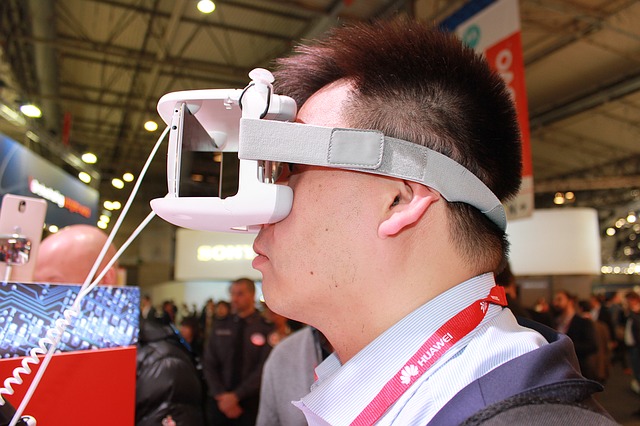
Augmented reality (AR), virtual reality (VR) and wearable devices are changing how we work, shop and communicate. They also introduce new cyber risks that can affect privacy, finances and even physical safety.
For individuals and businesses, the combination of connected headsets, sensors and apps increases the attack surface for hackers and malware.
Businesses that provide devices, apps or public Wi‑Fi need to consider how those services could be used in an incident and whether their current insurance and security practices cover those exposures. Operators of VR experiences may find relevant options such as Virtual Reality Experience and Games Insurance when evaluating their risk transfer.
Key takeaways
- AR/VR and wearables create both data and physical-safety risks that traditional cyber policies may not fully anticipate.
- Liability can extend to places that grant access or services, such as retailers offering public Wi‑Fi.
- Risk control (secure device management, vendor reviews, user education) plus appropriate insurance are both important.
How it works
AR/VR systems combine hardware, software and network services. Sensors and cameras feed data to apps that overlay or replace reality for the user. These components exchange sensitive information, authenticate users, and may control hardware or collect biometric data.
If any element is compromised—an app, a headset firmware, or the network—the attacker can intercept data, manipulate what the user sees, or in rare cases trigger harmful physical responses. Many vulnerabilities are discovered only after they are exploited, which is why proactive security testing and vendor management are important. Consider insurance and services that support security assessments such as Security Audit Insurance alongside technical controls.
What it may cover (and what it may not)
Insurance products vary. Coverage that might respond to AR/VR incidents can include cyber liability for data breaches, equipment coverage for damaged or stolen devices, and general liability for customer injuries related to your premises or services.
Hardware and device-focused incidents may be covered under a physical-equipment policy such as Hardware Insurance, while software faults or breaches could implicate coverages tied to technology and operations like Computer Software and Accessories Insurance.
When your business develops or distributes software, publisher or developer-related exposures could be addressed by policies such as Computer Software Publishers Insurance, though each policy’s terms, limits and exclusions matter. Standard property or general liability policies often exclude cyber-specific harms or fail to address biometric and AR‑specific risks fully.
Common mistakes to avoid
Assuming existing policies automatically cover AR/VR incidents is a frequent error. Many policies predate these technologies and have exclusions for software defects, cyber events or bodily injury caused by electronic interference.
Another mistake is neglecting basic security hygiene: failing to patch devices, not segmenting networks, and not encrypting sensitive data can all increase exposure.
Finally, not documenting vendor responsibilities or failing to obtain appropriate indemnities from suppliers leaves gaps in recovery and liability allocation.
Questions to ask an agent
Ask what specific coverages respond to data breaches, device failures, and third-party claims arising from AR/VR products or services. Request examples of exclusions and sublimits that may apply to biometric or bodily-injury claims.
Discuss incident response support included with policies and whether forensic, legal and notification costs are covered. If your operations rely on third-party platforms or vendors, ask how vendor failures are treated under the policy.
If you want an immediate next step, you can ask an agent for a policy review tailored to AR/VR exposures.
Next steps
Start by mapping where AR/VR technology is used in your organization and identify the data flows and critical hardware. Evaluate vendors for security standards and contractual risk transfers.
Implement basic technical controls: device hardening, strong authentication, network segmentation and regular patching. Combine these controls with user training about safe device use and reporting suspicious behavior.
Finally, review insurance programs with your broker or agent to confirm whether existing coverages respond to foreseeable AR/VR risks and to close identified gaps through endorsements or specialized policies. You may also consider broader industry programs such as the Preferred Technology Industry Program as part of that review.
Frequently Asked Questions
Can traditional cyber insurance cover AR/VR breaches?
Some traditional cyber policies may respond to data breaches involving AR/VR systems, but coverage varies and many policies exclude certain technology-related losses; review your policy language carefully.
Could a hacked wearable create a liability for my business?
Yes—if a device provided or enabled by your business is compromised and causes harm, customers or employees could bring claims against you depending on circumstances and contractual terms.
What steps reduce AR/VR security risk?
Use secure device configuration, enforce strong authentication, segment networks, perform vendor security reviews, and run regular security testing.
When should I notify an insurer after an AR/VR incident?
Notify your insurer promptly once you suspect a breach or incident, following policy reporting requirements to preserve coverage and access incident-response resources.