Overview
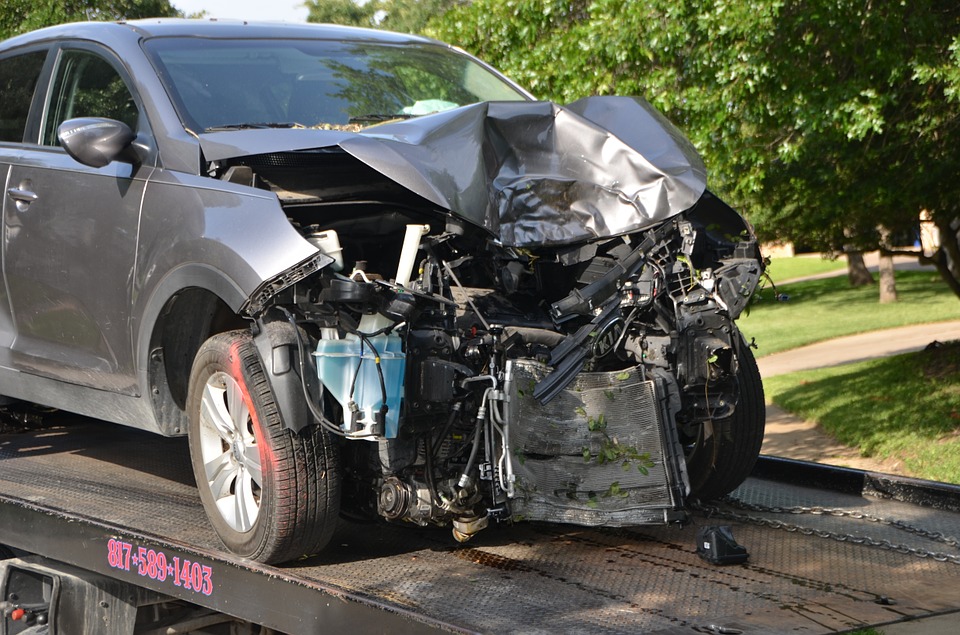 If your car is damaged in an accident, your insurer may declare it a total loss when repair costs approach or exceed the vehicle’s pre-accident value. A total-loss determination affects how you are paid, what happens to the vehicle, and whether you can keep it. This guide explains the steps to take and options you can consider after a vehicle is totaled.
Key takeaways
- Your insurer typically pays the vehicle’s actual cash value (minus your deductible) if it declares a total loss.
- You can often retain the vehicle, but the insurer will deduct salvage value and the car must pass inspection to be insured again.
- If you disagree with the valuation, get an independent appraisal and consider state insurance consumer resources before pursuing legal action.
How it works
An insurer compares estimated repair costs, towing or rental costs, and the vehicle’s pre-accident cash value to decide whether repairs are economically reasonable. Companies use a total-loss threshold (for example, a stated percentage of the car’s value) to guide that decision, but methods vary by insurer and state.
If a total-loss is declared, the company issues a settlement for the vehicle’s actual cash value minus any deductible and may take the vehicle to salvage or auction it. The insurer typically retains any salvage proceeds unless you arrange to keep the car.
What it may cover (and what it may not)
Insurance settlements for totaled vehicles commonly cover the vehicle’s cash value, minus the deductible. Some policies may also include reimbursement for towing and temporary transportation, depending on the coverages you elected.
Check your policy for specific provisions such as salvage retention, gap coverage (for loan or lease payoffs), and loss-of-use or rental reimbursement. If you need help understanding coverages related to towing or temporary transportation, see Towing and Loss of Use (Auto Insurance).
If you plan to repair or restore a vehicle that was declared a total loss, examine options and specialized coverages such as Auto Restoration Insurance before committing to out-of-pocket repairs, or review Vehicle Restoration Insurance for related policies.
For matters that involve transporting a vehicle after an incident—such as moving a restored car or handling salvage—see Auto Transport Insurance (Cargo & Liability) for coverage considerations.
Common mistakes to avoid
Assuming the insurer’s first offer is final: insurers use valuation tools and comparable listings; you can provide documentation of higher pre-accident condition or recent upgrades.
Failing to act quickly if you want the vehicle: ask to retain the car as soon as possible and confirm the salvage value deduction, because once a vehicle is moved to salvage it can be difficult to recover.
Overlooking inspection requirements: a retained or repaired totaled vehicle typically must pass a vehicle inspection and be re-titled or branded per state rules before it can be insured or driven legally.
Questions to ask an agent
What figures were used to determine my vehicle’s actual cash value and which comparable sales were referenced?
Does my policy include rental reimbursement, towing, gap coverage, or other benefits that affect this settlement?
If I keep the vehicle, what salvage value will be deducted and what inspections or repairs are required for re-titling and insuring it?
Next steps
Document the vehicle’s pre-accident condition with photos, service records, receipts for recent work or upgrades, and comparable local listings to support a higher valuation if warranted.
Consider hiring an independent appraiser if you dispute the insurer’s value and contact your state department of insurance to learn about mediation options before pursuing arbitration or litigation.
If you need clarification on coverages or want a customized quote, talk to an agent.
Frequently Asked Questions
What does "actual cash value" mean?
Actual cash value is generally the vehicle’s market value just before the loss, accounting for age, mileage, condition, and local comparable sales.
Can I keep my car after it is totaled?
Often yes, but you must notify the insurer promptly, accept a reduced settlement reflecting salvage value, and meet inspection and titling requirements to insure it again.
How can I dispute the insurer’s valuation?
Obtain an independent appraisal, provide supporting documentation of condition or upgrades, and use your state insurance department’s consumer services if you cannot agree with the insurer.
Will the insurer pay for a rental car while my claim is processed?
Only if your policy includes rental reimbursement or if the insurer’s settlement calculation explicitly includes temporary transportation; check your policy details.