Overview
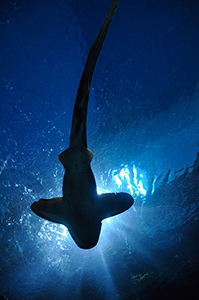 Aquarium insurance varies by the size of the collection, the species kept, and the public exposure of the display. A small private tank used at home has different risks than a public marine exhibit or a collector of high‑value exotic fish. For a general comparison of policies for exhibits and facilities, see Aquarium & Zoo Insurance Overview.
Key takeaways
- Coverage needs depend on whether the tank is private, commercial, or houses regulated marine life.
- Standard liability and property policies may not cover high‑value or exotic animals.
- Specialty or zoo-style policies add animal coverage, crisis response, and higher limits for business risks.
How it works
Insurance for aquariums is built from modules that address property, liability, and animal-specific risks. A basic homeowner or renter policy may include liability for a small, private tank but will often exclude commercial operations and exotic species.
Commercial exhibits typically need a broader package: general liability, property, business interruption, and sometimes dedicated animal mortality or mortality-and-theft coverage. For details on liability tailored to commercial displays, review General Liability Insurance for Commercial Aquariums.
What it may cover (and what it may not)
- Possible coverage:
- Liability for visitor injury (slips, cuts from broken tanks).
- Property damage to the tank and equipment from accidents or certain perils.
- Water damage to surrounding property if a tank fails.
- Business interruption for commercial exhibits with appropriate endorsements.
- Special animal mortality or survival coverage for high‑value specimens (when purchased).
- Often excluded or limited:
- Damage caused by poor maintenance or neglect.
- Coverage for certain exotic or regulated species without a specialty policy.
- Routine disease, breeding losses, or gradual deterioration of equipment without specific endorsements.
Common mistakes to avoid
- Assuming a basic policy covers all animals and commercial exposures.
- Underinsuring the tank, filtration, and life‑support systems that can be costly to repair or replace.
- Not documenting the value and provenance of exotic or high‑value specimens before a loss.
- Failing to verify whether crisis response and evacuation coverage are included for public exhibits.
Questions to ask an agent
- Does my policy cover animal mortality, theft, and transport for the species in my care?
- Are water damage and secondary property damage covered if a tank ruptures?
- What endorsements are needed for public exhibits, event cancellations, or emergency evacuation?
- Are there exclusions for exotic, endangered, or regulated species that require a specialty policy?
- What documentation should I keep to support a high‑value animal claim?
Next steps
Inventory your tank(s), note species and individual values, and list public access or commercial activities. Use that information when you talk to an agent to compare standard, commercial, and specialty options. Consider obtaining written confirmation of covered perils and limits before acquiring high‑value specimens or opening a public exhibit.
Frequently Asked Questions
Will my homeowner policy cover a small aquarium?
Many homeowner policies cover basic liability for a small private tank, but coverage for the animals and water damage may be limited or excluded.
Do public aquariums need different insurance than private collectors?
Yes; public exhibits usually require commercial packages and zoo-style policies that include broader liability and crisis response coverage.
Can I insure a single high‑value exotic fish?
Specialty insurers offer high‑value animal policies for rare or expensive specimens, but these are separate from typical auto or home insurers.
What should I document to support a claim for an exotic animal?
Keep purchase receipts, health records, species identification, and recent appraisals to substantiate value and provenance.