In an RV, you and your family can see the state or travel across the country. Because RVs are expensive, consider renting one this summer. Here’s what you need to know before your trip.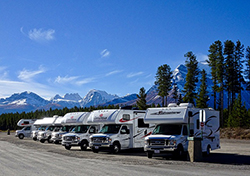
Decide Which RV to Rent
Dozens of RV models exist, so do your homework to determine which type is right for your trip. Keep comfort, privacy and budget in mind as you compare options.
- Class A - up to 45 feet in length, look and drive like a bus, spacious, amenities like a kitchen, entertainment center and air conditioning.
- Class C - up to 30 feet in length, built on a truck chassis with beds on top of the driving area, include kitchen, washroom and shower.
- Class B - under 25 feet, converted vans, fit up to two to four people comfortably with amenities.
- Travel trailers - between nine and 43 feet, towable, may feature dozens of amenities including fireplaces and office space.
- Fifth wheel - 25 to 40 feet, towable, spacious and loaded with luxuries.
Plan Your Trip
Decide where you want to travel and how long you will be on the road. A smaller RV may be fine for short trips, while a larger RV will make a cross‑country trip with extended family more comfortable.
Choose a Rental Agency
You can rent an RV from a large chain dealership, a small rental business or a private owner. A chain dealership can be convenient if you plan to drive to the destination and fly home, while peer‑to‑peer rentals sometimes offer lower rates or more flexible pickup locations.
Know the Cost
The cost of an RV rental depends on when and where you travel, the RV class and additional fees. Always ask the rental agency for a full pricing breakdown, including mileage caps, generator-hour limits and extra charges for pets or additional drivers.
You may also want to explore specialized insurance or risk programs when budgeting; for example, see Rent-a-Captive (Captive Insurance Program).
Purchase Insurance
Prepare to purchase insurance for your RV, including liability coverage. Contact your personal auto insurance company to ask about temporary binders or supplemental policies, and compare RV-specific options such as RV Toters Insurance to see what fits your trip.
If you need a quick cost estimate or want to review coverage options, talk to an agent.
Take a Test Drive
Before you drive the RV off the lot, walk around and through it to learn how the systems operate. Test the slide‑outs, run appliances, and take the vehicle for a short test drive to ensure you are comfortable handling its size and controls.
This season, renting an RV can be a convenient way to enjoy a family vacation without the cost of ownership. Use these tips to choose the right RV for your needs and to have a safe, enjoyable trip.
Frequently Asked Questions
Do I need a special license to drive an RV?
Most standard drivers' licenses allow you to operate common RVs, but very large Class A units or vehicles over state weight limits may require a commercial or special license in some places.
How does insurance for a rental RV usually work?
Rental agencies typically require liability coverage and offer additional protection plans; you can also check whether your personal auto policy or a short-term binder will cover a rented RV.
What should I inspect before accepting the RV?
Check tires, brakes, lights, appliances, slide‑outs and seals; document existing damage with photos and confirm how to operate safety equipment and the generator.
Can I tow a car behind a rented RV?
Towing rules vary by rental agreement and vehicle capability—confirm with the rental agency and ensure your trailer hitch and tow setup are rated for the load.