Overview
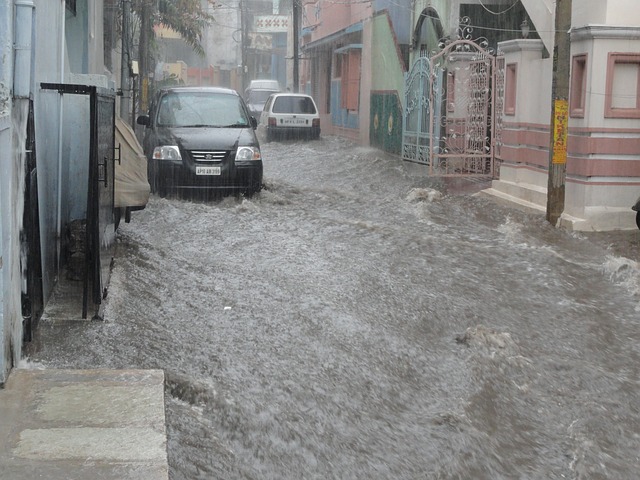
Flooding and heavy rain create serious risks for drivers and vehicles. Many flood-related deaths involve cars that become trapped, swept away, or submerged. Simple precautions and awareness can significantly reduce danger and limit damage to your vehicle.
This article summarizes safety steps to take if you encounter high water, explains how auto coverage typically applies, and points to resources where you can learn more about flood-related insurance options.
Key takeaways
- Never drive into standing or moving water; one foot of water can float many vehicles.
- Comprehensive insurance commonly covers flood damage; collision covers crashes during a storm.
- If your car stalls in rising water, exit immediately when it is safe to do so.
How it works
Flood events pose two separate problems: immediate physical danger to people and potential financial loss for vehicle owners. Safety actions focus on protecting life first—avoid driving into flooded areas and seek higher ground when necessary.
On the insurance side, vehicle damage from natural events is usually handled through coverage types that address how the damage occurred. Understanding which portion of your policy applies will help when you file a claim after a flood or storm-related collision.
What it may cover (and what it may not)
Comprehensive coverage commonly pays to repair or replace a car that has been damaged by natural events, including flooding, up to the vehicle’s actual cash value. Collision coverage may apply when you hydroplane, hit an object, or roll during heavy rain.
For an overview of flood-related risks and why coverage matters before storms, see Flood Insurance and Safety: Why You Need Coverage Before Storms.
Some specialized policies or endorsements address multiple perils together. For example, combined earthquake and flood offerings can be relevant in areas prone to both hazards; learn more about those combinations at Earthquake and Flood Insurance.
Keep in mind that standard auto policies typically do not cover loss of personal items inside the vehicle unless specific provisions exist, and wear-and-tear or preexisting mechanical issues are generally excluded.
Common mistakes to avoid
- Underestimating water depth — never assume a road is safe because you can see dry pavement ahead.
- Waiting inside a stalled vehicle in rising water instead of getting out when it is safe to do so.
- Failing to document damage after a flood — photos and notes taken promptly make claims smoother.
Questions to ask an agent
Does my current auto policy include comprehensive coverage that protects against flood damage?
Are there policy endorsements or separate products recommended for my area that address flood or combined perils?
What documentation will the insurer require if my vehicle is damaged during a storm, and are there time limits for reporting the claim?
Next steps
If you live or drive in areas where heavy rain and flash floods are possible, review your coverage now and update it if needed. Check policy declarations for comprehensive and collision limits and note any exclusions.
When you have specific questions or want help comparing options, you can talk to an agent who can explain how your current policy would respond and what changes would add protection.
Finally, prepare an emergency kit for your vehicle and practice situational awareness during storms: avoid underpasses, obey road closure signs, and turn around rather than attempting to cross flooded roadways.
Frequently Asked Questions
Can my auto insurance pay to replace a car damaged by floodwater?
Yes—if you have comprehensive coverage, it typically pays to repair or replace a car damaged by flooding up to the vehicle’s actual cash value, minus any deductible.
Will collision coverage pay if I hydroplane and hit a tree during a storm?
Collision coverage generally applies to repairs when your vehicle collides with another object or rolls over, including incidents that occur while hydroplaning.
What should I do immediately after my car is flooded?
Prioritize safety, document the damage with photos, contact your insurer promptly, and avoid starting the vehicle to prevent further mechanical damage.
Is roadside assistance helpful during flood conditions?
Roadside assistance can help with tows and jump-starts, but it may not be able to operate in dangerous flood conditions; do not rely on it for swift-water rescues.